
There’s something undeniably magical about a crackling fire in a fireplace, isn't there? As the days grow shorter and the air turns crisp, the allure of a glowing hearth becomes irresistible. It's not just about the cozy warmth that chases away the chill; it's the very soul of comfort, drawing families and friends together. A fireplace transforms a house into a home, offering a natural focal point for relaxation, storytelling, and perhaps even a quiet evening with a good book and a mug of hot cocoa. The dancing flames provide a mesmerizing visual spectacle, a soothing soundtrack of pops and crackles, and an ambiance that no digital screen can replicate.
Beyond the sheer enjoyment, fireplaces serve a wonderful purpose in everyday life. They can supplement your heating, potentially saving on energy bills, and provide a reliable source of heat during power outages. They're a traditional anchor in many living spaces, used for everything from simple aesthetic pleasure to serious home heating with wood-burning stoves and inserts. Whether it's an old-fashioned open hearth or a modern gas fireplace, the principle remains: providing a comforting glow and warmth that makes any space feel more inviting.
Now, let's address the elephant in the chimney: the burning question of carbon monoxide. Can you get carbon monoxide from a fireplace? The short answer is: yes, carbon monoxide (CO) is a byproduct of incomplete combustion, and anytime you burn fuel (like wood in a fireplace), CO is produced. However, before you start eyeing your beautiful hearth with suspicion, here's the crucial clarification: a properly installed and maintained fireplace is designed to vent this hazardous gas safely out of your home.
Think of it this way: your fireplace isn't a villain, it's a trusty servant that needs a little care. The primary job of your chimney and flue is to create a draft that pulls smoke, soot, and yes, carbon monoxide, up and out into the open air. Problems arise when this system is compromised. Blockages from creosote buildup, animal nests, or even a closed damper can prevent proper ventilation, causing exhaust gases to back up into your living space. That’s when the invisible killer, as CO is often called, becomes a very real threat. Carbon monoxide is odorless, colorless, and tasteless, making it incredibly dangerous.
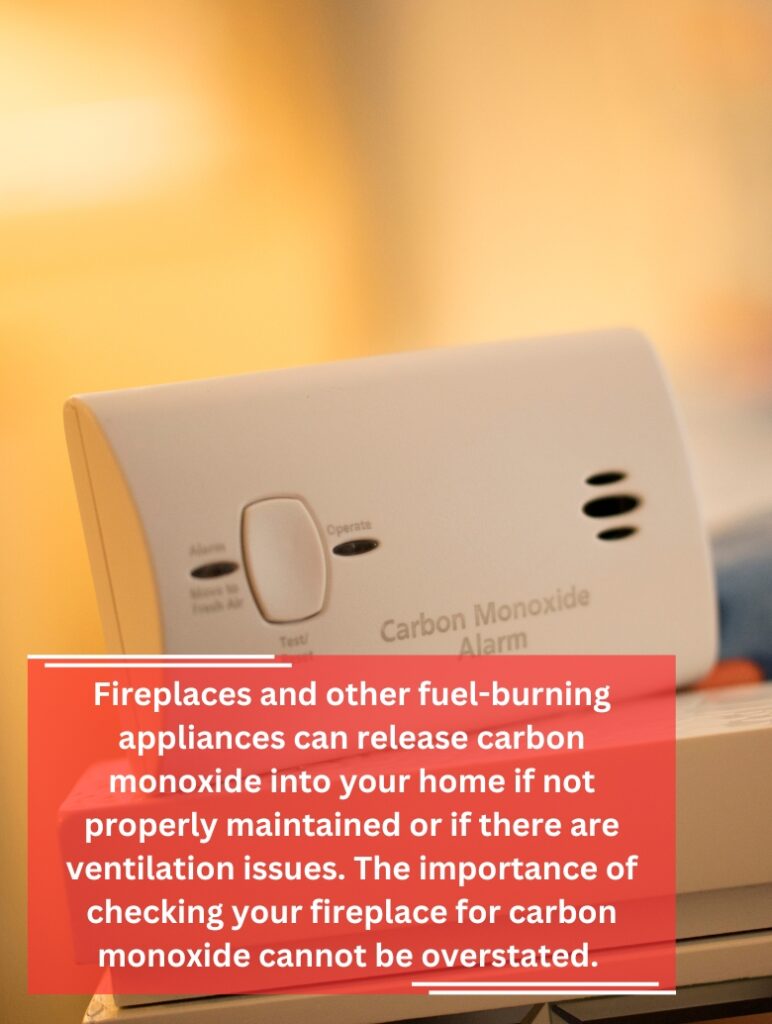
So, how can you enjoy your fireplace effectively and, more importantly, safely? Here are some practical tips:
- Get it Inspected Annually: Hire a certified chimney sweep to inspect and clean your chimney every year. They'll ensure there are no blockages and that your flue and damper are working correctly.
- Ensure Good Ventilation: Always make sure your damper is fully open before lighting a fire and keep it open until the embers are completely out. Also, cracking a window slightly can help provide a sufficient air supply for proper combustion and drafting.
- Burn Dry, Seasoned Wood: Wet or unseasoned wood creates more smoke and creosote, leading to poorer combustion and a higher risk of chimney fires and blockages.
- Install Carbon Monoxide Detectors: This is non-negotiable! Place carbon monoxide detectors on every level of your home, especially near sleeping areas. Test them regularly.
- Never Leave a Fire Unattended: Always supervise a burning fire, and make sure it’s completely out before you go to bed or leave the house.
By following these steps, you can confidently bask in the warm, comforting glow of your fireplace, enjoying its many benefits without a worry. It's all about being informed and taking simple, preventative measures to ensure your cozy haven remains a safe one.