
Okay, picture this: I was once housesitting for a friend, a lovely old place with more character than structural integrity, bless its heart. One night, around 3 AM, I was jolted awake by this piercing, insistent BEEP-BEEP-BEEP! My heart practically leapt out of my chest. My first thought? Fire! My second thought? Oh god, where's the cat? Turns out, it was just their carbon monoxide detector, having a bit of a moment because its battery was low. False alarm, thankfully, but that little episode left me pondering the silent killer and how utterly vital those noisy little gadgets are.
Fast forward a few weeks, I was planning a road trip where we'd be staying in some quirky Airbnbs and even a slightly vintage camper van. My brain, still scarred by the 3 AM alarm, immediately went, "Hey, maybe I should just bring a CO detector with me?" And then, a truly profound question struck me: Can you even fly with one of those things? You know, if I decided to take it on a plane to my next adventure? It sounds like a silly question, right? But with all the TSA rules and regulations, you never really know what unexpected item might raise an eyebrow. So, I dug a little deeper, and trust me, it’s not as straightforward as you might think.
The Burning Question: Are CO Detectors a No-Go?
My initial instinct was, "Of course, you can! It's a safety device!" But then I remembered all those confusing rules about batteries, electronics, and anything that could remotely be mistaken for… well, anything bad. You’ve been there, right? Staring at your carry-on, wondering if that innocent-looking tube of toothpaste is going to be confiscated because it’s 0.1 oz over the limit. It makes you second-guess everything.
So, the question isn’t just about the detector itself, but more about what powers it. Most portable carbon monoxide detectors run on batteries. And batteries, my friends, are where things get a tad complicated when it comes to air travel.
The Nitty-Gritty: TSA, Batteries, and the Great Divide
Let's talk batteries because, honestly, they're the usual suspects for travel restrictions. You’ve got your common alkaline batteries (AA, AAA, 9V), and then you have your lithium-ion batteries, which are often found in rechargeable devices and some smaller, more modern detectors.
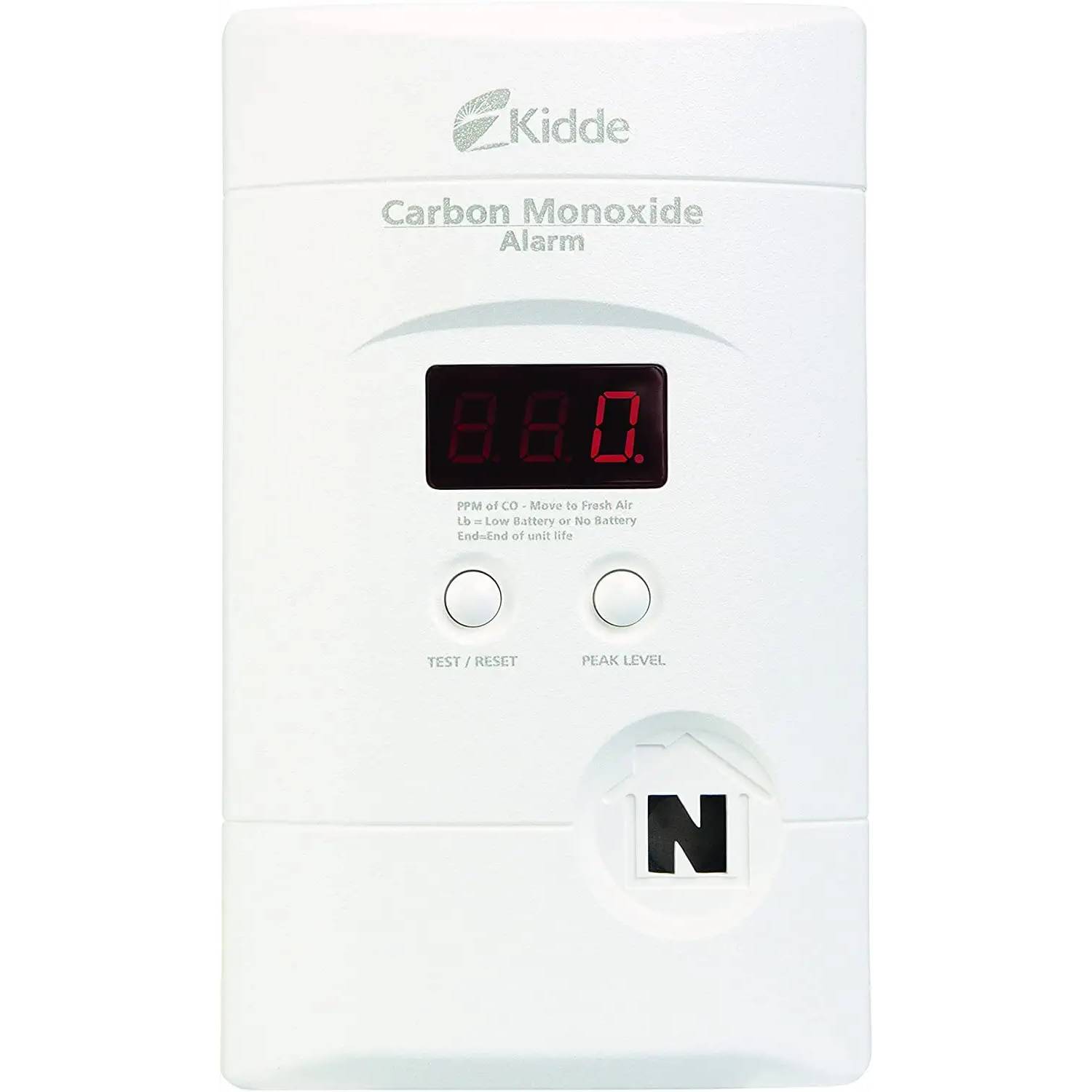
For the most part, alkaline batteries are totally fine. You can pack them in your carry-on or checked luggage without a second thought. Phew! That’s a relief for many of the basic, battery-operated CO detectors out there.
However, when we venture into the world of lithium-ion batteries, things get a bit more specific. These guys have a higher energy density, meaning they could potentially overheat or catch fire if damaged. Because of this, the TSA and FAA have specific rules:
- Loose lithium-ion batteries (like spares for your camera or laptop) generally must go in your carry-on bag.
- Devices containing lithium-ion batteries (like your phone, laptop, or certain CO detectors) are also generally preferred in your carry-on, though they can sometimes be in checked luggage if turned off and properly protected from accidental activation.
Why carry-on for lithium? Because if something does happen, the cabin crew can address it quickly. Makes sense, right? Safety first and all that.
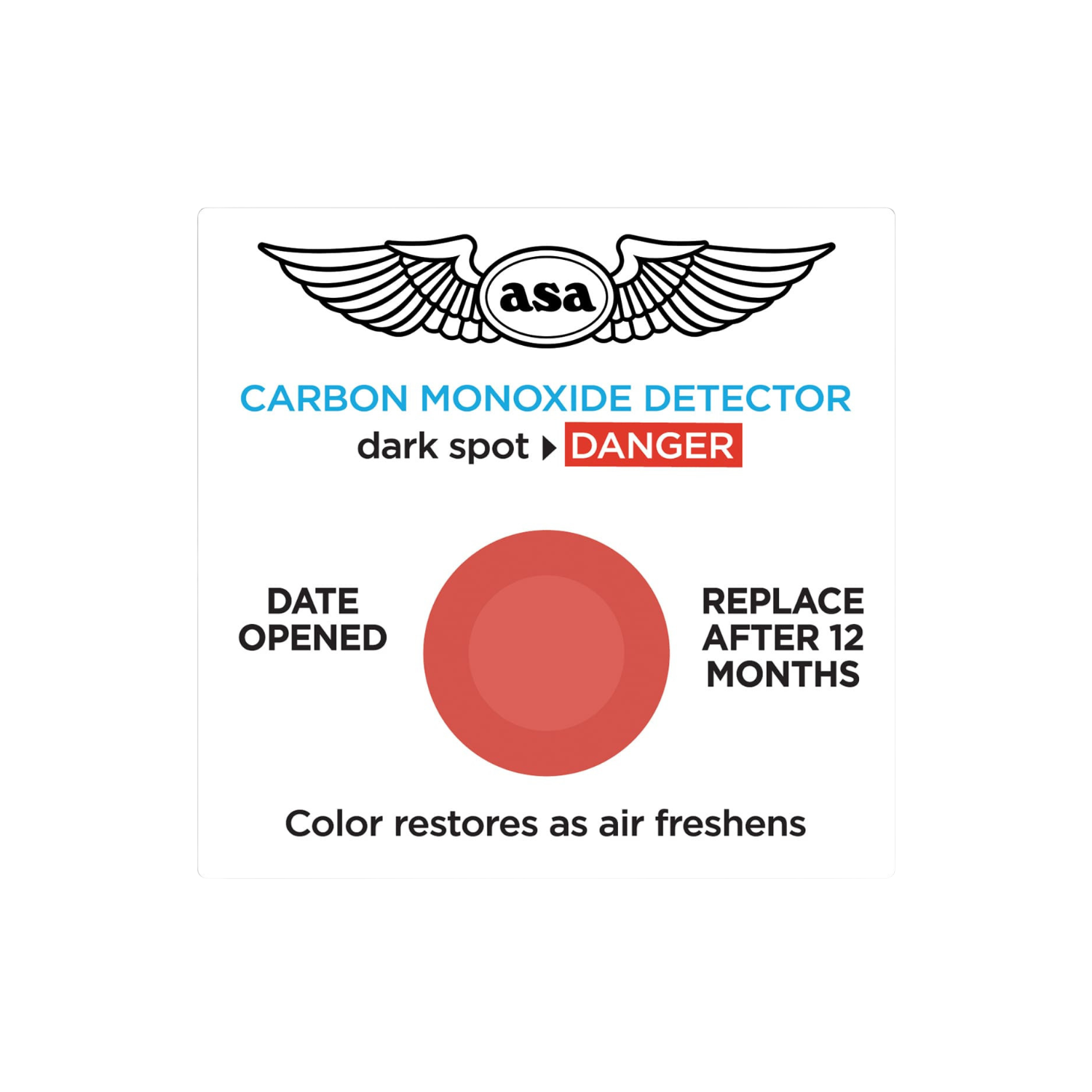
So, Can You Fly with It? The Verdict on CO Detectors
Okay, drumroll please… The short answer is: YES, you absolutely can fly with a carbon monoxide detector! Both in your carry-on and your checked luggage. Generally speaking, they are not considered hazardous materials that would be prohibited.
However, and this is the important bit, you'll want to pay attention to the battery type. If your CO detector uses standard alkaline batteries (like those trusty AAAs), you're golden. Pack it wherever you feel comfortable. If it has a built-in lithium-ion battery or requires specific lithium cells, then carrying it on board with you is usually the safest and most recommended option, following the general rules for other electronics.

Always make sure the device is protected from accidental activation. If it has an on/off switch, turn it off. If it's prone to beeping, you might want to consider removing the batteries (if easily removable) or just making sure it’s securely packed so it doesn’t go off mid-flight, giving everyone a heart attack. Imagine that announcement: "Is there a carbon monoxide detector going off in row 17?" Yikes!
A Few Things to Keep in Mind
Even though the general rule is "go for it," here are a couple of friendly reminders:
- Check Your Airline's Specific Rules: While TSA governs what you can bring through security, individual airlines can sometimes have slightly stricter policies. It's always a good idea to do a quick check on their website if you're feeling extra cautious.
- Battery Protection: If you're packing loose batteries for your detector, keep them in their original packaging, a battery case, or tape over the terminals to prevent short circuits.
- Portable vs. Wired: We're mainly talking about the small, portable, battery-operated kind here, not the ones that plug directly into your wall at home. Just to be clear!
So there you have it! Next time you're packing for that trip, and a little voice in your head says, "Should I bring a CO detector?", you can confidently say, "Yep, I sure can!" It's a small device that offers huge peace of mind, whether you're in a cozy cabin, a slightly dodgy motel, or that funky camper van. Safe travels, everyone, and keep an eye (or an ear) out for those silent threats!