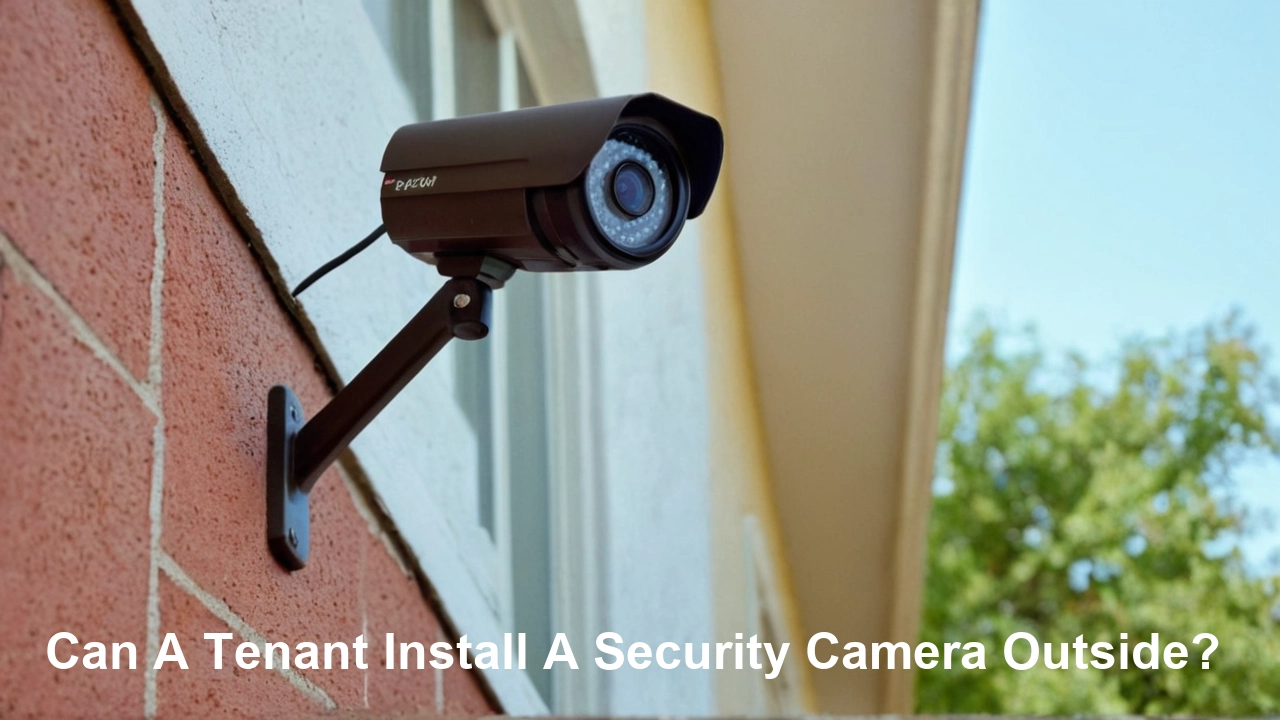
Ever felt that slight chill down your spine, wondering if someone's watching? Not in a spooky movie way, but in the modern, everyday sense of security cameras. With doorbell cams and smart home systems becoming as common as coffee makers, it's only natural to wonder: "Can my landlord put cameras outside my house?" It's a surprisingly popular question, blending our desire for security with our deeply ingrained need for privacy. This isn't about nosy neighbors; it's about your home, your space, and where those digital eyes are allowed to look. Let's dive into this often-asked query with a friendly, easy-to-understand approach, exploring the ins and outs of outdoor cameras in rental properties.
From a landlord's perspective, security cameras can be a real asset. Their primary purpose is often to protect the property and its inhabitants. Think about it: a camera pointed at a shared driveway or front entrance can deter package thieves, discourage vandalism, or even provide crucial evidence in the event of a break-in. For multi-unit dwellings, cameras can monitor common areas like shared laundry rooms, parking lots, or entryways, ensuring everyone's safety and helping to enforce community rules. They offer a sense of security for tenants and help the landlord fulfill their duty to maintain a safe living environment. It's about preventing problems before they start and having a record if they do.
Now, for the big question: where do your privacy rights come in? This is where things get interesting, and a bit nuanced. Generally, landlords can place cameras in areas that are considered publicly accessible or common areas. This might include the main entrance, shared hallways, parking lots, or the exterior of the building that faces a street. In these spaces, there's usually no "reasonable expectation of privacy." After all, anyone walking by or visiting the property could see these areas.
However, the line gets drawn when cameras infringe upon your private living space. A landlord generally cannot place a camera that directly monitors the interior of your rental unit, looks through your windows, or keeps watch over a private, enclosed patio or backyard that is exclusively yours and not visible from common areas. You have a strong reasonable expectation of privacy within your own leased space, even if it's a rental. This means a camera peering into your bedroom window is a definite no-go!
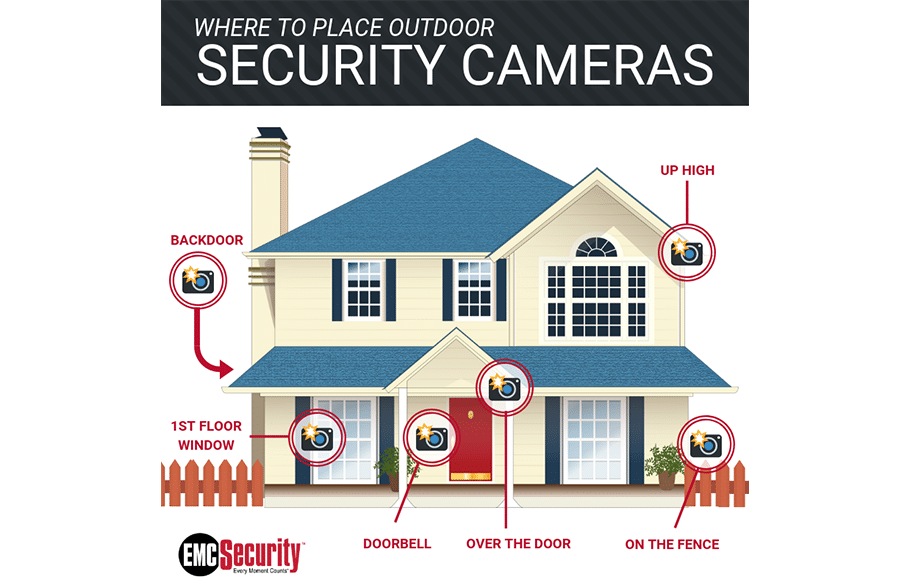
So, what should you do if you spot a camera or are considering a rental with one?
- Check Your Lease Agreement: Your lease should ideally outline any existing security cameras or policies regarding them. If it's not mentioned, it's a good conversation starter.
- Communicate: If you have concerns, talk to your landlord. A friendly chat can often resolve misunderstandings. Ask about the camera's purpose and its field of view.
- Know Your Local Laws: Privacy laws, especially concerning surveillance, can vary significantly by state, city, and even county. A quick search or call to a local housing authority can provide clarity.
- Common vs. Private: Always distinguish between common areas (where cameras are generally okay) and private areas (where they are generally not).
Ultimately, the placement of outdoor cameras by a landlord is a balancing act between security and privacy. While they can provide valuable protection, your right to a private living space is paramount. By understanding the common distinctions, checking your lease, and having an open conversation, you can ensure both safety and peace of mind in your home. Remember, good communication is often the best security measure of all!