
Picture this: you're just living your best life, maybe indulging in a long, hot shower, or perhaps you're on a quest to conquer a mountain of pasta by boiling water with the ferocity of a dragon. Suddenly, out of nowhere, that shrill, piercing shriek erupts. It’s not your teenager reacting to a lost Wi-Fi signal. It's not the cat demanding tribute. It’s the dreaded, ear-splitting cry of your smoke detector.
You frantically search for flames, sniff the air for burning toast, perhaps even eye your innocent-looking toaster with suspicion. Nothing. Nada. Just... a lot of steam. And then the thought creeps in, insidious as a morning fog: "Could my shower, my magnificent, stress-melting shower, be so powerful that it's convincing this little plastic disc that the house is on fire?"
You, my friend, are not alone in this peculiar modern dilemma. Welcome to the hilarious, sometimes infuriating, world where the very air you breathe, specifically the watery air, can trigger an unwarranted apocalyptic alarm.
A Humid History of False Alarms
It sounds absurd, right? Smoke detectors are designed to detect smoke, those tiny, invisible assassins that signal danger. Not... moisture. Not the gentle mist from your humidifier or the glorious clouds from your perfectly brewed cuppa. But believe it or not, the answer to "Can humidity cause smoke detectors to go off?" is a resounding, albeit slightly conditional, YES.
It's not that your smoke detector is secretly a weather reporter, judging your bathroom's atmospheric pressure. Nor is it trying to narc on your luxurious spa day. It's all about how these clever contraptions actually "see" smoke, and how humble water vapor can sometimes pull off a remarkably convincing impression of a fire hazard.
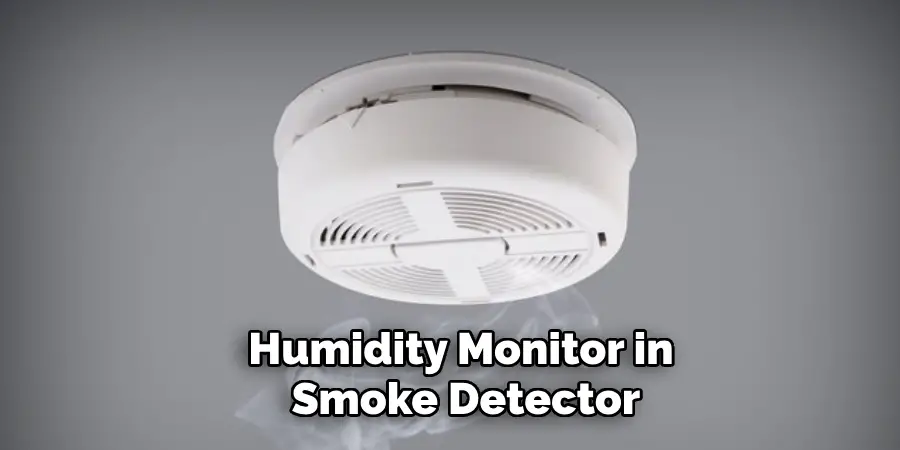
The Science-y Bit (But Make It Fun!)
Let's briefly dip our toes into the shallow end of science. Most homes have one of two types of smoke detectors, or sometimes both working in harmony (or occasionally, discord).
First up, we have the ionization smoke detector. Think of these as tiny, vigilant bouncers at a very exclusive club. They have a small, harmless radioactive source that ionizes the air between two plates, creating a tiny electric current. When smoke particles enter, they disrupt this current, and BAM! Alarm bells ring. These guys are generally less susceptible to humidity because water molecules don't usually interfere with their current in the same way smoke particles do.
Enter the Photoelectric Pal
Now, for the main culprit in our humid drama: the photoelectric smoke detector. Imagine this detector as having a little flashlight and a tiny camera inside a dark maze. The flashlight constantly shines, but its beam usually goes straight past the camera. When smoke particles enter the chamber, they're like mischievous glitter in a disco ball. They scatter the light, reflecting some of it into the camera's lens. When the camera "sees" enough scattered light, it assumes there's smoke, and then – you guessed it – the siren screams its lungs out!

And here's the kicker: dense steam or high humidity can do the exact same thing! Tiny water droplets, especially in thick concentrations, can scatter light just like smoke particles. It’s like a magic trick where steam suddenly transforms into an optical illusion of danger. Your detector isn't lying; it genuinely thinks it sees smoke because the light is bouncing around like crazy. It's just tragically mistaken about the source.
So, What's Really Going On?
This phenomenon is particularly common in areas prone to sudden bursts of high humidity. We're talking about:
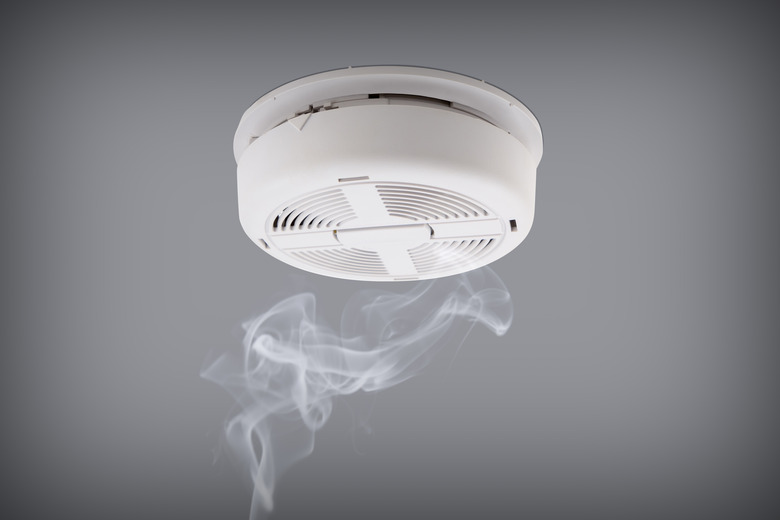
- Your steamy bathroom after a marathon shower that left the mirror entirely opaque.
- The kitchen when you're boiling water for pasta or steaming veggies, and forgot to turn on the exhaust fan (or don't have one powerful enough to tame the vapor beast).
- Right next to an overzealous humidifier, especially if it's placed too close to the detector.
- During extremely humid weather, where the air itself is thick with moisture, or after a pipe burst (though that's a whole other soggy drama).
It's not just humidity either. Sometimes, good old-fashioned dust and lint can accumulate inside the detector, mimicking smoke particles and causing false alarms. Even a tiny spider setting up a web in the chamber can reflect light, turning your smoke detector into an arachnophobe's worst nightmare!
When Your Shower Becomes a Smoke Machine
So, your smoke detector isn't secretly judging your shower singing. It's just a little bit... overly enthusiastic when it comes to detecting particles in the air. For photoelectric detectors, a cloud of steam is simply too good an impression of smoke to ignore. It’s like a comedian whose impression of a fire alarm is so perfect, it triggers an actual fire alarm. A meta-alarm, if you will.
The good news? Your house probably isn't burning down. The bad news? You've just startled every cat, child, and peace-loving adult in a 50-foot radius. And now you have to climb a chair or grab a broom handle to silence the beast.
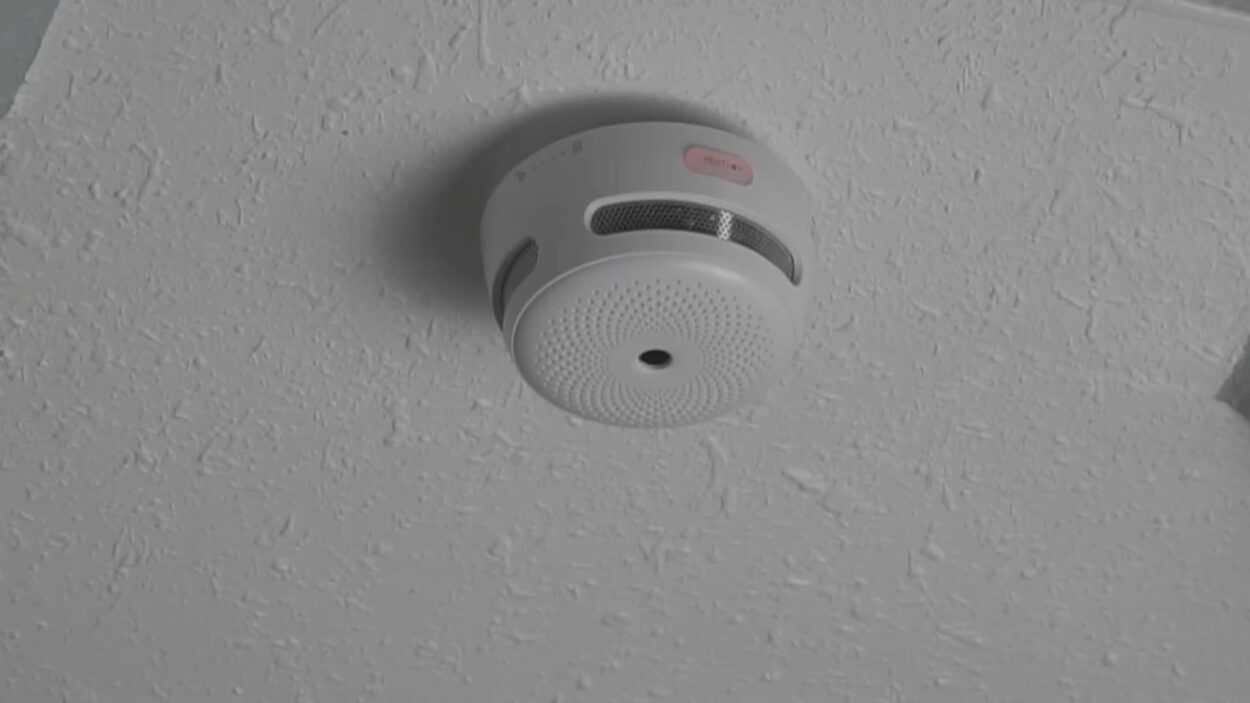
Don't Panic, Just Vent!
If your smoke detector is staging a false alarm opera every time you shower, here are some comedic (and practical) tips:
- Ventilation is your friend: Open a window, turn on the exhaust fan. Let that beautiful steam escape instead of building up to 'smoke detector alarm' levels.
- Location, Location, Location: Maybe your smoke detector is just a bit too close to the bathroom door or directly above your kettle. Consider relocating it a little further away, ensuring it's still in an effective spot for actual smoke detection.
- Clean Your Detector: Sometimes, a gentle vacuuming or a wipe-down (after carefully removing the cover, if appropriate for your model) can clear out dust and cobwebs that might be contributing to the issue. Think of it as giving your detector a spa day, so it doesn't try to shut down yours.
- Know Your Detector Type: If you're constantly battling humidity-triggered false alarms, and your detector is photoelectric, knowing this can help you understand why it's happening.
The Takeaway, Sans Siren
So, yes, humidity can absolutely set off your smoke detector, especially if it's a photoelectric model and the steam is dense enough to mimic smoke particles. It's not a sign of a faulty detector, but rather a detector doing its job a little too well, mistaking your innocent water vapor for a fiery threat.
Next time it happens, instead of panicking, try to imagine your smoke detector as a highly sensitive, slightly dramatic robot, convinced that your lovely bath is actually a stealth fire. Give it a break, open a window, and maybe offer it a tiny, non-flammable apology. After all, it's just trying to keep you safe, even if it sometimes gets a little confused between a cloud of steam and an actual inferno.