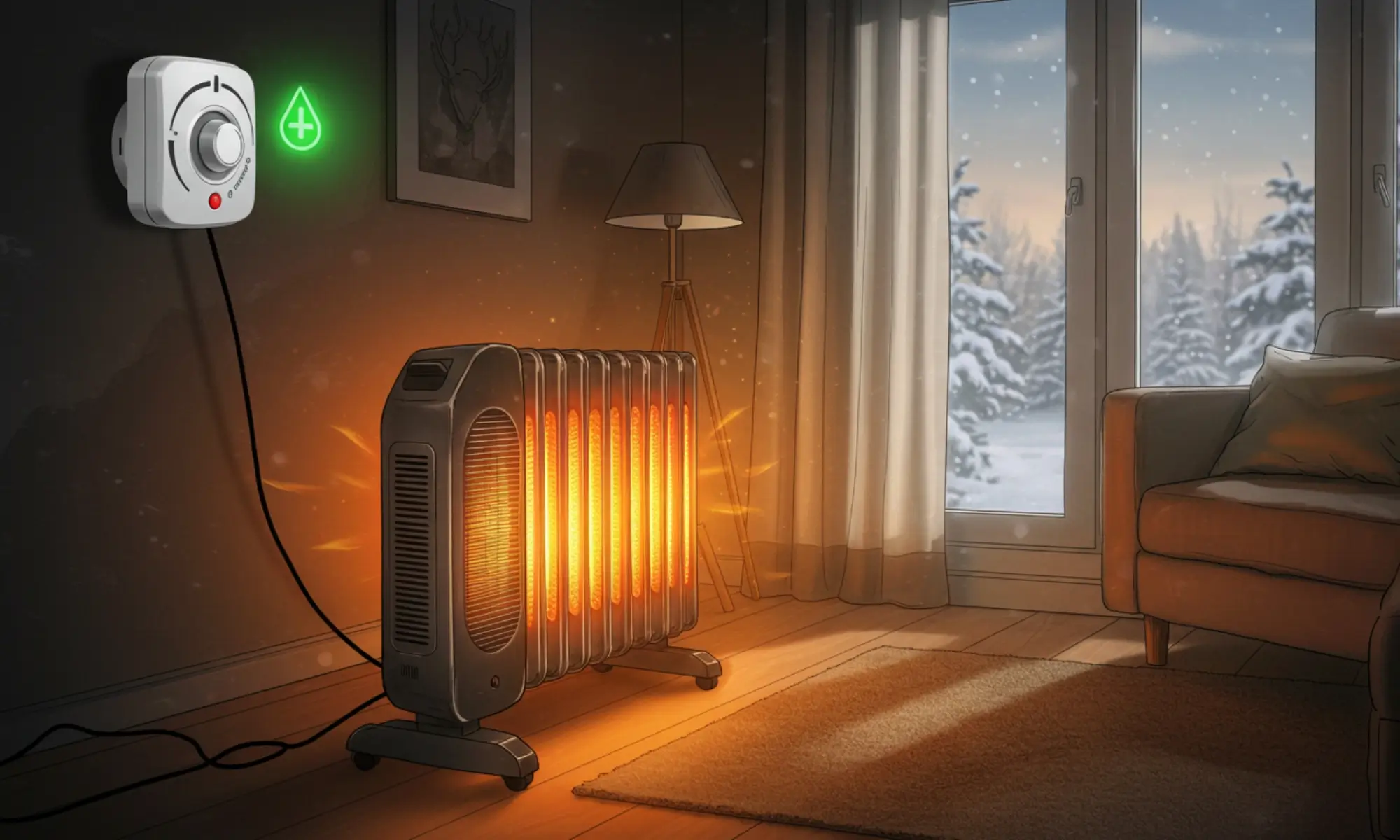
Hey there! Grab a mug, settle in. We need to chat about something that probably crosses your mind when the temps drop and your furnace kicks on. You know, that little whisper of worry: "Am I gonna wake up to a silent killer?"
And specifically, we’re talking about carbon monoxide (CO). Nasty stuff, odorless, colorless, and super dangerous. The kind of thing that makes you want to install about a dozen CO detectors, just in case.
But here's the kicker, the big question mark hanging over our heads today: Can an electric furnace produce carbon monoxide?
The Big Reveal: Electric Furnaces and CO
Alright, drumroll please… Spoiler alert! The short, sweet, and incredibly reassuring answer is: no. Not directly, anyway. And that's a pretty huge deal!
Think of it this way. What does a gas furnace do? It burns natural gas or propane, right? It's a whole combustion party happening in there to create heat. And when you burn things, especially fossil fuels, you get exhaust. And if that exhaust isn't handled perfectly, if the combustion isn't complete, then boom – you've got carbon monoxide potentially sneaking into your living space.
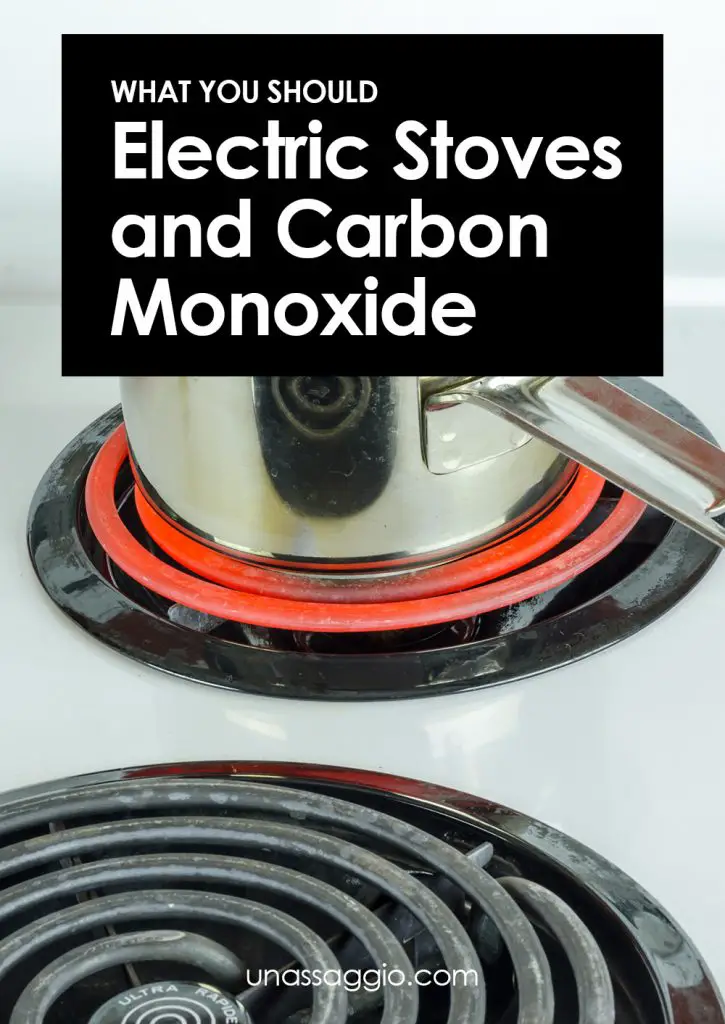
But an electric furnace? What's its secret sauce? Well, it’s electricity! It’s like a giant, super-powerful toaster oven for your entire house. It uses electric heating elements that glow red-hot to warm up the air. No burning fuel, no combustion, no flames, no exhaust. See where I’m going with this?
Since there’s nothing actually burning, there’s simply no way for an electric furnace itself to create carbon monoxide. Pretty cool, huh? One less thing to keep you up at night!
But Wait, There's Always a "But"...
Now, before you go ripping out all your CO detectors and doing a happy dance, let’s pump the brakes just a smidge. While your electric furnace is innocent as a lamb when it comes to producing CO, your home is a whole different beast. And your electric furnace doesn't live in a vacuum.

Here’s where the "but" comes in:
External Sources are Still a Thing:
Your house probably has other things going on that do burn fuel. Maybe you have a gas stove, a gas water heater, a fireplace, a wood-burning stove, or even an attached garage where a car might be idling (a definite no-no!). These guys can absolutely produce CO.
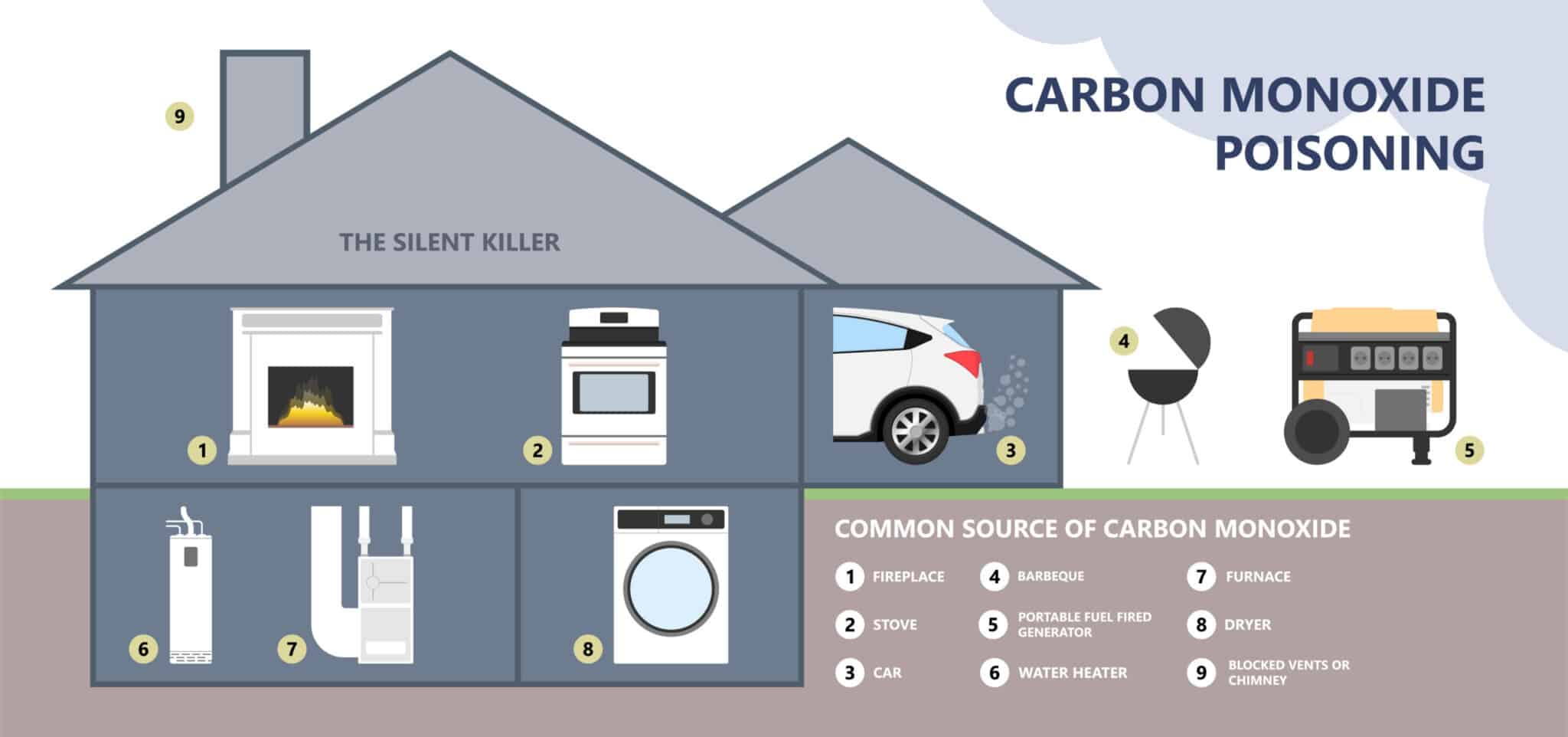
If CO is being produced by one of these other appliances or sources, and let's say there's a ventilation problem, or a leak… guess what your electric furnace might do? It’ll happily suck up that air (CO and all!) and circulate it throughout your entire home. So, while it didn't make the CO, it sure can help it travel.
Electrical Fires (A Different Beast):
This is a completely separate safety concern, but worth a quick mention. An electric furnace, like any electrical appliance, can malfunction. Wires can fray, components can short, and yes, in rare cases, an electrical fire could start. Now, an electrical fire itself will produce smoke and potentially CO from the incomplete combustion of building materials, insulation, etc. But this is a result of a fire, not the furnace directly producing CO as part of its normal heating process.
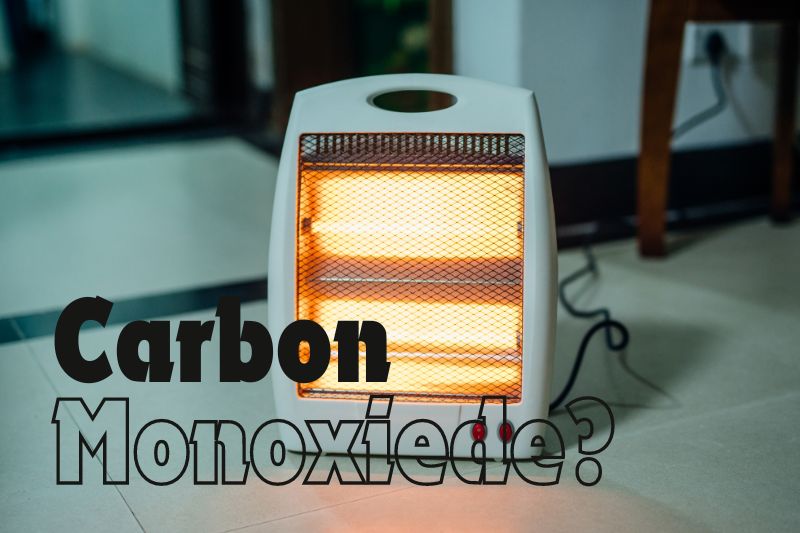
So, What's the Takeaway from Our Little Chat?
Alright, let’s tie this up with a nice, sensible bow. Your electric furnace is your friend. It’s a clean-burning (or rather, non-burning!) source of heat. You can rest easy knowing it won't be spewing out CO into your home.
However:
- Keep those CO detectors! Seriously, they're your home's unsung heroes. Install them, test them regularly, and replace them when recommended. They protect you from all those other potential CO sources in your life.
- Maintain ALL your appliances. If you have gas appliances, get them checked annually by a pro. Make sure they're venting properly.
- Ventilation is Key. Good airflow in your home is always a good idea.
So, there you have it! The mystery solved. Your electric furnace is off the hook. Now, if you'll excuse me, my coffee's getting cold.