
Alright, picture this: it's the dead of night. You’re cozily tucked in, maybe dreaming of puppies or unlimited pizza. Then, BEEP! Your eyes snap open. What was that? A ghost? A tiny robot planning world domination? You lie there, heart thumping, waiting. And then, there it is again. BEEP! It's that infamous, infuriating, impossible smoke detector chirp. But here's the wild part: you swear you took the battery out of that thing months ago! So, can a smoke detector truly beep without a battery? Let's unravel this glorious, nocturnal mystery!
The Phantom Beep: A Tale of Deception
The quick, albeit slightly less dramatic answer is: mostly no. A smoke detector, bless its little electronic heart, simply needs power to make a sound. Think of it as a rock star without a microphone plugged in. All potential, zero noise. If you truly, absolutely, positively removed every single power source from a standalone, battery-only smoke detector, it genuinely cannot beep. It's not possessed by a mischievous spirit. It’s not playing mind games from the great beyond. So, if you’re hearing a beep, something is powering it. The real question is, what exactly?
The Plot Thickens: Hardwired Heroes (and Secret Agents)
Here’s where the plot twist usually arrives, often precisely at 3:17 AM. Many modern homes boast hardwired smoke detectors. These clever contraptions are directly connected to your home's main electrical system. They get a constant, VIP power supply. "Ah-ha!" you exclaim. "So no battery needed!" Not so fast, Sherlock. Even these main-powered units typically hide a secret weapon: a backup battery. Why the double duty? Because fires love to knock out power. A smoke detector that goes silent when the lights go out is, well, pretty useless.
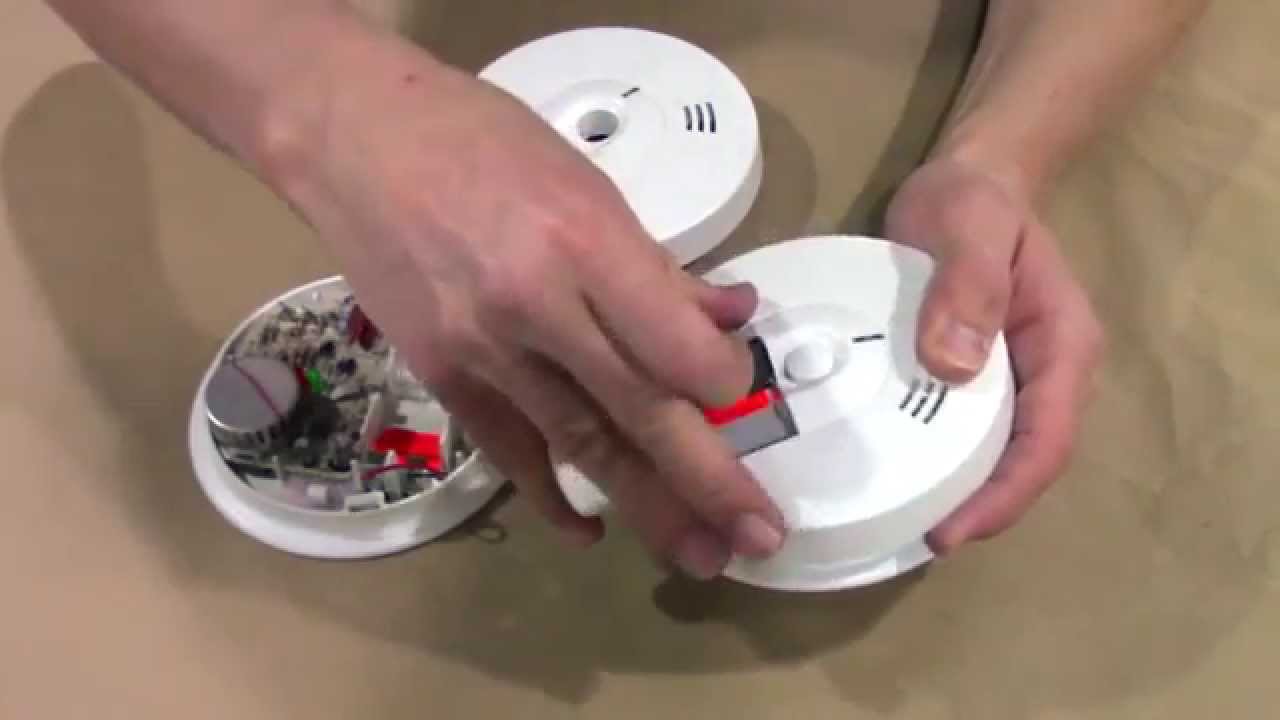
So, when that hardwired unit starts its annoying chirp, it's almost always a desperate cry from its backup battery. It's essentially yelling, "Hey, human! My trusty 9-volt sidekick is dying! Replace me before the real emergency hits!" This is the most frequent culprit behind the "I swear it has no battery!" conundrum. You might have pulled the main battery from a different, purely battery-operated unit. But that hardwired one in the hallway? Still kicking, but barely.
The "Which One Is It?" Game: A Midnight Scavenger Hunt
Pinpointing the exact chirping culprit can feel like a grueling level in a horror-themed video game. Sound is sneaky. It bounces. It echoes. It plays cruel tricks on your sleep-deprived brain. One minute the beep sounds like it's coming from the kitchen, the next it’s definitely the hallway, then maybe the attic? This auditory confusion intensifies with interconnected smoke detectors. If one unit in an interconnected system detects an issue (or a dying battery), it can signal all the other units to chirp or blast the alarm. So, you pull the battery from the one above your bed, only for the one in the living room to chime in, seemingly out of spite. It's a truly frustrating symphony!
The "Beep of Death": When Retirement Calls
Here's a quirky, slightly bittersweet fact: smoke detectors aren't immortal. Most manufacturers strongly suggest replacing them every 8-10 years. Why the retirement age? Their internal sensors can become less sensitive. Dust, humidity, even tiny arachnids can interfere with their precision. And guess what some models do when they hit their golden years and are ready for the great beyond? You guessed it: they start a periodic, persistent chirp. It's their polite (or intensely annoying) way of saying, "My time has come. Replace me, human, before I fail you when it really matters!" Even with a brand new battery, an end-of-life chirp means the entire unit needs to go. Think of it like a beloved old car making strange noises even after a full service – it's time for a shiny new model!
Mistaken Identity: The CO Detector Imposter
Let's not forget our other home safety sidekick: the carbon monoxide (CO) detector. These often look strikingly similar to smoke detectors, especially if they're combined units (smoke + CO). And surprise, surprise! CO detectors also run on batteries, or are hardwired with battery backups. And you bet they also beep when their battery is low or when they're approaching their own end-of-life. So, you might be confidently yanking batteries from smoke detectors, completely unaware that the actual culprit is a CO detector in the corner, just waiting to announce its low power with a distinctive (and equally maddening) chirp. Always take a moment to identify all your detectors! They’re not all created equal.

The Quirky Fix: Detective Work and a Dash of Common Sense
So, how do you finally silence this mysterious beep? It truly begins with some good old-fashioned detective work. Channel your inner Sherlock Holmes! First, never assume it's battery-less just because you vaguely remember removing one. Our brains play tricks, especially at 3 AM. Always check for a backup battery, particularly on hardwired units. This is your primary suspect. Examine each detector carefully. Climb on a sturdy chair (safely, please!). Press the "test" button on each one. This helps you confirm it's working and isolate its unique sound. If it’s a hardwired unit, confirm the little power indicator light is on. Usually, a green LED signifies "all good." If it's off, flickering, or red, you’ve found your problem. Sometimes, simply taking the battery out, waiting a minute, and inserting a fresh one (or putting the old one back to reset it) can work wonders. It’s like rebooting your computer when it misbehaves – surprisingly effective for temperamental electronics!
The Takeaway: Don't Underestimate the Power of a Persistent Beep
So, can a smoke detector beep without a battery? Ultimately, no, not truly. It absolutely needs some form of power to make that noise. But the reasons it seems to are wonderfully complex and often involve power sources we simply overlook, or clever internal diagnostics trying to tell us something vital. It’s a testament to how these seemingly simple devices are designed with layers of redundancy to keep us safe, even if those layers occasionally conspire to annoy us at the most inconvenient hours. The next time that phantom beep invades your peaceful night, remember: it’s not trying to haunt you, nor is it pulling a magical Houdini. It's just trying to communicate. It’s a tiny hero, valiantly trying to convey an important message, even if its language is just an infuriating, incessant chirp. So go ahead, grab your step stool, channel your inner MacGyver, and give those tiny guardians the power (or the dignified retirement) they deserve. Swap out those old batteries! Replace those aged units! Your peaceful night's sleep – and your family's safety – absolutely depend on it! After all, who wants to live in a house where the smoke detector is constantly playing mind games? Definitely not me!