
Alright, gather 'round, curious minds! Let's tackle a question that might just surprise you. We're talking about that sneaky, invisible villain known as Carbon Monoxide, or CO for short. Now, when most folks hear about CO, their brains immediately jump to natural gas. Right?
Visions of leaky stoves, creaky furnaces, and all things gas-powered usually come to mind. It's a natural association, like peanut butter and jelly, or socks and sandals (maybe not that last one!). But here's where we throw a wrench in that assumption, in the most delightful way possible.
Can a house without natural gas still be at risk from carbon monoxide? Hold onto your hats, because the answer is a resounding, enthusiastic, YES! It’s like discovering your favorite action hero also secretly bakes amazing cookies.
That's right, folks! Your perfectly gassy-gas-free abode isn't magically immune to this invisible mischief-maker. CO doesn't care if you're hooked up to the city's natural gas line or if your home runs purely on sunshine and good vibes. It's a bit of an equal-opportunity menace, you see.
The Great Carbon Monoxide Myth-Buster!
Let’s bust this myth wide open with a giant, sparkly hammer of truth. Carbon monoxide is produced whenever fuels burn incompletely. And guess what? There are a whole lot of fuels out there that aren’t natural gas.
Think of it this way: CO is the byproduct of a party that got a little too wild without proper ventilation. Any fuel that burns – wood, charcoal, gasoline, propane, kerosene – can throw this CO party if it's not handled correctly.
Meet the Usual Suspects: Your Gas-Free CO Sources!
Let's parade out some of the most common culprits. These are the everyday items that could be secretly churning out CO in a house without a single natural gas pipe in sight. Prepare to be amazed!
The Cozy but Cautious Fireplace and Wood Stove
Ah, the crackling warmth of a fireplace! The rustic charm of a wood-burning stove! They bring such comfort and ambiance, especially on a chilly evening. You might be snuggled up with a book and a hot cocoa, feeling perfectly safe and sound.
But wait! If your chimney isn't properly maintained, or if it's partially blocked by a mischievous bird's nest or a grumpy squirrel's stash, the smoke and CO have nowhere to go. Instead of floating happily up into the sky, they can sneak right back into your living room.
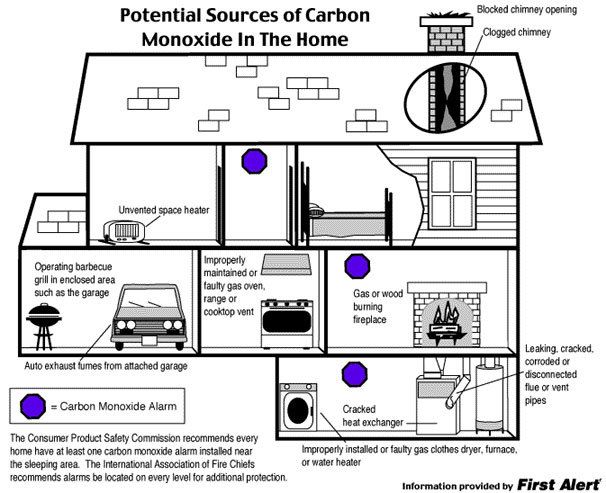
It's like having a tiny, invisible smoke monster trapped in your house, just waiting to escape. Always ensure your chimney is clean and clear! A yearly check-up from a professional chimney sweep is like giving your fireplace a spa day and an all-clear certificate.
The Backyard BBQ Beast (That Belongs Outdoors!)
Who doesn't love a good barbecue? Sizzling steaks, grilled veggies, the whole delicious shebang! Whether you're a charcoal purist or a propane maestro, your grill is a wonderful invention.
However, grills are designed for the great outdoors, under the wide-open sky. They are absolutely NOT meant to be brought inside, even for "just a minute" during a sudden rain shower. Trying to warm your home with a charcoal grill is a recipe for disaster, not warmth.
Bringing a charcoal grill indoors is like inviting a Carbon Monoxide monster to your house party. It might look innocent, but it’s packing a punch you don’t want!
The charcoal embers, glowing red-hot, are silently pumping out staggering amounts of CO. It’s a silent, odorless killer that can turn your indoor picnic into a medical emergency faster than you can flip a burger.
The Portable Powerhouse: Generators
Power outages can be a real drag. No lights, no fridge, no Wi-Fi – the horror! That's when many folks turn to their trusty portable generators. These brilliant machines bring electricity back into your life, but they come with a very important caveat.
Generators run on gasoline or other fuels, and like any engine, they produce exhaust. This exhaust is loaded with carbon monoxide. They are never to be operated inside your home, garage, basement, or even right outside a window or door.

Imagine setting up a mini-power plant right next to your bedroom window. All that exhaust, all that CO, will inevitably waft into your home. It’s a sneaky little gas, completely undetectable by smell or sight, making it extra dangerous.
Always place generators at a safe distance from your home, preferably at least 20 feet away, and never pointed towards any openings. Treat your generator like a powerful, roaring beast that needs its own outdoor space.
The Car in the Attached Garage: A Silent Threat
This one might seem obvious, but it's a super common mistake. Starting your car and letting it warm up in an attached garage, especially with the garage door closed, is a big no-no. Even if the garage door is open, fumes can still creep into your home.
Your car's exhaust system, even a perfectly functional one, produces CO. If that gas has nowhere to go but into your living space, you’re creating a very risky situation. It's like your car is trying to give your house a giant, gassy hug.
Even a quick five minutes can fill the garage and parts of your home with dangerous levels of CO. Always back your car out of the garage before letting it idle, or keep the garage door wide open to ensure maximum ventilation.
Kerosene and Propane Heaters: Warmth with a Warning
Sometimes, we use alternative heating sources. Kerosene heaters, for instance, are popular in some areas for supplemental heat. Propane heaters, often found in garages or workshops, also fit this bill. Both burn fuel and, you guessed it, can produce CO.
If these appliances aren't properly maintained, if their wicks are dirty, or if they're used in an unventilated area, they become CO-producing machines. They might be small, but they can pack a big, invisible punch.

Always follow the manufacturer's instructions for these devices. Ensure the area they are used in is well-ventilated, and regularly check them for proper function and cleanliness. Think of it as giving your heater a regular health check-up!
The Hidden Danger: Poor Ventilation!
Beyond the specific appliances, the real underlying villain is often poor ventilation. CO wants to escape. If it can't find its way out, it will take the path of least resistance – right into your cozy home.
Any fuel-burning appliance, no matter the fuel type, needs a clear, unobstructed path for its exhaust. Blocked vents, clogged chimneys, or simply using an outdoor appliance indoors are all recipes for trouble.
Your Home's Superhero: The Carbon Monoxide Detector!
So, what’s a savvy homeowner to do? Panic? Absolutely not! The answer is simple, powerful, and truly heroic: install carbon monoxide detectors! These amazing little gadgets are your home’s personal superheroes.
They don't need gas to work, just batteries or an outlet. They are constantly sniffing the air, diligently searching for any trace of that sneaky CO. When they find it, they let out a loud, insistent beep, warning you of the danger before you even feel a symptom.
A CO detector is like having a tiny, vigilant guardian angel with super-sensitive sniffers, always on duty!
Place them near sleeping areas and on every level of your home. They are relatively inexpensive and can literally save lives. Don't think of them as a luxury, but as an absolute necessity, right up there with smoke detectors.
Test them regularly, just like you would a smoke detector. Press that little test button, listen for the chirp, and know that your silent protector is ready for action. It’s a small effort for a huge peace of mind.
Prevention is Your Best Friend!
Beyond the detectors, a little bit of common sense and preventative action goes a long way. Regularly have all fuel-burning appliances inspected by a qualified professional. This includes your fireplace, wood stove, and any other non-gas heating sources.
Never, ever use outdoor equipment indoors. This rule is absolute! No grills, no generators, no power washers in the garage. Keep them outside, where their exhaust can dissipate safely into the open air.
Ensure good ventilation. If you're using a kerosene heater, crack a window slightly to allow for fresh air exchange. Be mindful of where your car's exhaust is going when it's running in or near your garage.
The Takeaway: Stay Safe, Stay Smart, Stay Smiling!
So, there you have it! The thrilling truth about carbon monoxide in gas-free homes. It’s a real possibility, but it's also incredibly easy to prevent. You don't need to live in fear; you just need to live with awareness.
Embrace your CO detectors! Treat them like the indispensable guardians they are. Educate your family and friends. Share this delightful wisdom about those sneaky, non-gas CO sources.
By understanding where CO can come from and taking a few simple steps, you can keep your home a fortress of safety and comfort. Go forth, enjoy your gas-free home, and breathe easy, knowing you're protected from that invisible troublemaker!