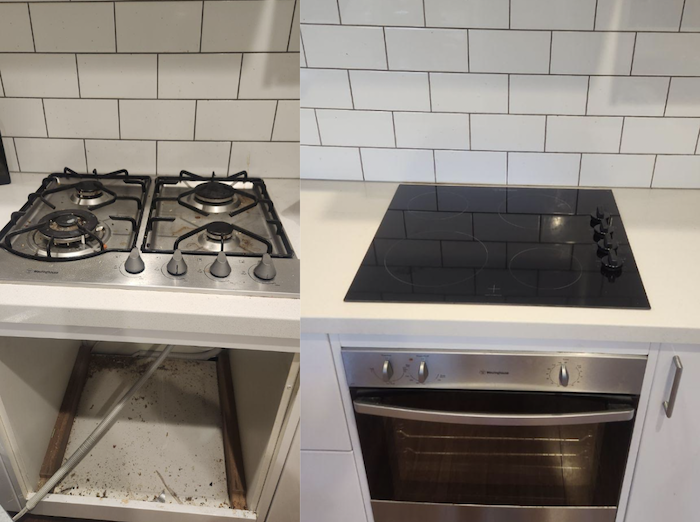
Replacing An Electric Stove With A Gas Stove
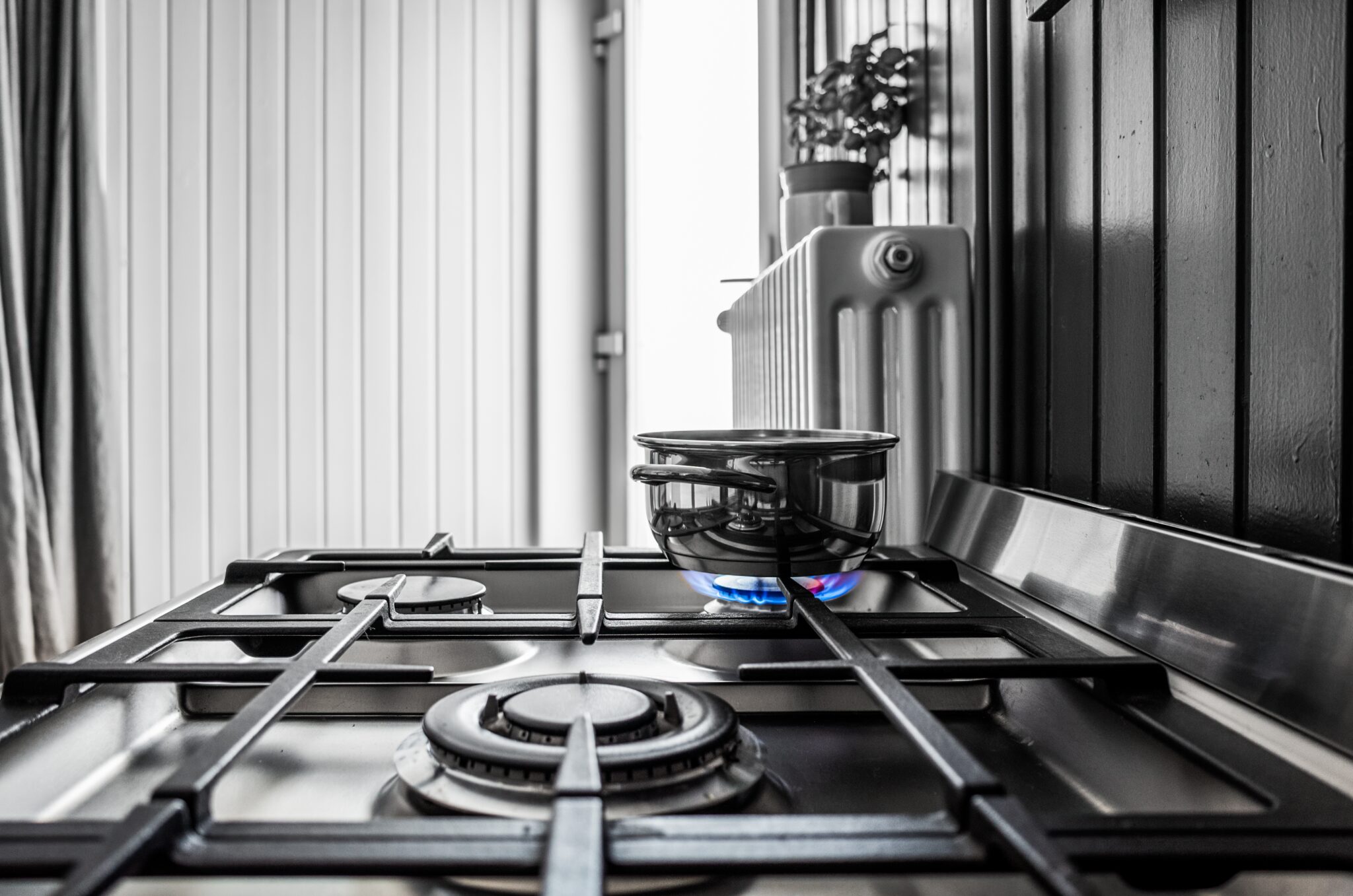
Swapping out your trusty electric stove for a gas one can feel like leveling up your kitchen game! Maybe you're tired of the slow heat-up times, dreaming of that beautiful blue flame, or simply craving more control over your cooking. Whatever the reason, it's a popular upgrade that opens up a world of culinary possibilities. Let's dive into what's involved and see if making the switch is right for you.
Why go gas? It depends on who you are. For the beginner cook, a gas stove offers a more intuitive cooking experience. You see the flame, you feel the heat instantly, and adjustments are immediate. It's much easier to learn how to control temperature and prevent burning food. For families, gas stoves often come with powerful burners, perfect for quickly boiling water for pasta or searing meat for a large meal. The responsiveness also helps manage multiple dishes cooking simultaneously. And for the hobbyist chef, a gas range is a playground! Precise temperature control is crucial for delicate sauces, achieving the perfect sear, and wok cooking. Plus, many high-end gas ranges offer features like simmer burners, griddles, and even built-in sous vide capabilities.
What are your options? Gas stoves come in all shapes and sizes. Freestanding ranges are the most common and slot easily into existing kitchen layouts. Slide-in ranges offer a more streamlined look, blending seamlessly with your countertops. You can even get cooktops that are installed directly into your countertop above built-in ovens. When choosing a gas stove, consider the number of burners, the BTU (British Thermal Unit) rating of each burner (higher BTU = more heat), and any special features you might want. Some models offer convection ovens for even baking, while others have self-cleaning functions to save you time and effort.
Must Read
Getting Started: A Few Practical Tips Before you get too excited, there are a few crucial things to consider. First, you need a gas line. If you don't already have one, you'll need to hire a qualified gas plumber to install one. This is not a DIY project! Second, you'll need proper ventilation. A range hood that vents to the outside is essential for removing smoke, grease, and harmful gases. Third, you'll need the correct electrical outlet. Even though it's a gas stove, it still needs electricity to power the igniter and any electronic controls. Fourth, research local codes. Your city or county might have specific regulations regarding gas appliance installation.
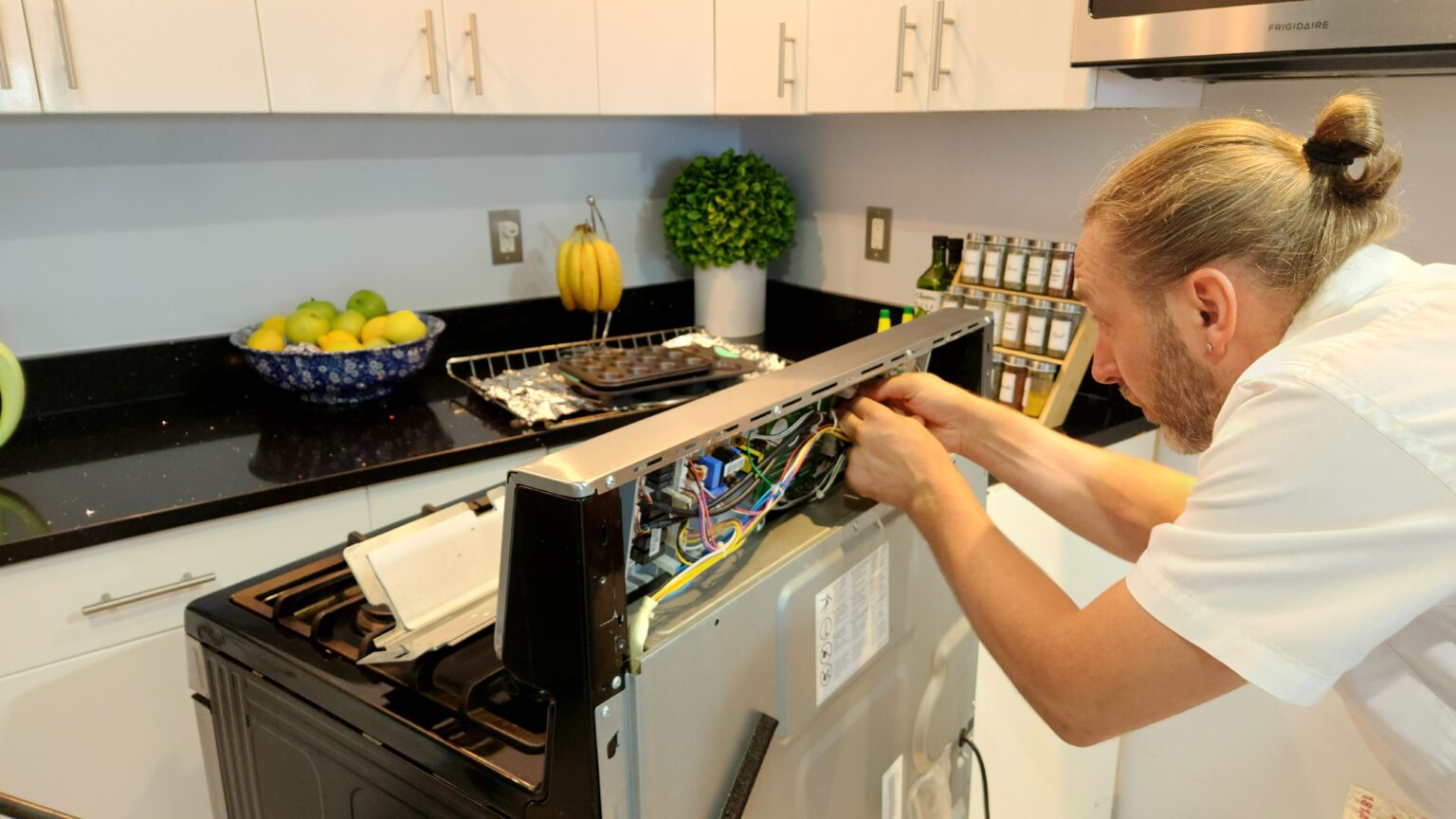
Ready to take the plunge? Here are a few things you can do now:
- Get quotes from several qualified gas plumbers for gas line installation.
- Measure the space where your current stove sits to ensure your new gas stove will fit.
- Start browsing online and in appliance stores to get an idea of the models and features available.
Ultimately, replacing an electric stove with a gas stove is an investment that can significantly enhance your cooking experience. With a little planning and preparation, you'll be enjoying the delicious results of your new gas range in no time! The control, the speed, and the sheer satisfaction of cooking with gas are well worth the effort. Enjoy the journey of transforming your kitchen into a culinary haven!