
Replacing A Gas Stove With An Electric Stove
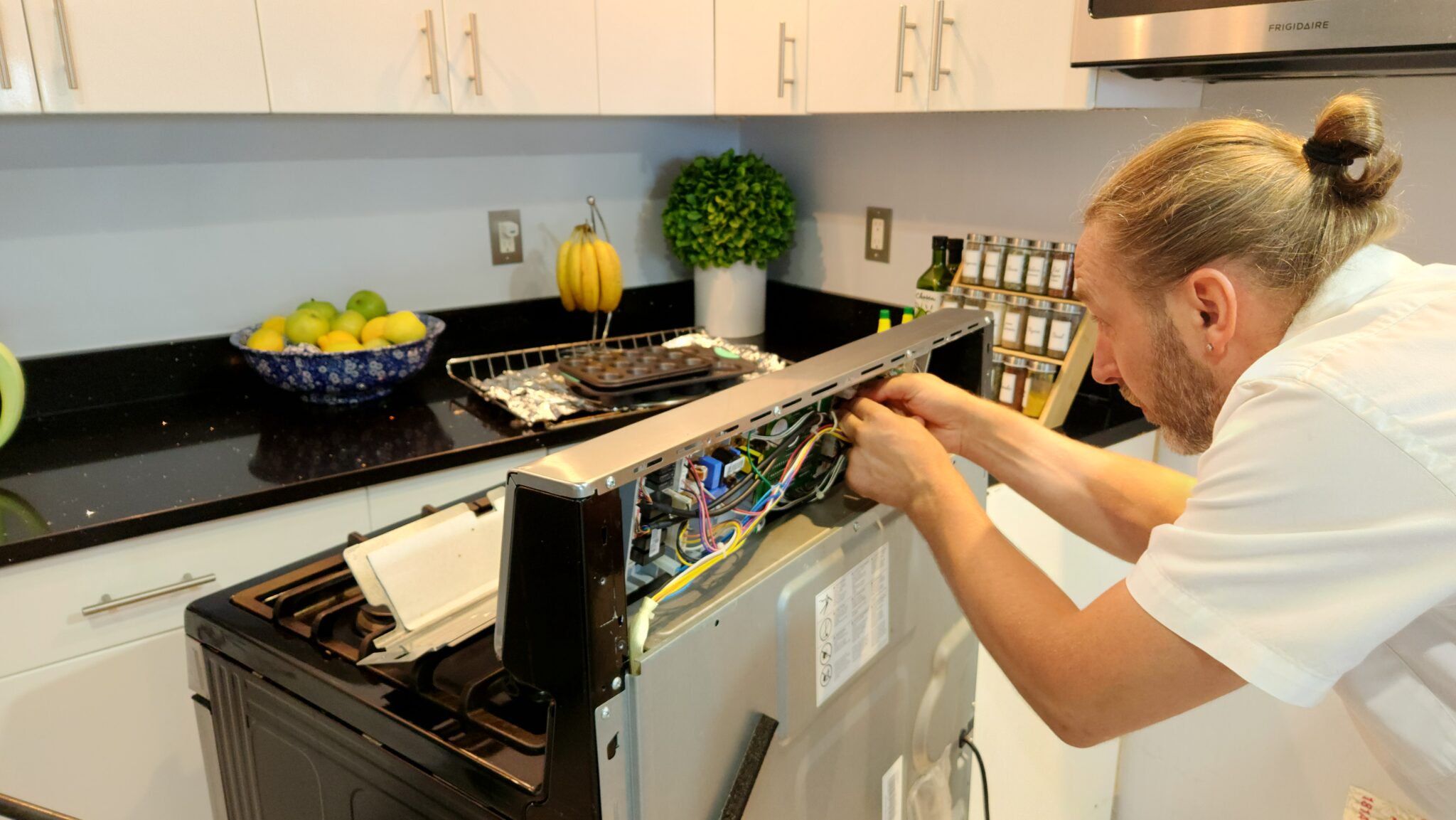
Thinking about ditching the gas and going electric in the kitchen? Switching your gas stove for an electric one might seem like a big deal, but it's actually a surprisingly fun and often rewarding upgrade. Whether you're chasing sleek new technology, looking for enhanced safety, or simply want to modernize your cooking experience, swapping out your old gas range for an electric counterpart is definitely worth considering.
The reasons to switch are as varied as the people doing the cooking. For beginners, an electric stove offers a more consistent and predictable heat. No more fiddling with gas knobs to get that perfect simmer! Electric stoves, especially induction models, often boast precise temperature controls, making learning new recipes a breeze. Families, on the other hand, might prioritize the added safety features. Electric stoves eliminate the risk of gas leaks and often come with child-lock features to prevent accidental burns. Plus, many electric ranges are easier to clean, a huge win for busy parents. And for hobbyist chefs and serious foodies? Electric stoves, particularly induction cooktops, deliver lightning-fast heating and incredible responsiveness. This means more control over your cooking, leading to perfectly seared steaks and evenly cooked sauces.
Electric stoves come in a variety of styles to suit different needs and preferences. You've got your classic coil electric ranges, known for their affordability and durability. Then there are smooth-top electric ranges, which are easier to clean and offer a more modern look. And of course, there's induction, the rockstar of the electric stove world. Induction uses electromagnetic energy to directly heat your cookware, resulting in incredibly fast and efficient cooking. Each type has its pros and cons, so do a little research to figure out which one best fits your cooking style and budget.
Must Read
So, you're ready to take the plunge? Here are a few simple tips to get you started. First, check your electrical setup. Electric stoves require a 240-volt outlet, so make sure you have one or are prepared to have one installed by a qualified electrician. Second, measure your existing gas stove and the space in your kitchen to ensure the new electric stove will fit properly. Third, consider your cookware. While most cookware works with traditional electric stoves, induction cooktops require magnetic cookware. A simple magnet test can tell you if your pots and pans are compatible. Finally, don't be afraid to shop around and compare prices. You might be surprised at the range of options available!
Switching from gas to electric might seem daunting initially, but it's a change that can bring significant benefits to your cooking experience. From increased safety and easier cleaning to more precise temperature control and faster heating, an electric stove can transform your kitchen into a culinary haven. So, embrace the change, explore the possibilities, and get ready to enjoy the joys of electric cooking!


