Renewable And Non Renewable Resources Of Energy
Ever flick a light switch and bask in the instant glow? Or hop in your car and effortlessly cruise down the highway? We often take these everyday conveniences for granted, but they all rely on one fundamental thing: energy. And where does that energy come from? That's where the fascinating world of renewable and non-renewable resources comes into play. It's a topic that might sound dry, but trust me, understanding it helps us appreciate the power behind our modern lives.
Energy resources are essentially the lifeblood of our society. They power our homes, schools, hospitals, and industries. They keep us connected through technology and allow us to travel the globe. Without a reliable energy supply, our world would grind to a halt. Whether it's keeping our food cold in the fridge or enabling surgeons to perform life-saving operations, energy resources are the unsung heroes of our daily routines.
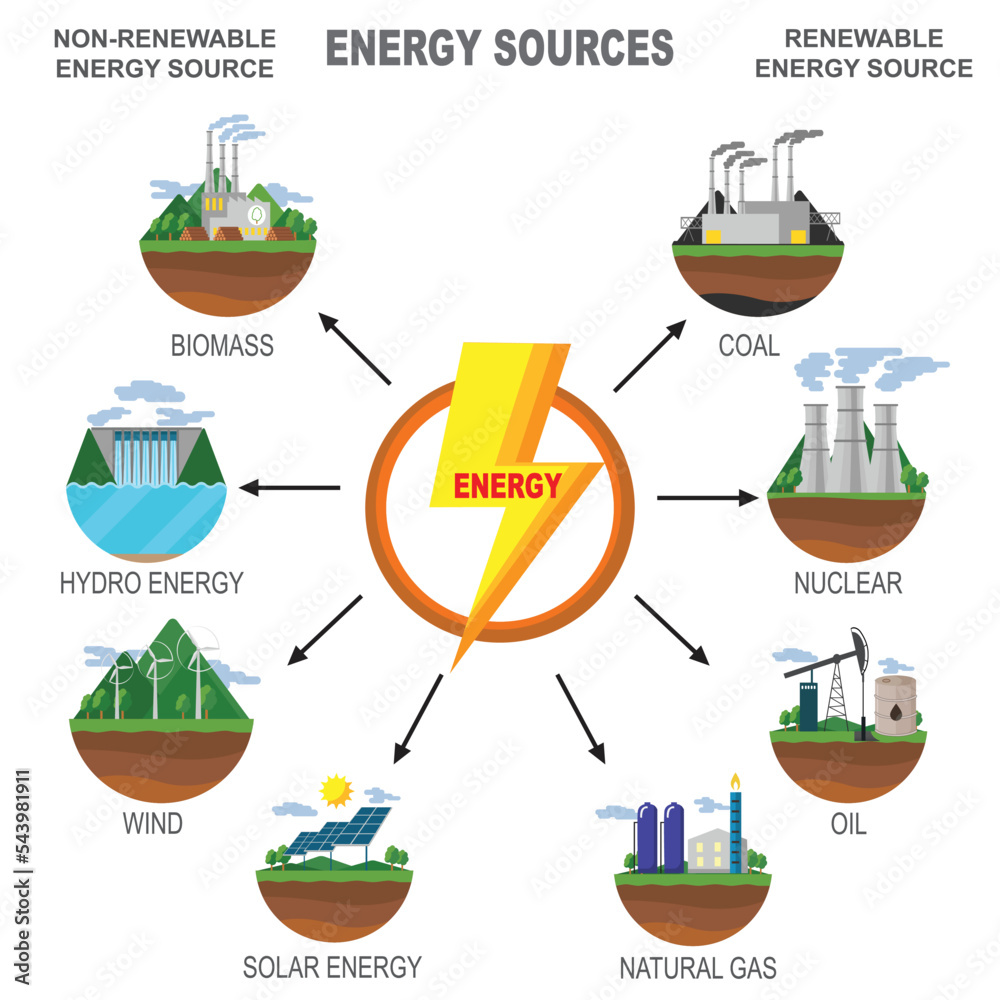
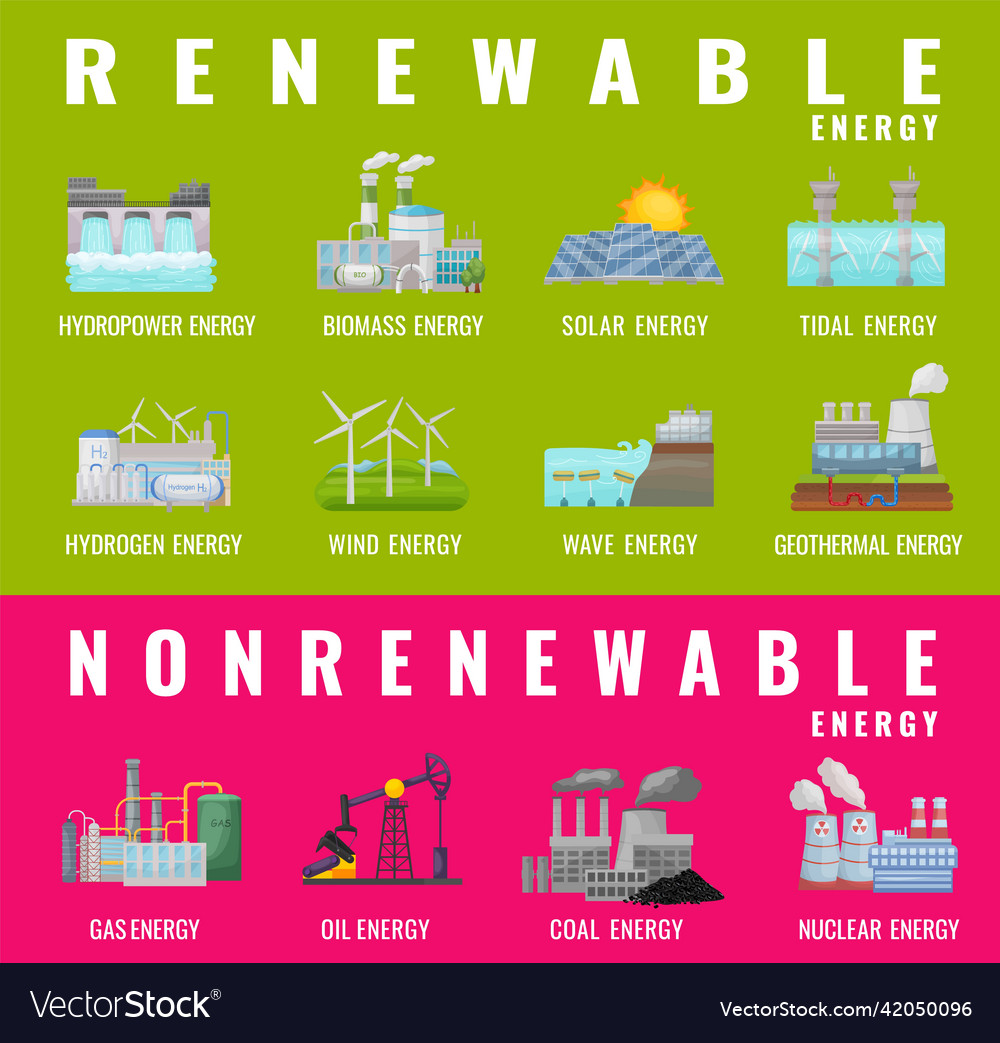
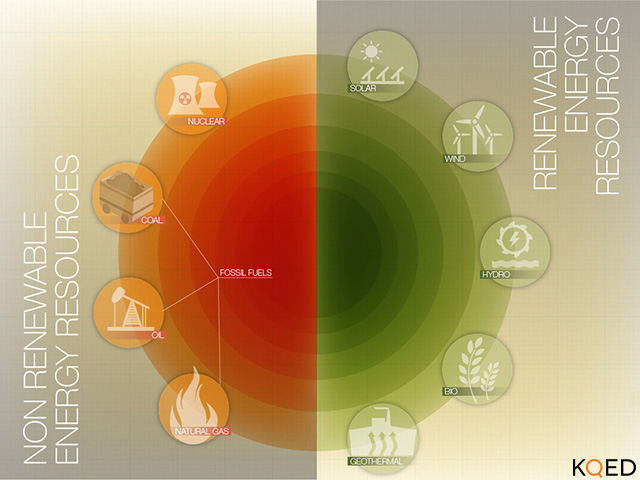
Let's break down the two main categories: non-renewable resources and renewable resources. Non-renewable resources, like coal, oil, and natural gas, are formed over millions of years and exist in finite quantities. Think of them like a giant piggy bank that we're constantly withdrawing from. These are commonly used to generate electricity in power plants, fuel our vehicles, and produce plastics. Renewable resources, on the other hand, are naturally replenished and virtually inexhaustible. These include solar, wind, hydro, geothermal, and biomass. You see solar panels on rooftops converting sunlight into electricity, wind turbines spinning gracefully in the fields, and hydroelectric dams harnessing the power of flowing water.
Must Read
So, how can we, as everyday consumers, enjoy the benefits of energy more effectively while also being mindful of our planet? Here are a few practical tips:
- Embrace Energy Efficiency: Simple changes like switching to LED light bulbs, unplugging electronics when not in use, and properly insulating your home can significantly reduce your energy consumption. Think of it as finding money you didn't know you had!
- Consider Renewable Energy Options: If you're able, explore options like installing solar panels or purchasing renewable energy credits from your utility company. You'll be contributing to a cleaner energy future.
- Be Mindful of Transportation: Opt for walking, cycling, or public transportation whenever possible. If you need a car, consider a fuel-efficient or electric vehicle.
- Reduce, Reuse, Recycle: Manufacturing products requires energy, so reducing your consumption and properly recycling materials helps conserve resources.
- Educate Yourself: The more you understand about energy resources, the better equipped you'll be to make informed choices about your energy usage. Follow news outlets and organizations that focus on sustainability and energy innovation.
Understanding the difference between renewable and non-renewable energy resources empowers us to make more sustainable choices. By embracing energy efficiency and supporting renewable energy, we can ensure a brighter and more sustainable future for ourselves and generations to come. So, next time you flick that light switch, take a moment to appreciate the incredible journey of energy and the potential we have to use it wisely.