Renewable And Non Renewable Energy Resources
Okay, let's talk energy. Not the kind you need to chase after a toddler who's discovered the joys of permanent marker on the walls, but the stuff that powers our homes, cars, and, well, basically everything. We're talking renewable and non-renewable energy resources. Sounds a bit science-y, right? Don't worry, we'll break it down like a stale baguette – easily digestible, if not particularly exciting at first.
Non-Renewable Energy: The One-Night Stand of Power
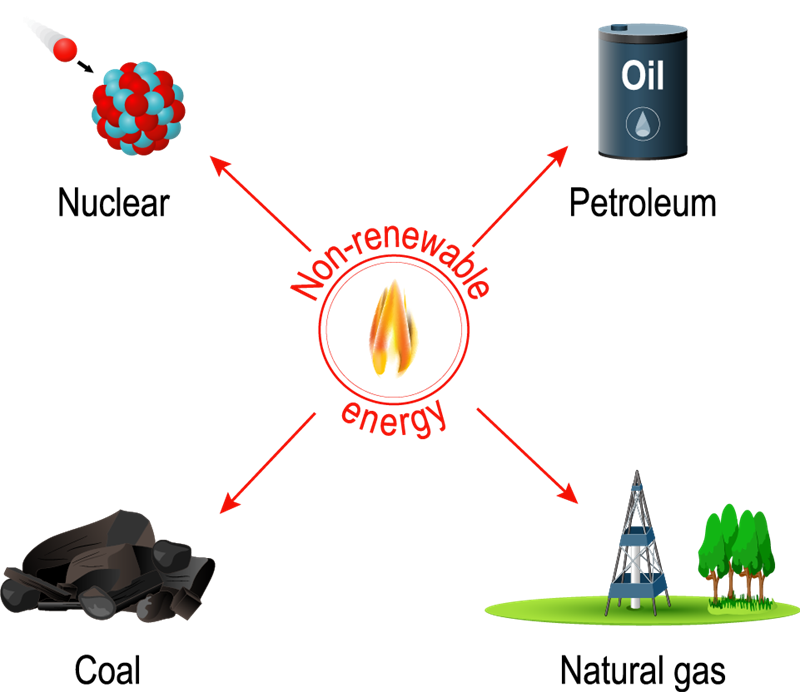
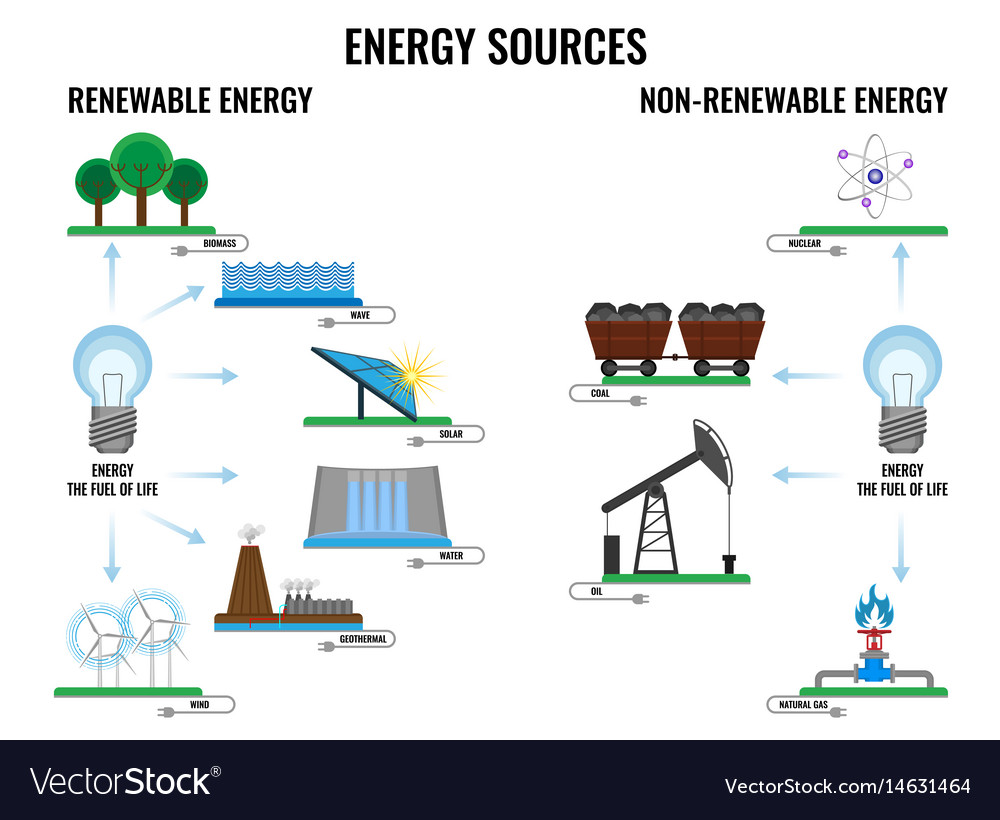
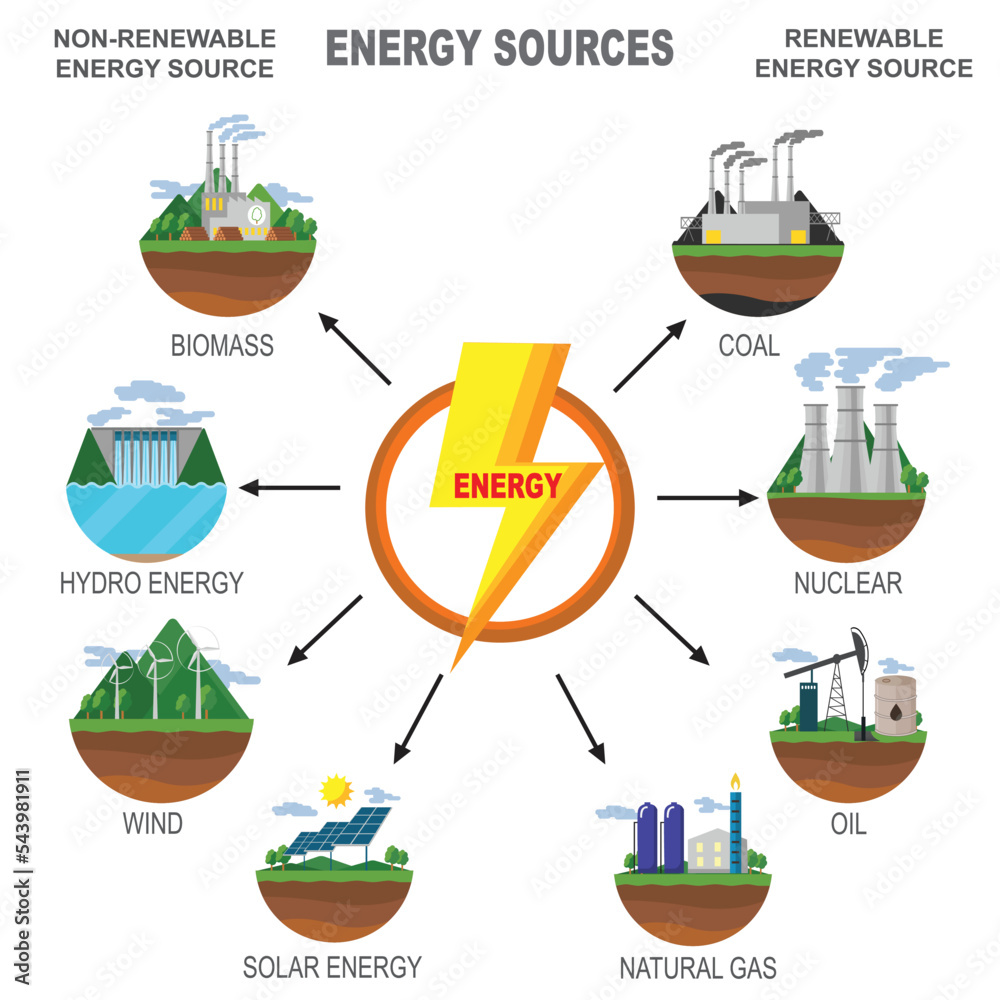
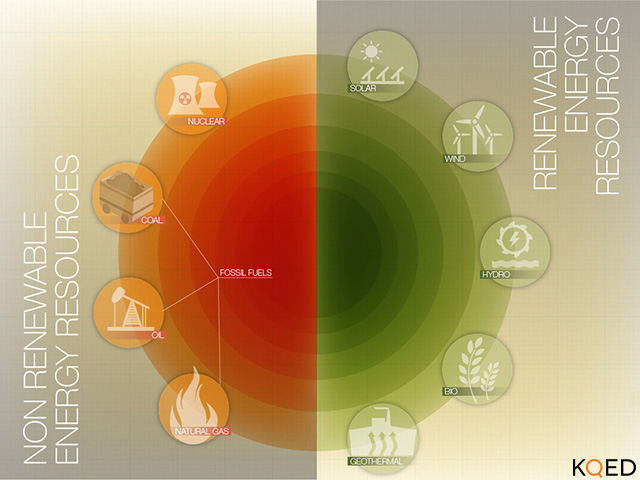
Think of non-renewable energy as that super convenient, but ultimately unsustainable, relationship. Like, that time you lived off pizza for a week because you were too lazy to cook. Sure, it filled you up, but you knew deep down it wasn't a long-term strategy. These resources are the fossil fuels: coal, oil, and natural gas. They're buried deep in the earth, and formed over millions of years from dead plants and animals. Basically, ancient compost, but way more powerful.
The good news? They're relatively cheap (for now) and provide a LOT of energy. Imagine trying to power your entire city with hamsters on treadmills. Fossil fuels are way more efficient. The bad news? Once we use them up, they're GONE. Kaput. Think of it like that limited-edition chocolate bar you devoured in one sitting. Delicious, but now it’s just a memory (and possibly a slight sugar rush).
Must Read
And there's the whole pollution thing. Burning these fuels releases greenhouse gases that contribute to climate change. Remember that time you accidentally set off the smoke alarm trying to make toast? Multiply that by, oh, a billion, and you get the general idea of the environmental impact. Not ideal.
Renewable Energy: The Long-Term Relationship of Power
Now, let's talk about renewable energy. This is the steady, reliable partner who brings you flowers and actually listens when you talk about your day. These are the resources that are naturally replenished, like sunshine, wind, and water. They’re the power sources that keep on giving.
Solar power? It's like having a giant, free flashlight in the sky. We capture the sun's energy with solar panels and turn it into electricity. Sure, it’s less effective on cloudy days, but that’s like having a partner who’s a bit grumpy before their morning coffee. You learn to work with it.
Wind power? Think of it as harnessing the power of a really enthusiastic hair dryer. Giant turbines capture the wind's energy and convert it into electricity. Sometimes it's a gentle breeze, sometimes it's a gale-force wind that threatens to blow your umbrella inside out. But either way, it's producing power.
Hydropower? Using the force of flowing water (usually from dams) to generate electricity. It's like using a water wheel to grind grain, but on a much larger scale. Imagine a giant, never-ending water slide that powers your house. Fun, right?
Geothermal energy? Harnessing the Earth's internal heat. It's like tapping into a giant, underground radiator. This can be used for heating homes or generating electricity. Think of it as Mother Earth giving you a warm hug (and some power).
The beauty of renewable energy is that it's sustainable. It's like planting a tree that provides shade and fruit for years to come. Less pollution, a more stable climate, and a future where we don't have to worry about running out of energy. Sounds pretty good, doesn't it?

So, What's the Deal?
Okay, so renewable energy is awesome, but why aren't we using it everywhere? Well, it's not always as straightforward as it seems. Sometimes the initial costs of setting up renewable energy systems can be high. Imagine buying a fancy new eco-friendly car. It's great for the environment, but your wallet might feel a little lighter at first. Plus, some renewable energy sources, like solar and wind, are intermittent. You can't control the weather, after all.
But the good news is that the cost of renewable energy is coming down, and technology is improving all the time. We're getting better at storing energy, so we can use it even when the sun isn't shining or the wind isn't blowing. It’s like having a backup battery for your phone, just in case.
In the end, the future of energy is likely to be a mix of both renewable and non-renewable resources, at least for a while. But the trend is definitely moving towards a more sustainable future, powered by the sun, wind, and water. So, next time you flip a light switch, take a moment to think about where that energy is coming from. You might just be surprised!