
Reason Why Ac Is Not Cooling
The Great AC Mystery: Why Your Air Conditioner is Blowing Warm Hugs Instead of Cool Kisses!
Oh, the horror! The sun is blazing, your favorite frosty beverage is melting, and your AC unit, your trusty steed against the summer heat, is just... not doing its job. Instead of that glorious wave of cool air, you're getting something more akin to a gentle, humid sigh. Don't despair!
Before you declare an all-out war on your air conditioner or start planning a move to an igloo, let's embark on a fun little detective mission. Often, the culprit behind a misbehaving AC is simpler than you think. We're going to uncover some common reasons why your cooling companion might be on strike, all without breaking a sweat (well, hopefully!).
First Stop: The Brainy Thermostat! Is It Playing Tricks?
Let's be honest, sometimes the simplest solution is hiding in plain sight. Is your thermostat actually set to "cool" mode? It sounds almost too obvious, but a quick flick from "heat" or "fan only" can be a total game-changer.
Must Read
Then, check the temperature setting. Is it low enough to kick your AC into action? If it's set to, say, 78 degrees and your house is already 76, your AC might just be chilling (pun intended) because it thinks everything's dandy.
And those tiny little batteries in your thermostat? They're the unsung heroes! A pair of dead or dying batteries can make your thermostat completely unresponsive, leaving your AC system in a confused state, like a forgotten remote control.
"Sometimes, the solution is as simple as teaching your thermostat to 'cool'!"
The Sneaky Culprit: A Clogged Filter! Your AC's Dirty Nose Mask!
Imagine trying to run a marathon while breathing through a thick, dusty blanket. That's pretty much what your AC unit feels like with a dirty air filter! This filter is your AC's first line of defense, catching all the dust, pet dander, and general house gunk before it gunkifies the inside of your system.
When this filter gets clogged, your AC can't "breathe" properly. Airflow becomes restricted, meaning less cool air actually reaches you, and your system has to work incredibly hard, potentially overheating or even freezing up.
The fix? Gloriously simple! Pop out that old, grimy filter and replace it with a fresh, clean one. It's like giving your AC a brand new pair of lungs, and it's one of the easiest, most impactful things you can do for its efficiency.
Pro tip: Make a note on your calendar or set a reminder to check and change your filter every month during peak use. Your wallet and your nose will thank you!
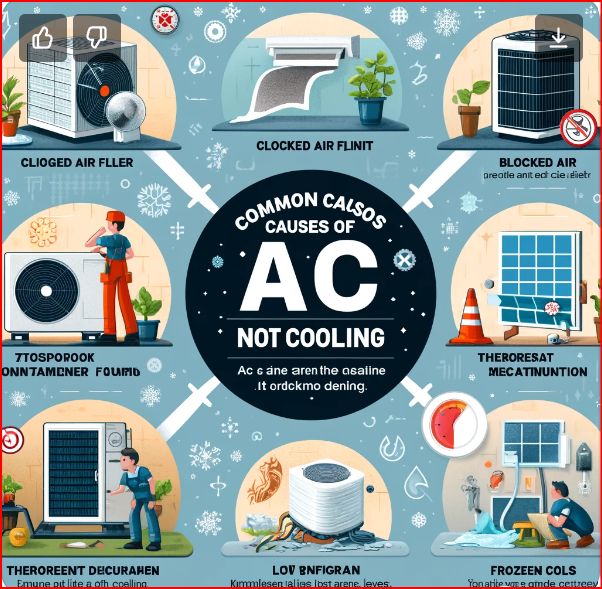
Outdoor Unit Shenanigans: Is the AC's Sunbathing Spot Cluttered?
Head outside to your big, noisy outdoor unit – the one that looks like a giant metal box. This is where your AC unit releases all the heat it's pulled from inside your home. It needs clear space to do its job effectively, like a superhero needs room to flex!
Take a peek around it. Is it surrounded by overgrown bushes, tall weeds, or perhaps a rogue trampoline? Any obstructions within a couple of feet can choke off its ability to dissipate heat. Clear away any leaves, grass clippings, or other debris that might be clinging to its sides.
Sometimes, simply giving the unit a gentle spray with a garden hose can do wonders. Just be sure to spray from the top down, carefully rinsing away any accumulated dirt and dust from its fins. This allows it to "breathe" easier and work more efficiently.
When Things Get a Little Chilly (Literally!): The Ice Age Inside Your AC
The Frosty Surprise: A Frozen Evaporator Coil!
Remember that marathon runner struggling to breathe? If the airflow is severely restricted (hello again, dirty filter!), or if your AC is running low on its magical cooling fluid, the evaporator coil inside your indoor unit can get super, super cold. So cold, in fact, that it can turn into a giant block of ice!
This icy build-up acts like a solid wall, preventing any air from passing over it. So, even if your fan is whirring away, it's just blowing air over ice, not through it, resulting in no cool air whatsoever. You might even see water dripping from your unit as the ice melts!
If you suspect a frozen coil, the best thing to do is turn your AC system off at the thermostat and switch the fan to the "on" position (not "auto"). This will help melt the ice with room temperature air. Let it thaw completely, which might take several hours, before trying to run the AC again.
"Your evaporator coil should be cool, not a popsicle from a winter wonderland!"
The Case of the Missing Cool: Low Refrigerant
Refrigerant is the lifeblood of your AC system, the special fluid that absorbs heat from inside your home and releases it outside. It's not something that gets "used up" like gasoline; it circulates in a closed loop. So, if your refrigerant is low, it means you have a leak.

A leak is like a tiny, invisible hole in a tire – slowly, steadily, the pressure drops. When your AC doesn't have enough refrigerant, it simply can't effectively transfer heat. You'll often notice your AC running for a very long time but still not cooling your home properly, sometimes even blowing somewhat cool air but never quite reaching the desired temperature.
While some folks might be tempted to simply "top up" the refrigerant, this is a bit like putting a bandage on a gushing wound. The leak needs to be found and repaired first! This is definitely a job for the pros, as handling refrigerant requires specialized tools and training.
The Silent Saboteurs: When Parts Go Rogue
The Zzzzz... of the Capacitor
Think of the capacitor as the AC's super-caffeinated starter pistol for its motors. Both your outdoor unit's compressor and its fan motor need a little jolt of electricity to get going, and the capacitor provides that powerful surge. It's a hardworking little cylinder!
When a capacitor starts to fail, your AC might hum loudly but refuse to start, or the outdoor fan might just twitch a bit before giving up. Sometimes, the fan will start, but the main compressor won't, leaving you with just warm air being circulated.
Warning! Capacitors can hold a powerful electrical charge even after the power is off. This is absolutely NOT a DIY fix unless you are a trained professional. If you suspect a capacitor issue, it's time to call in the cavalry – a qualified HVAC technician.
"A faulty capacitor is like a car with a dead battery – all the right parts, but no 'oomph' to get going."
The Heartbeat Halts: Compressor Woes
The compressor is truly the heart of your AC system. It's a powerful pump that circulates the refrigerant throughout the system, putting it under pressure to make the whole cooling process happen. If the compressor isn't working, your AC is pretty much just an expensive fan.
You'll know if your compressor is failing because the outdoor unit might not be making its usual buzzing noise, or it might make strange grinding or clanking sounds. If the compressor is kaput, your AC simply won't be able to cool your home at all.
Unfortunately, a failed compressor is often one of the most significant and costly repairs an AC unit can face. It's a major operation, and sometimes, depending on the age of your unit, it might even be more economical to consider replacing the entire system.
Tiny Troubles, Big Headaches: Other Pesky Problems
Electrical Gremlins: The Tripped Breaker
Your AC unit draws a significant amount of electricity, especially when it first kicks on. Sometimes, due to an overload or an electrical hiccup, the circuit breaker dedicated to your AC unit in your home's electrical panel might trip. This is a safety feature, essentially shutting off power to prevent damage.
A quick trip to your electrical panel might reveal a switch that's flipped to the "off" position, or sometimes just halfway. Flipping it back on might instantly bring your AC back to life! Just make sure you understand which breaker controls your AC before you start flipping things willy-nilly.
However, if your breaker trips repeatedly, it's a clear sign of a more serious underlying electrical issue or a problem within the AC unit itself. Don't just keep resetting it; that's your AC trying to tell you something important. Call an electrician or HVAC professional to investigate.
Fan Fails: Indoor and Outdoor
Both your indoor and outdoor units rely on fans to do their jobs. The indoor blower motor fan is responsible for literally blowing the cool air from your ductwork into your rooms. If this fan isn't spinning, you won't feel any air coming from your vents, cool or otherwise!
The outdoor fan, on the other hand, works to pull air over the condenser coil to help release heat outside. If this fan isn't spinning, the outdoor unit will quickly overheat and won't be able to effectively cool. You might notice the compressor still trying to run, but with no fan, it's a losing battle against the heat.

Sometimes, leaves or debris can physically block the outdoor fan, preventing it from turning. Always check for obstructions. For indoor fan issues or persistent outdoor fan failures, a technician can diagnose and repair or replace the motor.
The Drip, Drip, Dread: Clogged Condensate Drain Line
As your AC cools your home, it also removes humidity from the air. This moisture collects in a pan and drains away through a condensate line, usually a PVC pipe. If this line gets clogged with algae or slime, the water backs up, and often a safety float switch will automatically shut down your AC to prevent water damage.
You might notice water pooling around your indoor unit, or simply find your AC has stopped working unexpectedly. Sometimes, a clogged drain line can be cleared with a wet/dry vac, but if you're unsure or it keeps recurring, a professional can properly flush and clean it, possibly even adding a preventive treatment.
So, What's Next When Your AC is Playing Hard to Cool?
Phew! That was quite the detective journey, wasn't it? The good news is that many common AC problems have straightforward solutions. You've now got an impressive arsenal of checks you can perform yourself, from ensuring your thermostat is set correctly to giving your air filter a much-needed makeover.
If, after checking these simpler culprits, your AC is still stubbornly refusing to chill out, it's probably time to call in the experts. Issues like refrigerant leaks, failing capacitors, or a struggling compressor definitely require the skilled hands of a qualified HVAC technician. They have the tools and know-how to safely diagnose and repair more complex problems.
Don't sweat it too much! With a little know-how, you can often pinpoint the problem or at least give your AC hero a head start. Soon, you'll be back to enjoying that sweet, sweet arctic blast, feeling cool, comfortable, and completely victorious!
"You've got this! A little investigation can go a long way in bringing back the frosty vibes to your home."