
R Value Of Single Pane Glass

Ever sat on your couch on a chilly evening, wrapped in a blanket, and still felt a tiny shiver dancing down your spine, even though the thermostat says your house is toasty warm? You might have glanced towards your window and thought, "Brrr, it feels like the great outdoors is trying to sneak in right there!" Well, my friend, you've just had a close encounter with the magic (or lack thereof) of the R-value of your single-pane glass.
Don't let the technical-sounding name fool you. "R-value" is just a fancy way of saying how good something is at resisting heat flow. Think of it like this: your house wants to keep its cozy warmth inside during winter and its cool bliss inside during summer. The R-value tells you how well different parts of your house act as a bouncer, politely but firmly telling unwanted heat (or cold) to stay outside.
The higher the R-value, the better the material is at insulation. It's like comparing a flimsy, breezy summer t-shirt to a thick, woolly winter sweater. Which one keeps you warmer?
Must Read
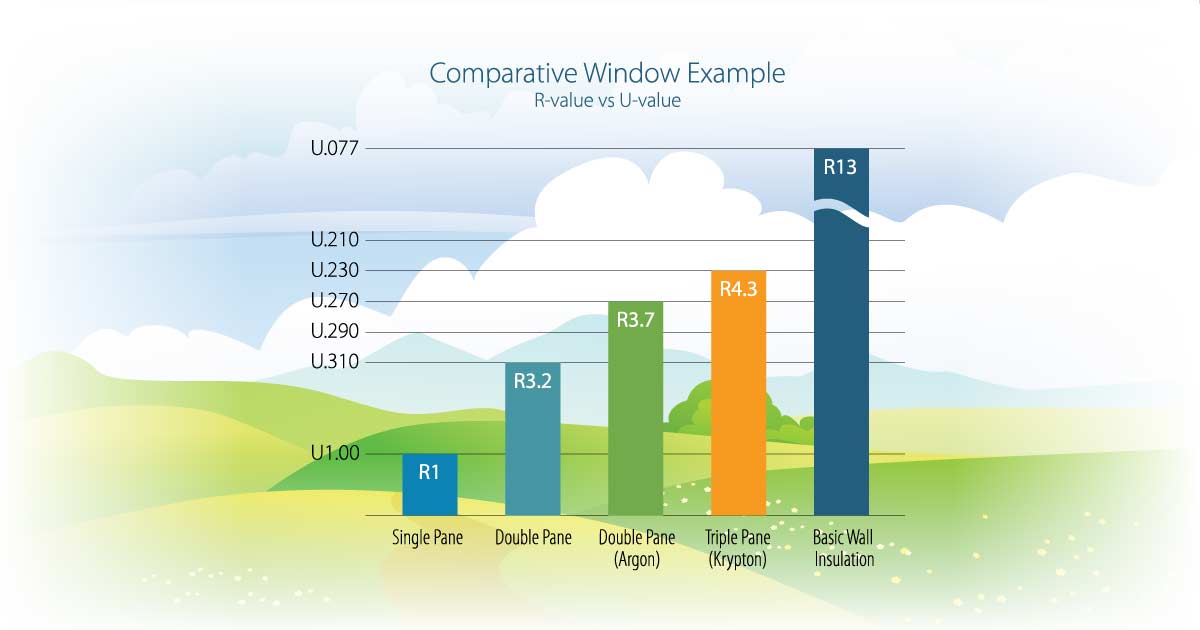
Now, let's talk about our star of the show: single-pane glass. Imagine your window is wearing that very thin summer t-shirt. A single-pane window typically has an R-value of around R-1. Yes, you read that right. One. To put that into perspective, a typical insulated wall in your house might boast an R-value of R-13 to R-20 or even higher. Your window, bless its heart, is basically a thermal sieve.
It’s like trying to keep a hot cup of coffee warm by putting a single sheet of tissue paper over it. Or trying to keep ice cream frozen by leaving it on the counter with a business card draped on top. It’s... not going to work very well, is it? Your single-pane window offers about as much resistance to heat flow as that tissue paper or business card does to coffee or ice cream.
Why Should We Even Care About This "R-1" Business?
You might be thinking, "Okay, so my window is a bit of a lightweight. So what?" Ah, but this is where the fun begins, and your wallet starts to pay attention. The low R-value of single-pane glass has a direct impact on a few things that touch our daily lives:
1. Comfort Levels (Or Lack Thereof!):
Remember that shiver? That's your comfort trying to escape! Single-pane windows are notorious for creating "cold spots" in a room during winter. The glass itself gets super cold, and that cold radiates into your room, making everything nearby feel chilly. In summer, the sun streams through, making that spot extra hot. You end up avoiding these areas, or worse, cranking up the heat or AC just to make the rest of the room comfortable.

2. Your Hard-Earned Money Flying Out the Window:
This is where the R-value really bites. Because single-pane glass is so poor at insulating, it's like having a giant, invisible hole in your wall. In winter, your furnace works tirelessly, burning fuel to create heat, only for a significant portion of that warmth to waltz right through those R-1 windows and wave goodbye. In summer, your air conditioner works overtime to cool your house, and guess what? That precious cool air is also making a quick exit through the glass. It's like trying to fill a bathtub with the plug out – you're constantly adding water (or energy) but never quite getting full. And all that extra effort means higher energy bills.
3. Little Stories You Might Recognize:
Have you ever noticed condensation building up on the inside of your windows on a cold morning? That's warm, moist air inside your house meeting the very cold surface of your single-pane glass. It’s a tell-tale sign that your window isn't doing its job insulating.
Or perhaps you’ve heard the faint hum of traffic or the neighbor’s dog barking a little too clearly through your window? Single-pane glass is also a poor sound barrier, meaning not only heat but also noise can easily travel through it.
Think of your home as a giant, cozy thermos. A good thermos keeps your coffee hot for hours because it has excellent insulation. Your single-pane windows are like tiny little holes poked all over your thermos, letting all the heat seep out. Your furnace or AC is constantly trying to plug those holes with more energy, running and running like a tiny hamster on a wheel, just to maintain a comfortable temperature.
So, How Can You Tell If You Have Single-Pane?
It's usually pretty easy! If you can only see one layer of glass, and especially if the glass feels very cold to the touch in winter or very hot in summer, you likely have single-pane windows. Sometimes, if you look at the edge of the glass (like where the window meets the frame), you might see a single thin sheet.
Knowing this isn't about shaming your windows, it's about empowerment! Understanding that your single-pane glass has a humble R-1 value means you can make informed decisions. Maybe it's time to consider an upgrade to double-pane or even triple-pane windows (which have significantly higher R-values – think nice, thick sweaters for your home!). Even temporary fixes like heavy insulated curtains, window film kits, or sealing drafts can make a surprising difference, turning your home from a leaky bucket into a much snugger space.
So, next time you feel a chill near your window, give a little nod to its R-1 status. It's not trying to be inefficient; it's just doing its best with what it's got. And now, you know exactly why it might be time to give it a little insulating upgrade!