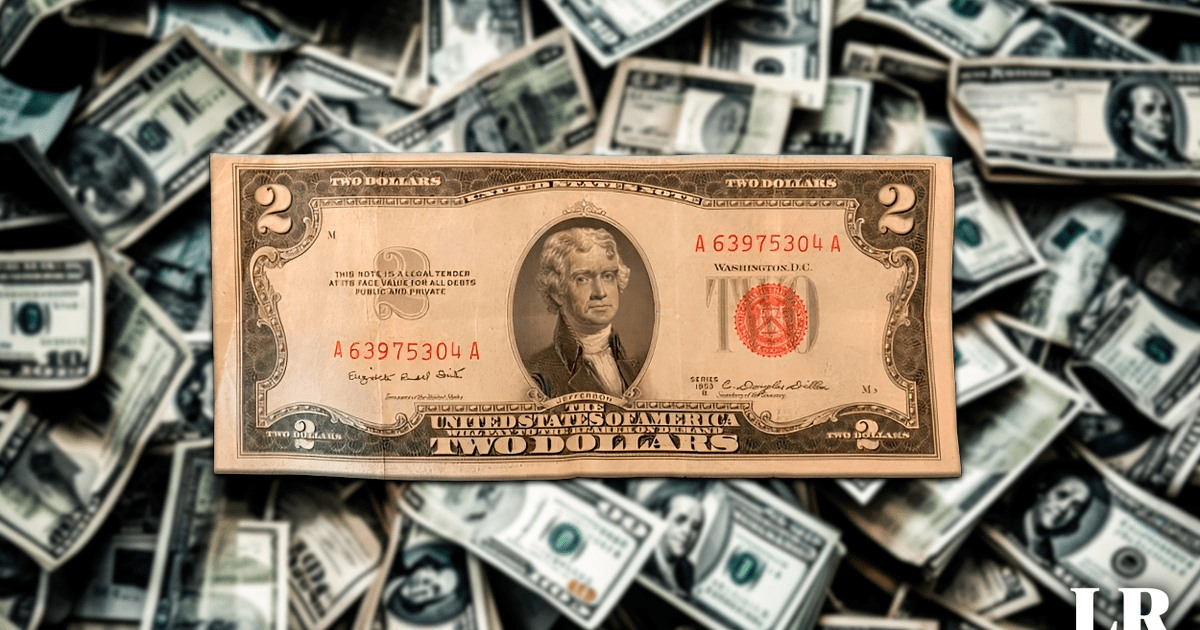
Que Valor Tiene Un Billete De 2 Dolares De 1976

Ever wondered if that oddball $2 bill hiding in your wallet is worth more than just, well, two dollars? The mystique surrounding the $2 bill is real! It's not every day you see one, which instantly makes them seem rare and valuable. And the 1976 series, specifically tied to the bicentennial celebration, only adds to the curiosity. So, let's dive into the fascinating world of the 1976 $2 bill and uncover its true worth!
The purpose of knowing the value of your $2 bill is pretty straightforward: knowledge is power! You might be sitting on a little treasure! Knowing whether your bill is just a neat collectible or a potential payday can inform your decisions. Should you spend it on a cup of coffee, tuck it away in a safe place, or perhaps even get it appraised? Understanding the factors that contribute to its value is the first step.
Okay, so what is a 1976 $2 bill worth? The answer, as with most collectibles, is "it depends!" The biggest factor is its condition. A crisp, uncirculated bill, looking as pristine as the day it rolled off the printing press, will naturally be worth more than a wrinkled, faded bill that's seen better days. Think of it like this: would you pay more for a brand-new car or a used one with dents and scratches?
Must Read
Generally speaking, a circulated 1976 $2 bill in fair condition is worth... about $2. Seriously! Unless it has a really low serial number (think something like 00000001) or a rare printing error, its face value is likely all you'll get. However, an uncirculated 1976 $2 bill can fetch a premium, usually ranging from $3 to $10, depending on its condition and the current market demand.
But what about those rare errors we mentioned? That's where things get really interesting. Printing errors, such as misprints, off-center images, or missing ink, can significantly increase the value of a bill. These errors are relatively uncommon, making them highly sought after by collectors. If you suspect your bill has an error, it's best to consult with a professional currency appraiser. They can help you determine its authenticity and potential worth.

Another factor that can influence the price is the Federal Reserve Bank it was issued from. Each bill has a letter and number code indicating which Federal Reserve Bank printed it. While not a huge factor for 1976 $2 bills, certain combinations, particularly those associated with lower production runs, might add a slight premium for serious collectors.
In conclusion, while most 1976 $2 bills aren't going to make you rich, they’re still a fun piece of history. Examine your bill closely! Look for crispness, unusual serial numbers, and any possible printing errors. Even if it's only worth a few extra dollars, it's a great conversation starter and a tangible reminder of America's bicentennial celebration. So, keep an eye out – you never know what treasures might be hiding in your wallet!