Pros And Cons To Solar Panels

Ah, the sun! That glorious orb in the sky that warms our skin, ripens our crops, and powers life on Earth. But what if it could do more than just that? What if it could also power your toaster, charge your phone, and keep your lights on? Enter the world of solar panels, the superhero cape for your home that promises to harness that abundant energy and turn it into something truly useful.
For many, the allure of solar panels isn't just about futuristic technology; it's about a tangible step towards energy independence and a lighter footprint on our planet. Imagine significantly reduced, or even eliminated, electricity bills each month, all while knowing you're contributing to a cleaner, greener world. This is the core promise and purpose of solar energy in our everyday lives. From the vast solar farms powering entire communities to the discreet panels on residential rooftops, or even those little solar chargers for your gadgets, the application is clear: capture sunlight, convert to electricity.
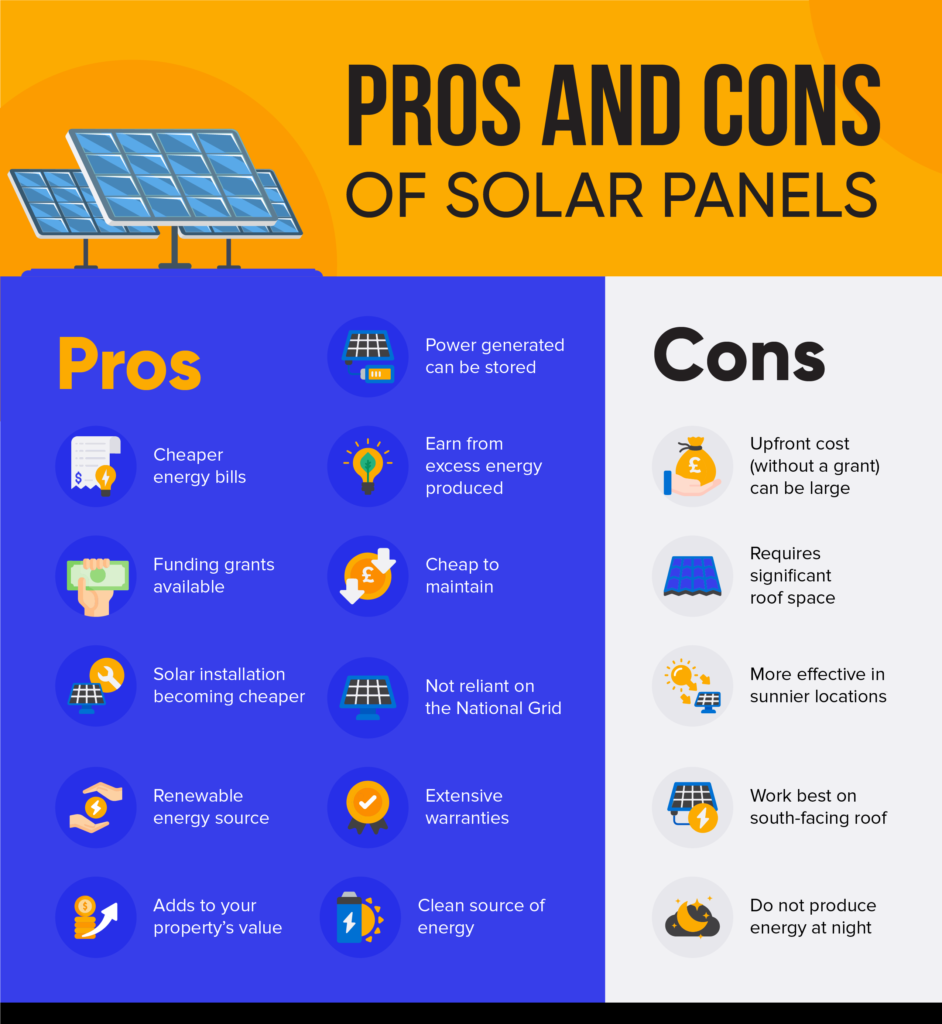
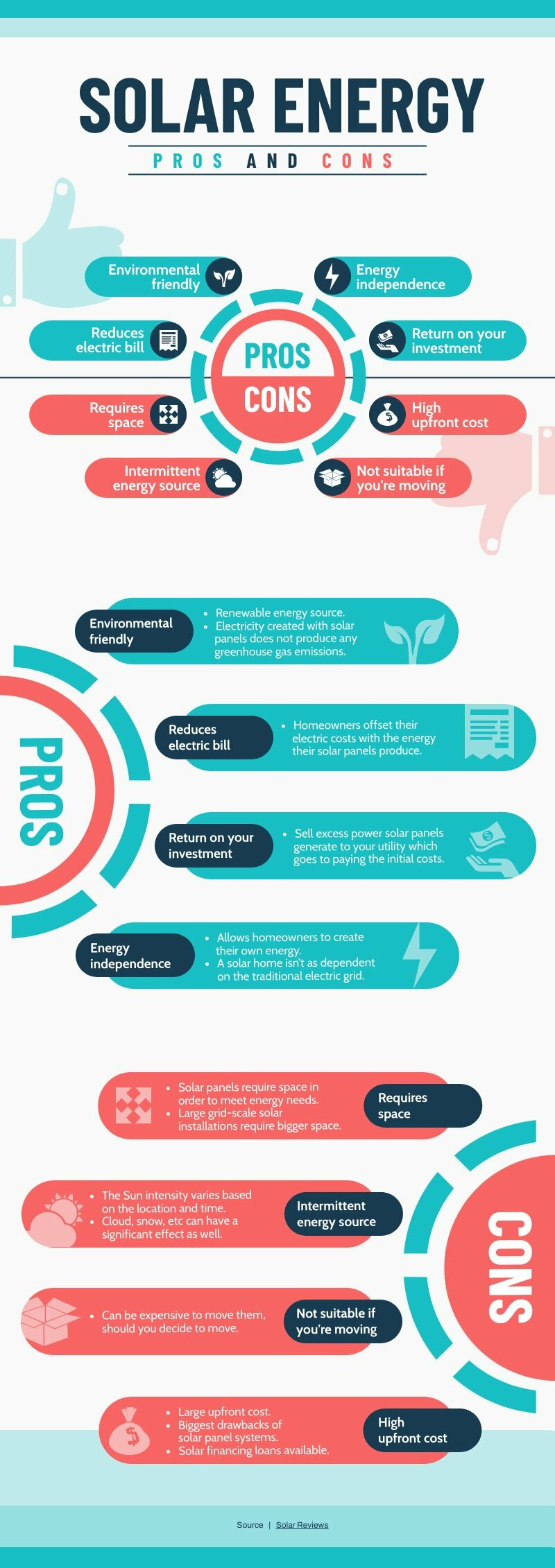
Now, let's shine some light on the pros. The most enticing benefit is often the long-term savings on your electricity bill. Once installed, the sun's energy is free! You'll also be actively reducing your carbon footprint, making a direct impact on environmental sustainability. Many homeowners find that solar panels increase their property value, making them a wise investment. Furthermore, various government incentives, tax credits, and rebates can significantly offset the initial cost, making the transition more accessible. Panels are also incredibly durable, often coming with warranties lasting 25 years or more, and require very little maintenance beyond an occasional cleaning.
Must Read
However, like any big decision, there are cons to consider. The most significant hurdle for many is the upfront installation cost. While incentives help, it's still a substantial investment. Another key factor is intermittency; solar panels don't produce power at night or on heavily overcast days. This means you’ll either need a battery storage system (adding to the cost) or remain connected to the traditional grid to draw power when the sun isn't shining. Some people also have aesthetic concerns about panels on their roof, and not all roofs are ideal – factors like significant shading, roof age, and orientation play a crucial role. The "payback period," or how long it takes for your savings to recoup the initial investment, can also vary significantly.
So, how can you enjoy solar more effectively and make an informed decision? First, do your homework. Get multiple quotes from reputable installers. Research all available local, state, and federal incentives. Understand your current energy usage to properly size a system. Have a professional assess your roof's suitability for optimal sunlight exposure and structural integrity. Consider whether a battery backup system is right for your needs, offering true energy independence. While solar panels are a fantastic leap forward for many, remember that an informed decision is always the best decision for a brighter, more sustainable future.