Pros And Cons Of Smart Homes

Ever walked into a room and wished the lights knew you were there, or imagined your coffee brewing itself just as your alarm goes off? Welcome to the intriguing world of smart homes! It’s not just for sci-fi movies anymore; our houses are getting smarter every day, and exploring this trend is not only relevant but also a lot of fun. It opens up a whole new way to think about how we interact with our living spaces, making life potentially easier, more efficient, and even a little bit magical.
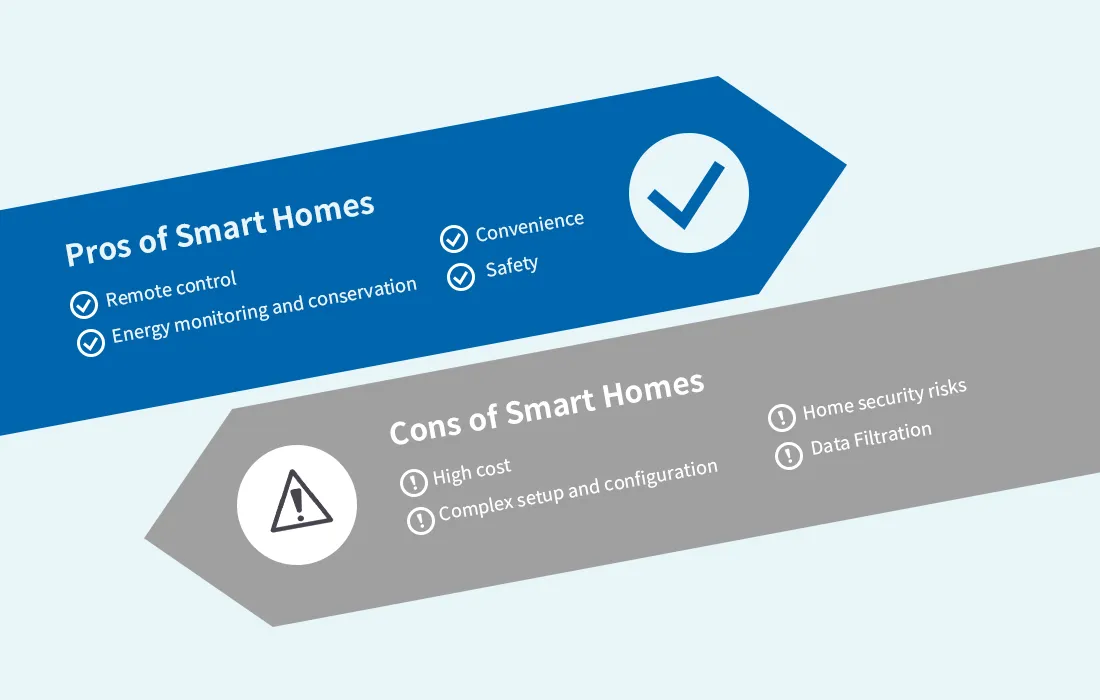
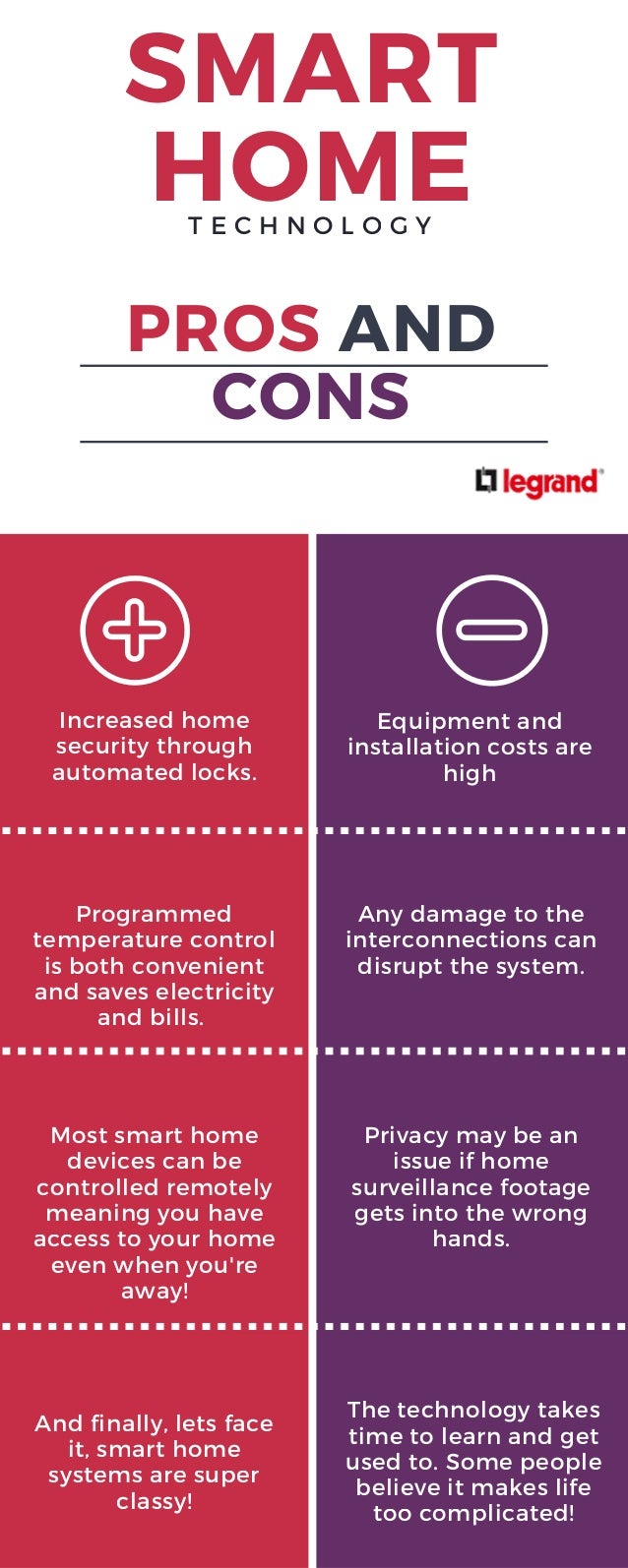
At its heart, a smart home aims to make your daily life more convenient and your living environment more efficient through automation. Imagine a house where devices communicate with each other and respond to your commands, your schedule, or even external factors like the weather. The biggest benefits often boil down to three things: convenience, energy saving, and enhanced security. With a smart thermostat, your heating adjusts itself based on your schedule and outside temperature, potentially shaving dollars off your energy bill. Smart lighting can turn on and off automatically, or even change color to match your mood, saving energy and adding ambiance. And for peace of mind, smart door locks, security cameras, and motion sensors can monitor your home 24/7, sending alerts directly to your phone.
Think about a typical day. In daily life, a smart home could mean waking up to gentle lights brightening gradually and your favorite news briefing playing from a smart speaker. When you leave, a single voice command or tap on an app can lock your doors, arm your security system, and turn off all non-essential lights and electronics. Coming home, your house can automatically adjust the thermostat to your preferred temperature and turn on exterior lights before you even step inside. For families, smart displays can act as kitchen companions for recipes, or even help kids with homework by answering questions through a smart assistant. It's about less hassle and more living.
Must Read
However, like any exciting new frontier, smart homes come with their own set of considerations, their cons, if you will. The initial cost can be a significant barrier, as smart devices often carry a premium price tag. Then there's the big one: privacy. Many smart devices collect data on your habits and preferences, raising questions about how that information is stored and used. What about security vulnerabilities? A smart home is only as secure as its weakest link, making it a potential target for hackers if not properly secured. And let's not forget the complexity; getting different brands and platforms to play nicely together can sometimes be a frustrating puzzle, and a loss of internet connection can render many smart features useless.
Feeling curious to dive in? Here are some simple ways to explore without overhauling your entire house. Start small! Grab a single smart plug – they're inexpensive and let you control any plugged-in device (like a lamp or coffee maker) with your phone or voice. Or, try a smart speaker like an Amazon Echo Dot or Google Nest Mini; they're great for playing music, setting timers, and controlling basic smart devices. Research compatibility before you buy, ensuring new gadgets will work with existing ones if you decide to expand. Most importantly, think about what little conveniences would genuinely make your life easier right now. That’s the best starting point for making your home a little bit smarter, one step at a time.