
Pros And Cons Of Renewable And Nonrenewable Energy
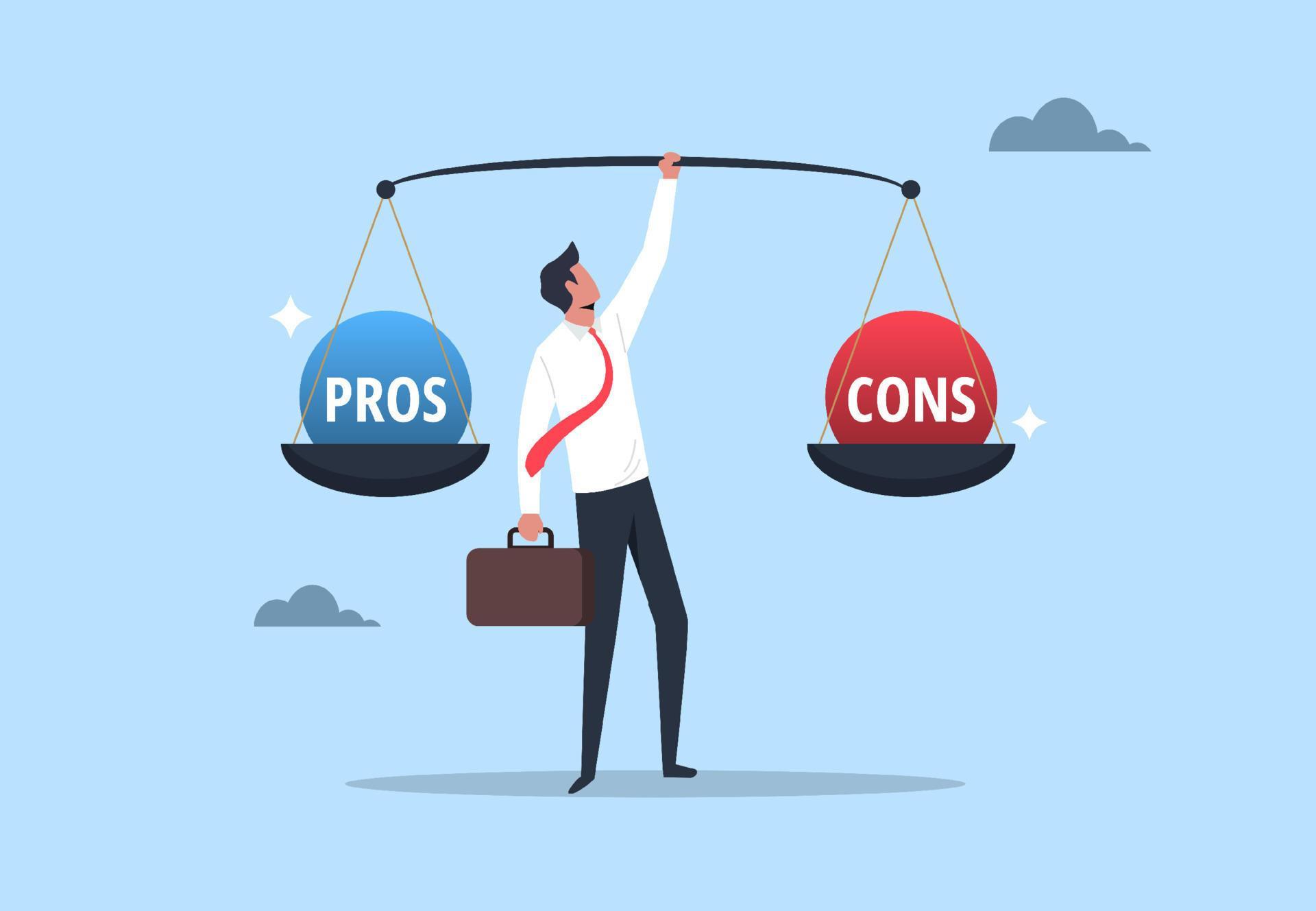
Hey! So, we're talking energy today. Big topic, right? But don't worry, we'll keep it light. Basically, it boils down to two teams: Renewable Energy vs. Nonrenewable Energy. Let's see what's cooking.
Renewable Energy: The Tree-Hugger's Dream (and Maybe Yours Too!)
Okay, picture this: sunshine, wind, water... all free! That's the gist of renewable energy. Think solar panels glinting in the sun or those majestic wind turbines. Sounds idyllic, doesn’t it? It almost makes you want to move to a remote island powered entirely by the sun.
Pros? Oh, where to begin? First off, they're, well, renewable! They won't run out. Unlike your patience when trying to assemble IKEA furniture. Plus, they're generally cleaner for the environment. Less pollution, fewer greenhouse gases... Earth gives a little sigh of relief.
Must Read
And hello, long-term cost savings! Yes, the initial investment can be a bit like buying a fancy espresso machine (expensive!), but after that, it's practically free energy! Just the sun, wind, and water doing their thing. Pretty neat, huh?
Cons? Sigh... nothing's perfect, is it? Renewables can be a bit…unpredictable. The sun doesn't always shine (especially on Mondays, it seems), the wind doesn't always blow, and rivers...well, you get the picture. This means we need backup plans and storage solutions – which can get pricey and complex. Think of it like trying to plan a picnic in England. You need a 'Plan B' for the inevitable rain.
Also, renewable energy infrastructure (solar farms, wind farms, hydroelectric dams) can take up a lot of space. And sometimes, those structures can impact wildlife. Nobody wants to accidentally inconvenience a family of squirrels!
Nonrenewable Energy: The Old Guard (Reliable, but a Bit...Dusty?)
Ah, the classics: fossil fuels (coal, oil, natural gas) and nuclear energy. These guys have been powering our world for ages. They’re the reliable old cars of the energy world. Maybe not the flashiest, but they get you from point A to point B. Most of the time.

Pros? Reliability is their middle name. Seriously. They can generate huge amounts of energy, and they can do it pretty consistently. Need power on a cloudy, windless day? Nonrenewables have got your back. They are readily available, or at least relatively easier to extract and process compared to setting up a massive solar farm in the desert.
Plus, we’ve already got the infrastructure in place to use them. Think power plants, pipelines, and all that jazz. Changing all that overnight would be like trying to retrain a cat. Not impossible, but…challenging.

Cons? Deep breath... The biggest downside? They're, well, nonrenewable. Meaning, eventually, they'll run out. Just like your favorite brand of cookies at the grocery store. This is also harmful to the environment. Burning fossil fuels releases greenhouse gases, which contribute to climate change. Not cool, Earth. Not cool. Also, extracting and processing these fuels can be messy and destructive to the environment.
And don’t forget nuclear waste! Safe storage is a real head-scratcher. No one wants radioactive material hanging around in their backyard (except maybe supervillains, but that’s another story).

So, What's the Verdict?
Honestly? There's no easy answer. Both renewable and nonrenewable energy have their pros and cons. The ideal solution probably involves a mix of both, with a gradual shift towards renewables as technology improves and costs come down.
Think of it like a balanced diet. You can't just eat cake all the time (as tempting as that sounds!). You need a bit of everything. Maybe the future is powered by the sun and a little bit of natural gas for those rainy days. Who knows? It's all very exciting, right?
And that, my friend, is the energy situation in a nutshell. Or maybe a coffee cup. Whatever works!