Pros And Cons Of Power Plants
Ever wonder what magical force lights up your phone, powers your fridge, or runs that super-fast Wi-Fi you can't live without? It's electricity, of course! And where does all that juicy energy come from? Yep, you guessed it: power plants. These often-massive, sometimes mysterious, facilities are the unsung heroes (and sometimes villains) of our modern world. Understanding them isn't just for engineers; it's for everyone because they profoundly impact our daily lives, our environment, and our future.
At their core, power plants have one magnificent mission: to generate electricity. They convert various forms of energy – from burning fuels to harnessing the sun or wind – into the electric current that zips through wires and into our homes, schools, hospitals, and factories. Without them, we'd be living in a very different, much dimmer world, quite literally. They are the backbone of our technological society, enabling everything from communication to advanced medical care.
The Bright Side: Pros of Power Plants
Let's kick things off with the good stuff! The biggest pro is, hands down, reliable energy. Power plants ensure we have a consistent supply of electricity, keeping our lights on, our businesses running, and our vital services like hospitals operational 24/7. They enable our modern way of life, from smart homes to advanced medical technology. Different types of power plants bring different benefits:
Must Read
- Fossil fuel plants (coal, natural gas) are excellent for their ability to quickly ramp up power generation to meet demand, and their fuel sources have historically been abundant and relatively inexpensive.
- Nuclear power plants offer enormous amounts of electricity with virtually no greenhouse gas emissions during operation, providing a powerful, stable energy base.
- Renewable energy plants (solar, wind, hydro) are fantastic for producing clean power, significantly reducing our carbon footprint, and helping us move towards a sustainable future. They also foster innovation and create new job sectors.
The Dark Side: Cons of Power Plants
But like any powerful tool, power plants come with a flip side. The most glaring con for many traditional plants is their environmental impact. Fossil fuel plants release greenhouse gases and pollutants into the atmosphere, contributing to climate change, acid rain, and air quality issues that can harm human health. While nuclear power is clean during operation, it produces radioactive waste that needs safe, long-term storage – a huge, ongoing challenge that sparks much debate.
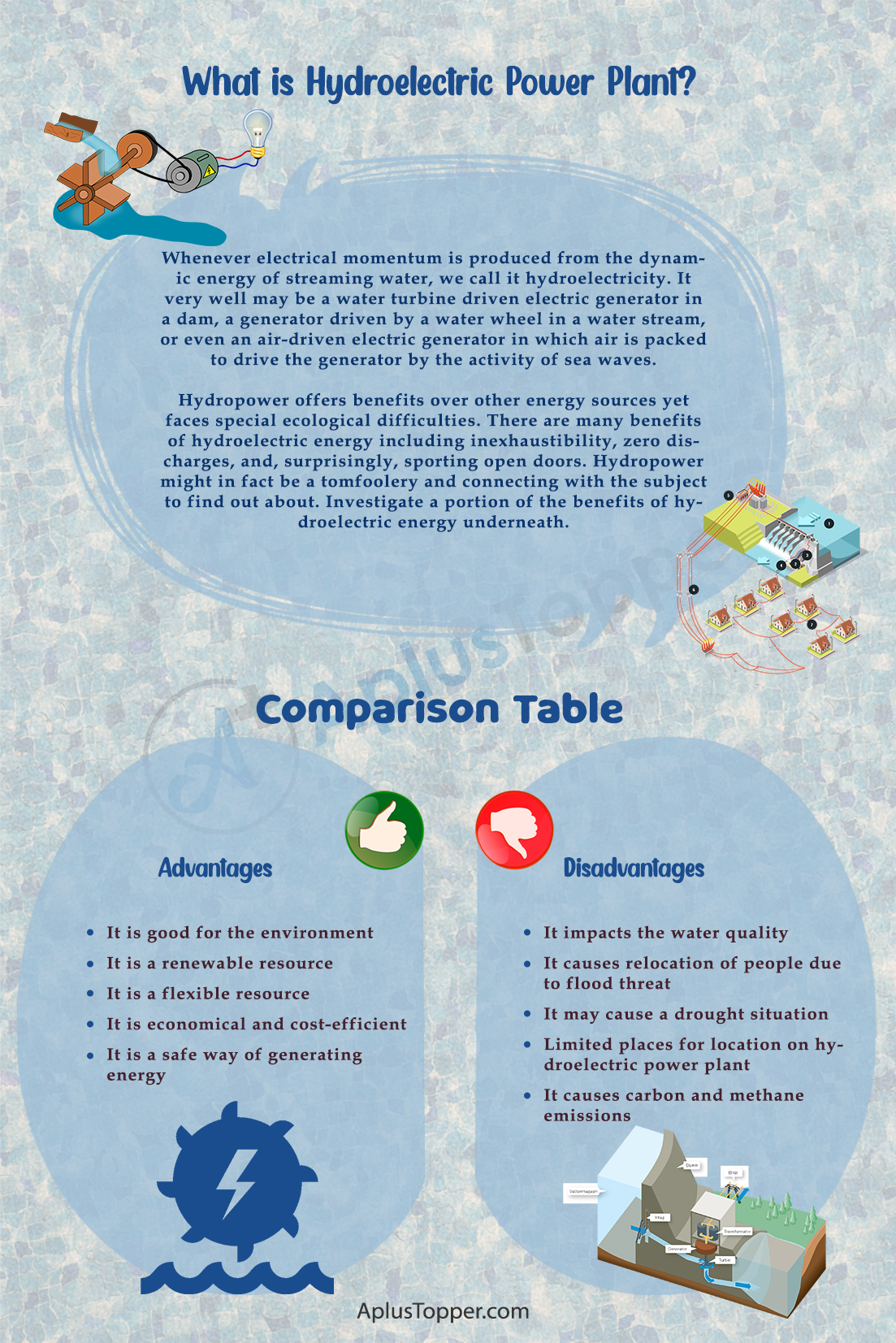
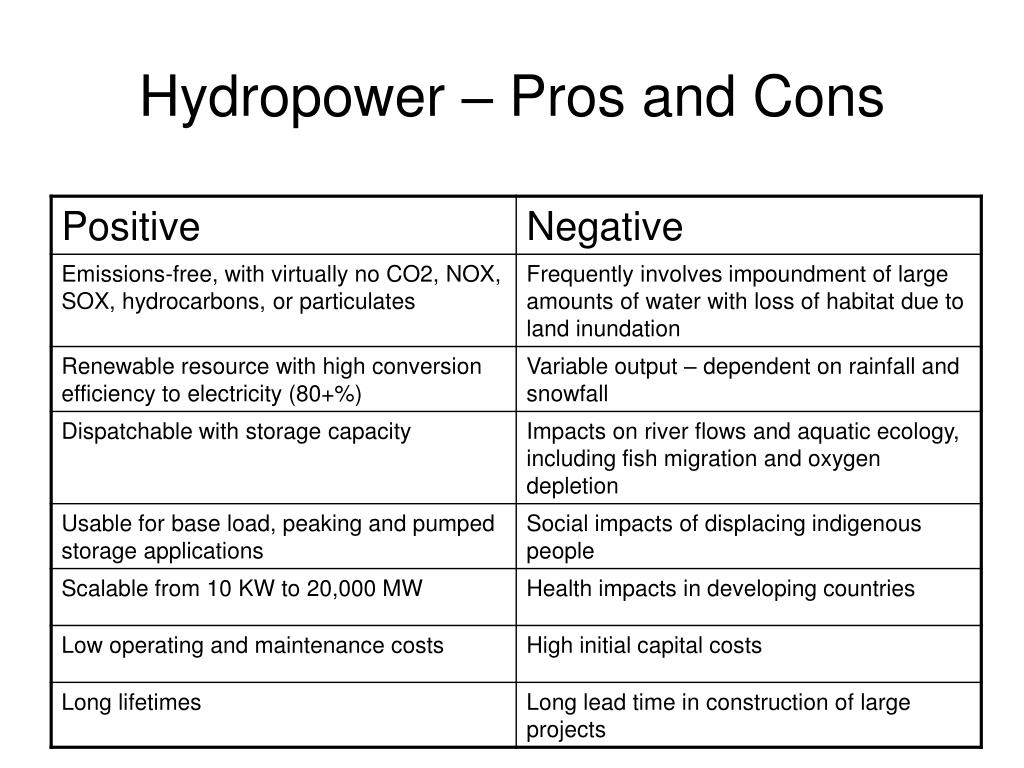
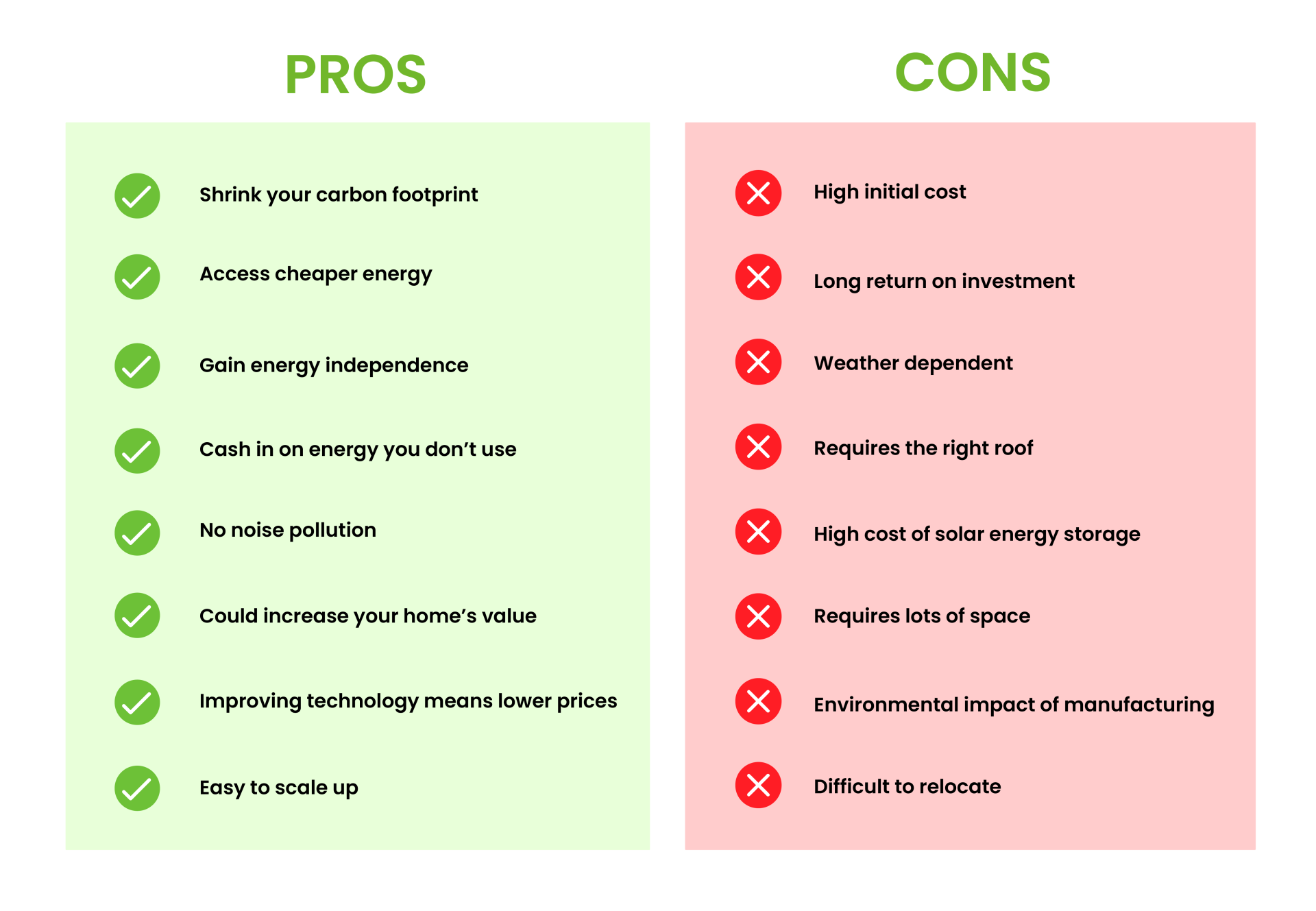
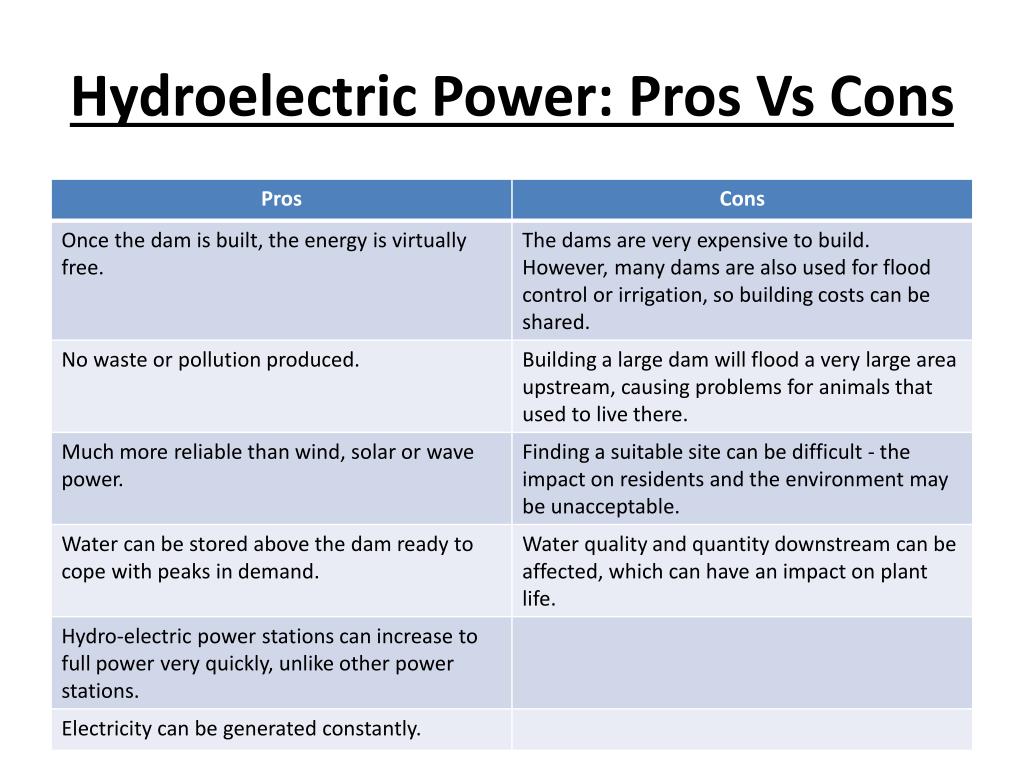
Even renewable energy plants aren't entirely without drawbacks; large-scale solar farms require significant land, wind turbines can impact local wildlife and landscape aesthetics, and hydropower can alter river ecosystems. There are also safety concerns; while rare, incidents at nuclear plants (like Chernobyl or Fukushima) show the catastrophic potential of system failures. Building and maintaining these colossal structures is also hugely expensive, and the reliance on finite resources for some technologies is a ticking clock.
So, there you have it – the mighty power plant, a double-edged sword of modern progress. They are absolutely essential for the world we live in, bringing us convenience, comfort, and technological advancement. But they also present complex challenges concerning our planet and future generations. The ongoing quest is to find the perfect balance: how can we keep our world powered up while also protecting it? It’s a conversation worth having, and one that truly powers our future.