
Pros And Cons Of Hydro Energy

Hey there, ever hit that moment when your phone battery dies just as you're about to snap the perfect pic? Or maybe the lights flicker during a big storm? We all rely on electricity, right? It's the invisible force that powers our lives, from that first morning coffee to binge-watching your favorite show late at night. But have you ever stopped to think about where all that juice actually comes from?
Today, we're going to chat about something pretty fascinating: hydro energy. Don't worry, it's not going to be a stuffy science lesson! Think of it more like a friendly catch-up over coffee, where we talk about one of nature's biggest powerhouses: water. Specifically, how we use the mighty flow of rivers to light up our homes. It's got some awesome upsides and a few things that make us go "hmm," just like everything else in life. And understanding it helps us all make smarter choices about our planet's future.
The Sunny Side of Hydro: Why We Love It
First off, let's talk about the good vibes. Hydro energy, at its core, is all about harnessing the power of moving water. Imagine a river cascading down a mountain – that's a whole lot of energy just waiting to be tapped!
Must Read
Clean and Green, Baby!
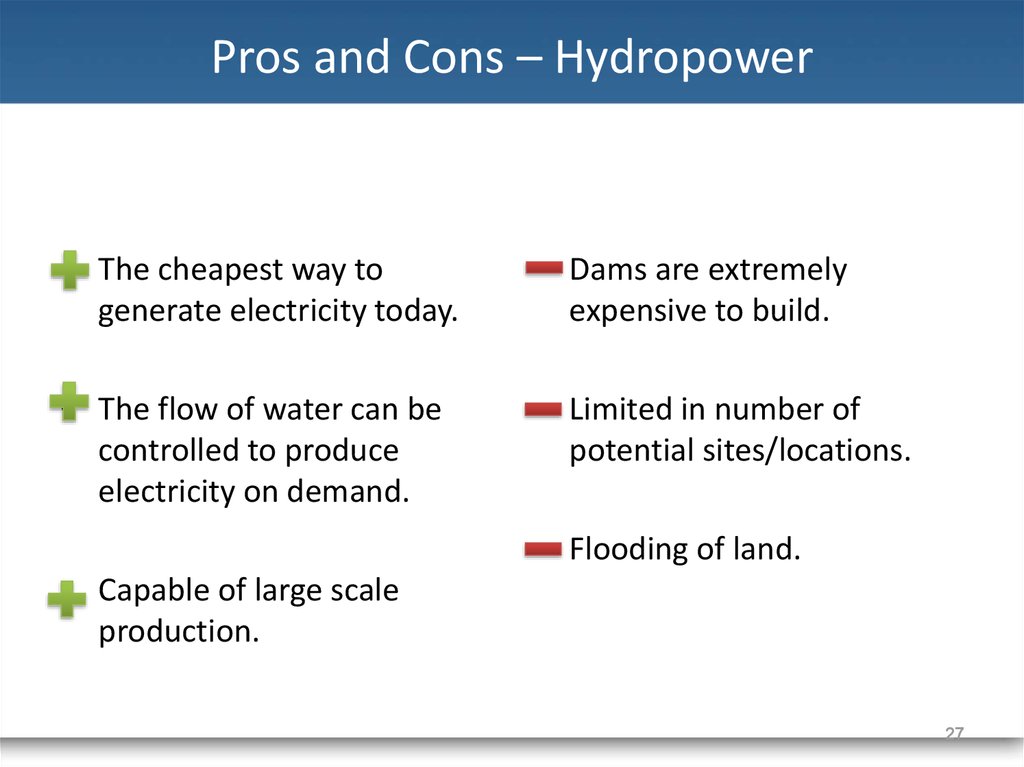
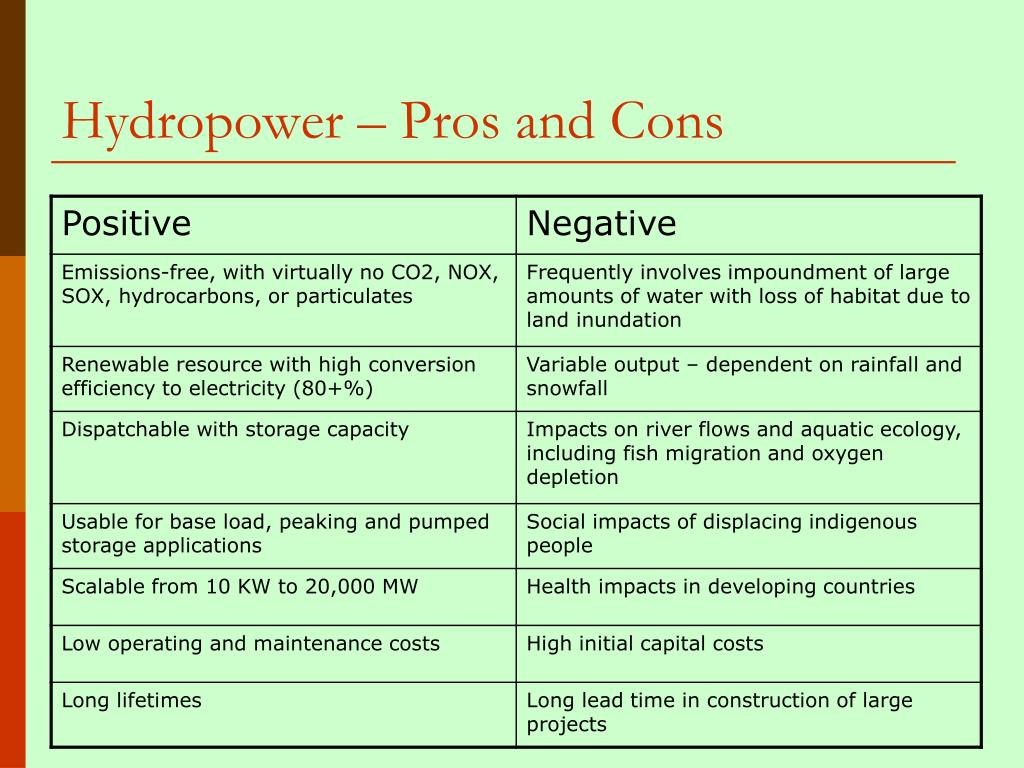
One of the absolute biggest wins for hydro is that it's super clean. Once a hydro plant is up and running, it doesn't burn fossil fuels like coal or natural gas. That means no smoky exhaust fumes pouring into our air. It's like having a giant, silent power generator that just needs water to keep spinning. Compared to other energy sources that pump out greenhouse gases, hydro is a breath of fresh air – literally!
It's Always There (Mostly!)
Unlike solar panels that go to sleep at night or wind turbines that need a breezy day, hydro power is incredibly reliable and consistent. As long as there's water flowing, electricity can be generated. It's like that super dependable friend who always shows up on time and never cancels plans. Plus, we can store water in reservoirs, which means we can decide when to release it and generate power. Need a sudden surge of electricity during peak demand? Just open the gates! It’s kind of like having a giant battery ready to go.

Renewable Forever!
Here's a cool thought: water is constantly being recycled thanks to Mother Nature's brilliant design. Rain falls, rivers flow to the ocean, water evaporates, forms clouds, and then rains again. It's a never-ending cycle! So, hydro power is a truly renewable resource. We're not going to "run out" of water like we will with fossil fuels. It's Mother Nature's own perpetual motion machine, and we're just along for the ride.
More Than Just Power
Dams and reservoirs, which are central to many hydro projects, offer some neat side benefits too. They can help with flood control, protecting downstream communities when heavy rains hit. They can also create massive lakes that are perfect for recreation – think boating, fishing, and swimming! And in many places, that stored water is essential for irrigation, helping farmers grow the food we eat. So, it's a bit of a multi-tasker, really!

The "Hmm" Side of Hydro: What to Consider
Okay, so it sounds pretty amazing, right? But like any good story, there are always a few twists. Hydro energy isn't without its challenges, and it's important to look at the whole picture.
Big Construction, Big Changes
Building a massive dam isn't like putting together IKEA furniture; it's a monumental undertaking. It requires a lot of land and a lot of concrete, which can have a significant environmental impact upfront. Rivers are delicate ecosystems, and suddenly building a huge wall across one changes everything. It's like your quiet neighborhood suddenly getting a massive highway built through it – things are just never quite the same.
Home Sweet Home… Gone
When you build a big reservoir, you're essentially flooding a valley. This often means that entire communities, historical sites, and vast natural habitats have to be moved or are lost forever. Imagine having to leave your family home, your town, and everything you know because of a big project. It's a truly heartbreaking side effect for many people and countless animals who call those areas home. This is often the most difficult and controversial aspect of large hydro projects.
Fishy Business
Dams can create a big headache for our finned friends, especially migratory fish like salmon. These fish have incredible journeys, swimming upstream to spawn, often following ancient pathways. A dam acts like a giant, impenetrable wall, blocking their way. While fish ladders and other clever solutions exist, they're not always perfect, and can seriously impact fish populations and the wider ecosystem. It's like blocking the main highway during a major holiday weekend – chaos ensues!
Drought Worries
Remember how we said hydro is super reliable? Well, that's true, as long as there's enough water. Climate change is bringing more extreme weather patterns, including longer and more severe droughts in some regions. If a river's flow significantly drops, so does its ability to generate electricity. It's like having a gas tank in your car, but the gas station is suddenly empty. It highlights how hydro, while renewable, isn't entirely immune to the whims of Mother Nature.
The Surprising Burp
Here's a lesser-known point: reservoirs, especially in warmer climates, can actually release methane, a potent greenhouse gas. This happens when organic matter (like trees and plants that were flooded) decomposes at the bottom of the reservoir without oxygen. So, while the plants themselves don't emit greenhouse gases directly, the decomposition in the artificial lake can cause a bit of an environmental "burp." Who knew a lake could burp, right?
So, Why Should YOU Care?
You might be thinking, "Okay, this is interesting, but what does it mean for me?" Well, every time you flip a light switch, charge your laptop, or even just keep your fridge cold, you're using electricity. And where that electricity comes from has a huge impact on our air, our water, and our planet's future.
Hydro energy isn't a perfect superhero, but it's certainly a strong contender in the fight against climate change, offering clean, reliable power. However, it also comes with big decisions about rivers, communities, and ecosystems. It's a balancing act, like trying to pick the perfect flavor of ice cream – you want something delicious, but you also want to make sure it agrees with you!
Understanding the pros and cons of hydro, and other energy sources, helps us have more informed conversations about the future of our power. It means we can ask smarter questions and advocate for solutions that benefit both people and the planet. Because ultimately, the energy choices we make today will power our world tomorrow. And that's something worth knowing about, don't you think?