
Pros And Cons Of Fossil Fuels
Ever stopped to think about the invisible threads that power your day? From your morning coffee brewed with electricity to that smooth car ride to work, fossil fuels have been the unsung — and often debated — backbone of our modern world. Let's peel back the layers and chat about the good, the bad, and the sometimes sticky reality of these ancient energy sources, all with an easy-going vibe.
It’s a topic that can feel heavy, but we're going to keep it light, sprinkled with some fun facts and practical tidbits. Because, let’s be honest, whether we love them or not, they’ve played a starring role in getting us where we are today.
The Upsides: Powering Progress (and Your Netflix Binge!)
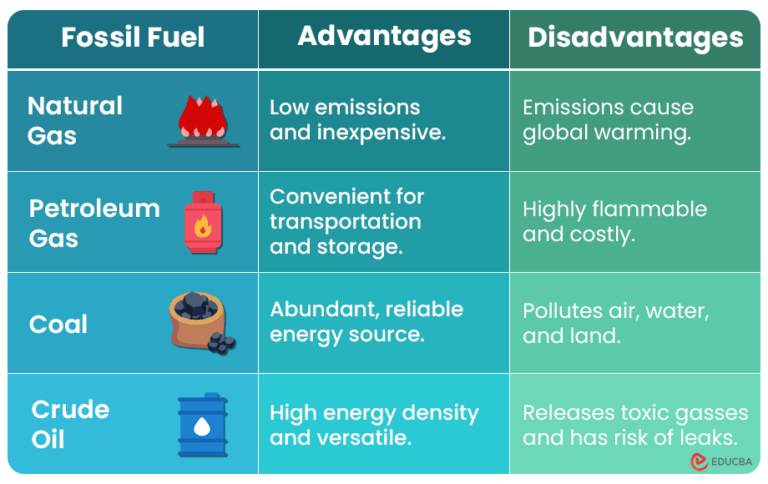
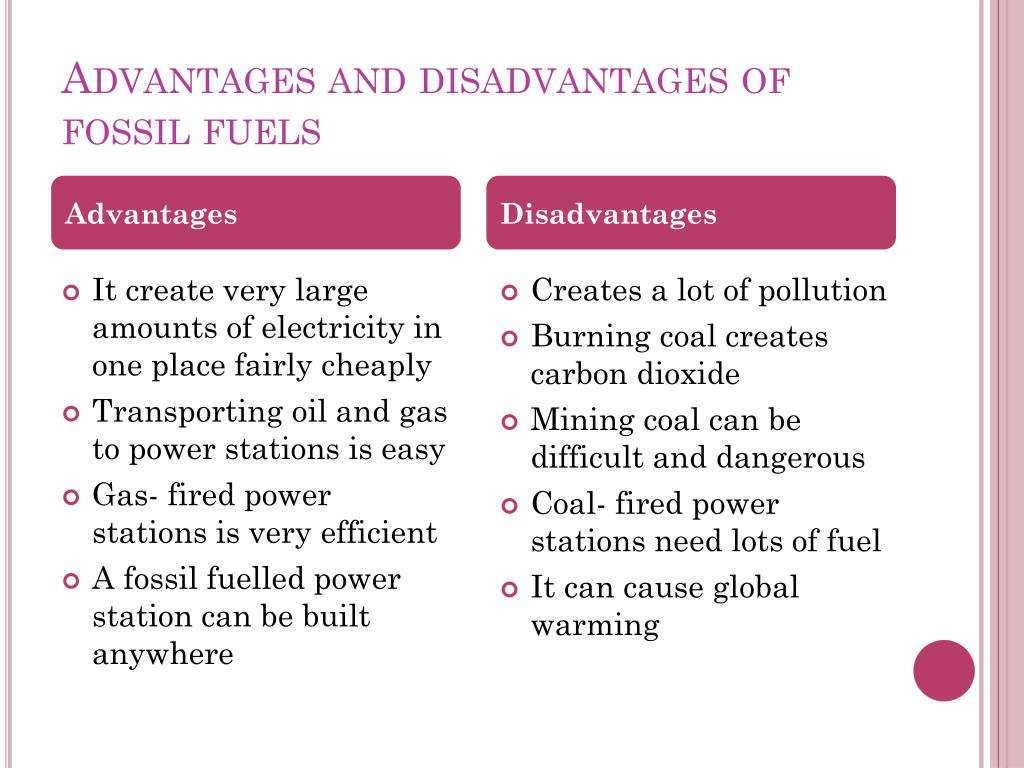
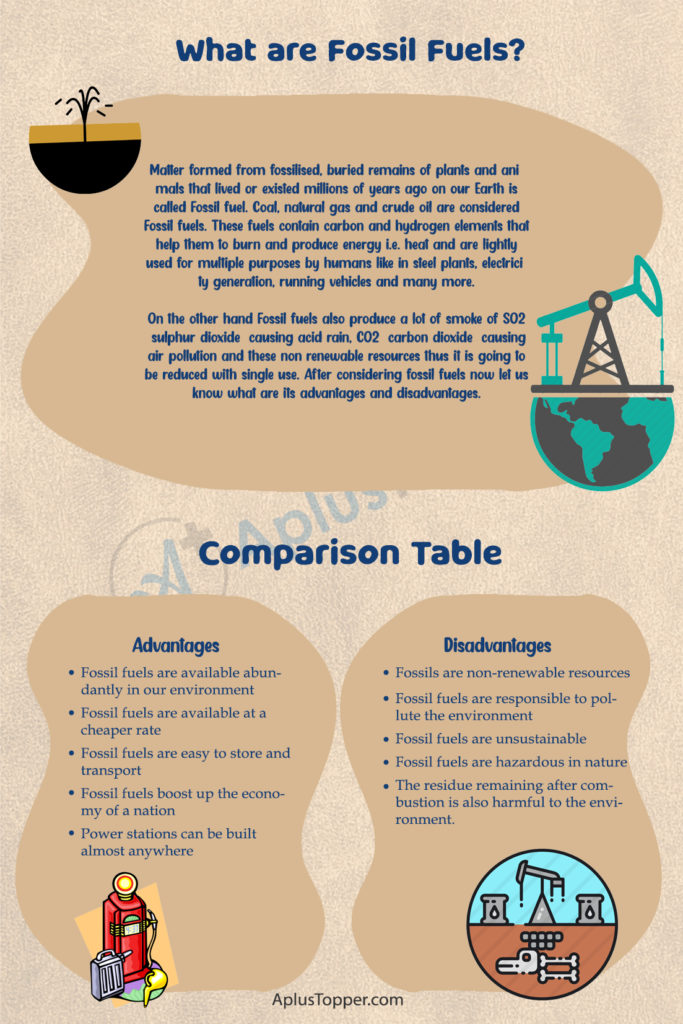
First up, let's give credit where credit is due. Fossil fuels – that’s coal, oil, and natural gas – have been absolute game-changers. They are incredibly energy-dense, meaning a small amount packs a huge punch. Think about it:
Must Read
Energy Galore: For decades, they’ve been the primary source for electricity, heating, and powering our transportation. Your phone charger? Your warm shower? The planes that whisk you away on holiday? All heavily reliant on fossil fuels. Imagine trying to power a data center (hello, Netflix!) or a hospital with just a few solar panels on a cloudy day. Their reliability has been key.
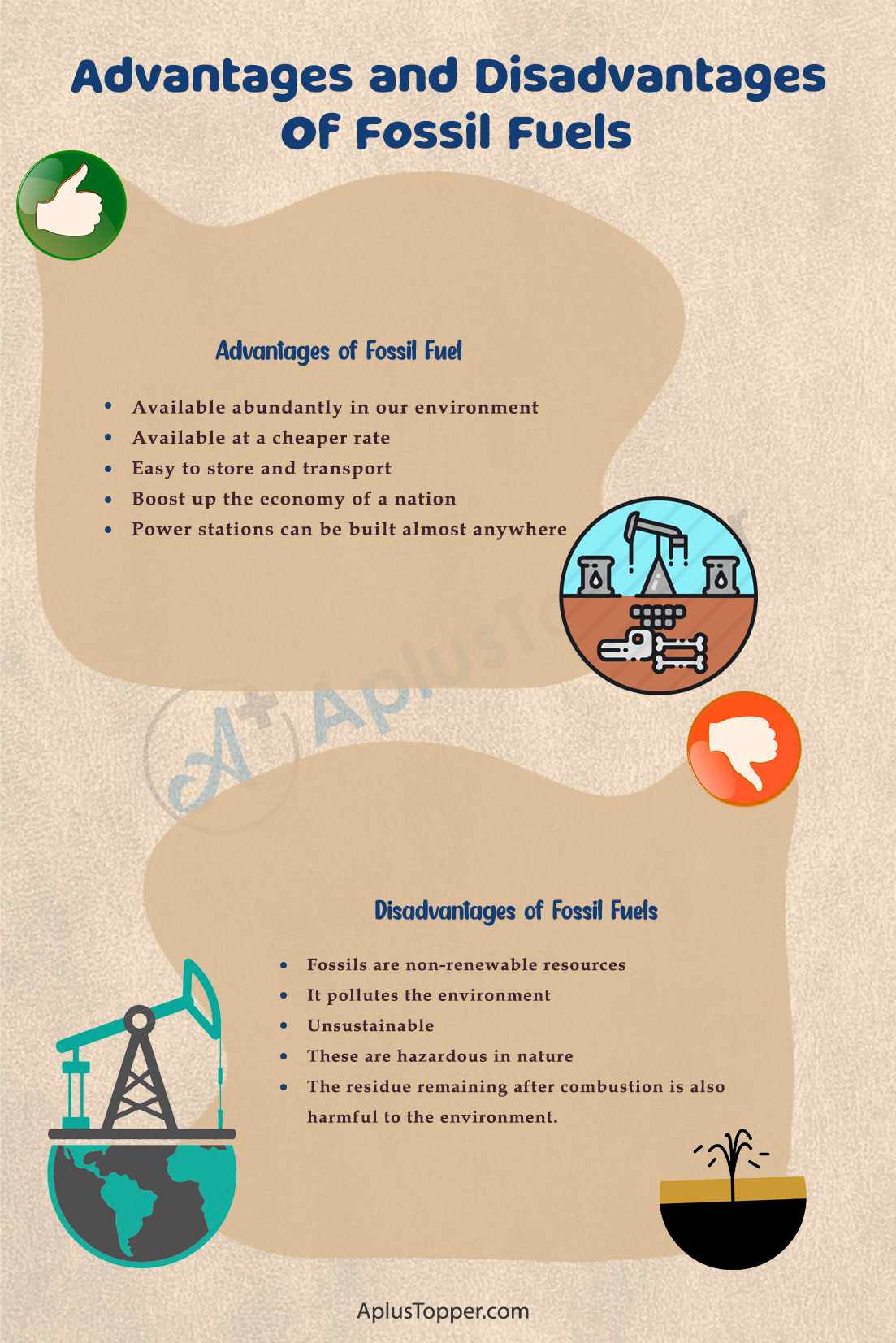
Affordability (Historically): For a long time, fossil fuels were relatively cheap and abundant to extract, making them an accessible energy source for industrialization and development across the globe. This affordability helped lift millions out of poverty by powering factories, farms, and homes.
More Than Just Fuel: Petrochemical Magic: This is where it gets really interesting! Fossil fuels aren't just burned for energy. They're also the raw material for petrochemicals. This means that plastic fantastic water bottle you're holding, the synthetic fabrics in your activewear, medicines, fertilizers that grow our food, even asphalt for roads – all come from oil and natural gas. Fun fact: The first widely used plastic, Bakelite, developed in the early 20th century, was derived from coal tar!
So, next time you put on your favorite fleece jacket or use a medical device, give a tiny nod to fossil fuels for their versatility beyond just keeping the lights on. It’s a bit mind-blowing, right?
The Downsides: The Cost of Convenience
Now, for the part of the conversation where things get a little more... complex. While fossil fuels have propelled us forward, they also come with some hefty environmental and social baggage.
Climate Change & Pollution: This is the big one. Burning fossil fuels releases greenhouse gases like carbon dioxide (CO2) into the atmosphere, trapping heat and leading to climate change. We’re talking rising sea levels, more extreme weather events, and disrupted ecosystems. Beyond climate change, burning these fuels also contributes to air pollution, leading to smog in cities and respiratory issues for people. Practical Tip: Keep an eye on your local air quality index – many apps offer this now!
Non-Renewable & Finite: Unlike sunshine or wind, fossil fuels are finite resources. They formed over millions of years from ancient organic matter, and once they're gone, they're gone. This scarcity can lead to concerns about "peak oil" and future energy security. It means we're essentially living off a planetary inheritance that won't replenish in our lifetime.
Geopolitical Tensions: Because these resources are unevenly distributed around the world, controlling access to them has historically been a source of conflict and political instability. Think about the global news; discussions around oil and gas often pop up when talking about international relations. It's a complex web where energy and geopolitics are tightly intertwined.
Ecological Damage: Beyond just burning, the extraction and transportation of fossil fuels can also wreak havoc. Oil spills in oceans devastate marine life, and mining operations can destroy landscapes and pollute water sources. It's a stark reminder that our energy choices have far-reaching consequences.
Finding Our Balance: A Daily Reflection
So, where does this leave us? It's clear that fossil fuels are a deeply integrated part of our past and present. They've given us incredible comfort and advancement, but at a growing cost to our planet and future generations. The conversation isn't about blaming, but about understanding and evolving.
The good news is that innovation is booming! We're seeing incredible advancements in renewable energy, electric vehicles, and sustainable practices. The shift away from fossil fuels isn't just an environmental necessity; it's an economic opportunity and a path towards a healthier, more stable world.
What can you do? It's not about ditching your car tomorrow, but perhaps being more mindful. Could you choose to walk or bike for short distances? Opt for public transport when possible? Consider reducing your overall energy consumption by unplugging unused electronics (vampire power is real!). Even small choices, like choosing energy-efficient appliances or supporting businesses committed to sustainability, contribute to the bigger picture. Every little bit of conscious living nudges us towards a future where our convenience doesn't come at such a high price for our planet. Your everyday decisions hold more power than you think!