Imagine a world where the lights suddenly flicker off, your phone goes dead, and your home feels like a giant ice cube in winter. For centuries, a humble rock, often called coal, has been the unsung hero, pulling us back from that dark, chilly brink.
It's a material that has powered revolutions, built cities, and heated countless homes, yet it carries a story as complex and layered as the earth it comes from.
Let's dig into the surprising pros and the serious cons of this fascinating black rock, often with a wink and a nod to the human spirit involved.
Think about flipping a light switch or plugging in your favorite gadget. For a long time, and still in many places today, that instant magic comes from coal-fired power plants.
It's incredibly reliable; we know where to find it, and we know how to turn it into electricity, giving us a stable energy source that’s hard to beat for sheer availability.
This steady supply of power helps run hospitals, factories, and keeps our digital world buzzing, making it a cornerstone of modern life.
Community and Courage: The Human Story
Beyond the power, there's a deep human story etched into every lump of coal. Mining isn't just a job; it's a way of life, passed down through generations in tight-knit communities.
Imagine the camaraderie of miners, often facing tough conditions together, relying on each other with their lives, forging bonds stronger than steel.
"You don't just work in a mine; you become part of a family down there," a retired miner from West Virginia once shared, highlighting the unwavering spirit.
These communities built around mines often showcase incredible resilience and a proud heritage of hard work, grit, and mutual support, which can be truly heartwarming.
Economic Engines and Surprising Side Benefits
Coal mining has historically been a massive job creator, providing livelihoods for hundreds of thousands of people, from the miners themselves to the engineers, transporters, and support staff.
These jobs ripple through local economies, boosting small businesses, schools, and essential services in what might otherwise be quiet towns.
Moreover, coal isn't just for burning. It's a key ingredient in making steel, cement, and even some pharmaceuticals, showing its surprising versatility in our everyday world.
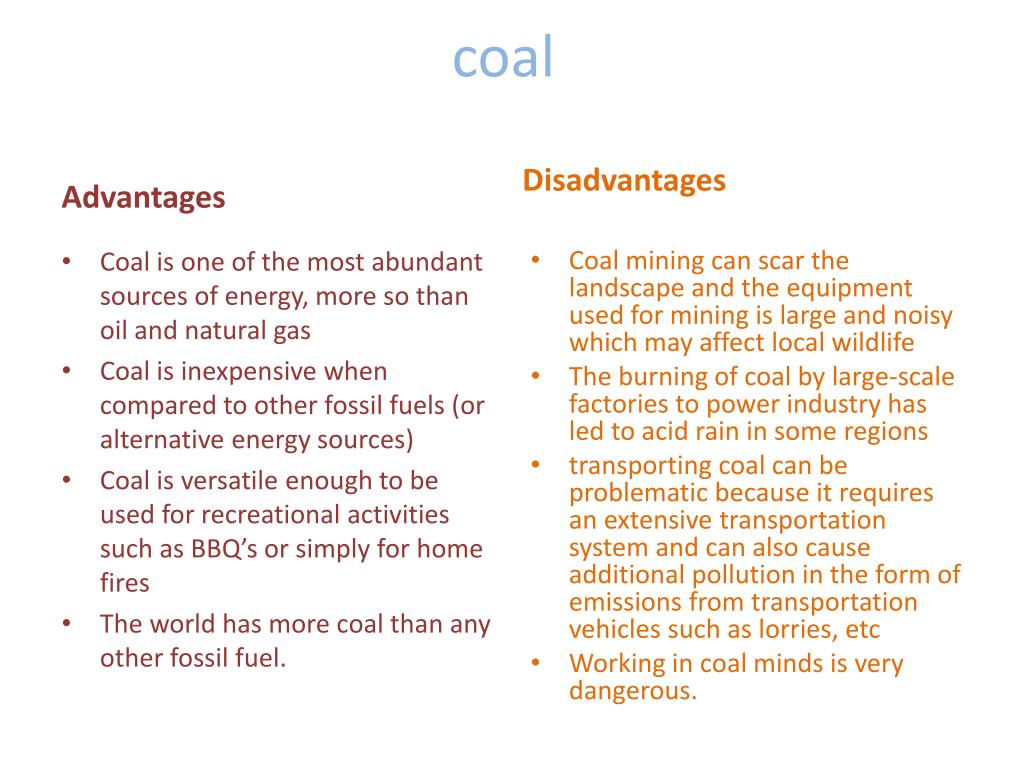
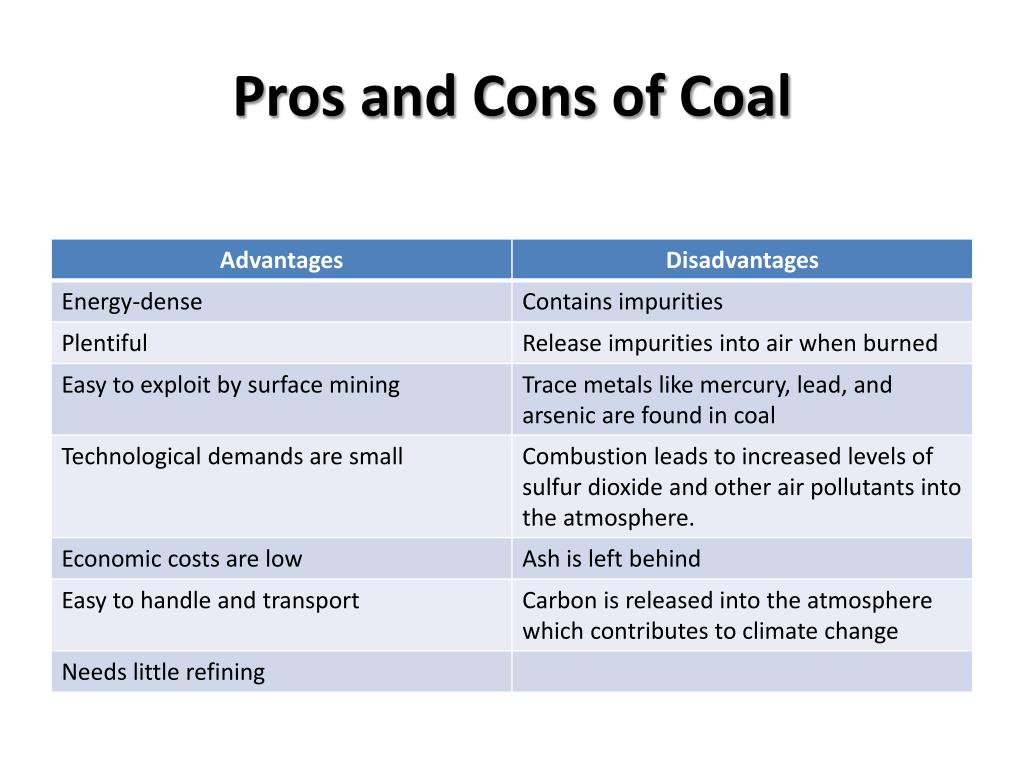
Pros And Cons Of Coal: 7 Advantages & Disadvantages
The Dark Side: When the Lights Dim
A Breath of Fresh Air? Not Always
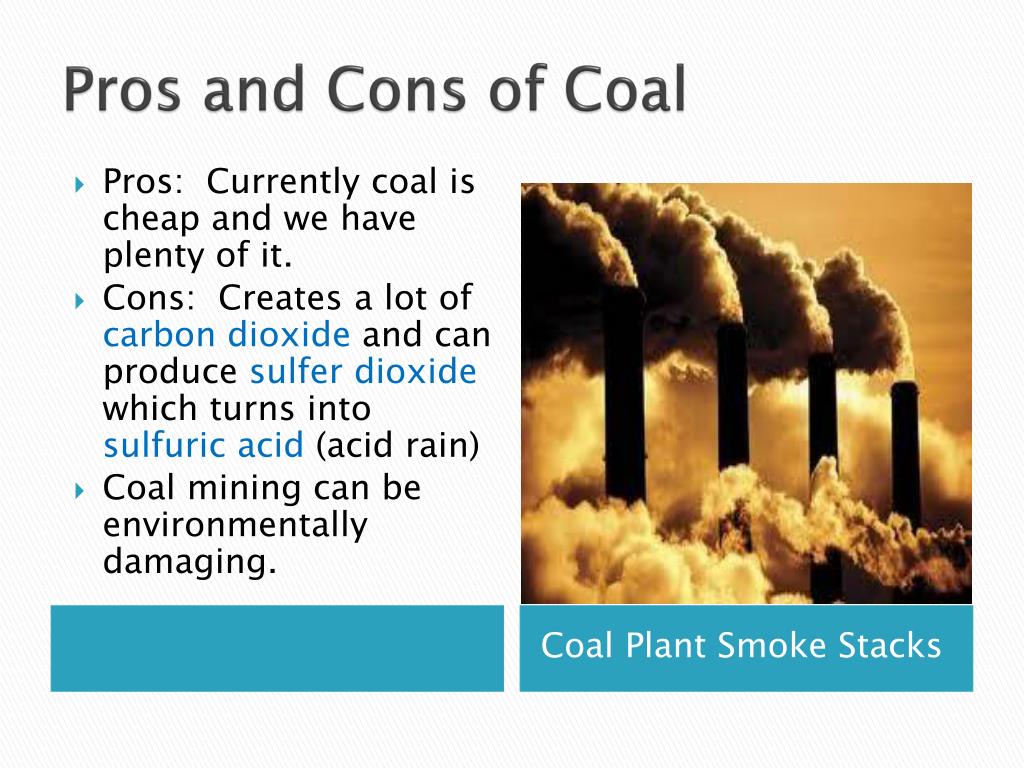
Now, for the less glamorous truth. When we burn coal, it releases things into the air that can make our beautiful blue skies hazy and even contribute to health issues like asthma and respiratory problems.
It's like having a giant, unseen exhaust pipe running constantly, affecting the air quality for everyone, sometimes hundreds of miles away from the source.
This atmospheric cocktail is also a major player in climate change, heating up our planet in ways that are causing surprising shifts in weather patterns and sea levels.
Digging Deep, Changing Landscapes
Getting coal out of the ground isn't always a gentle process. Sometimes, it involves literally moving mountains, a practice known as mountaintop removal, which completely changes the landscape.
This can disrupt entire ecosystems, displace wildlife, and permanently alter the beautiful natural scenery that once thrived there.
Even underground mining can lead to land subsidence, where the ground above the mine sinks, sometimes affecting roads and buildings in unexpected ways.
The Miner's Plight: A Tough Path
While we admire their bravery, the lives of miners have historically been fraught with danger and health risks. Think about the constant threat of accidents, from cave-ins to explosions, which are tragically part of the job.
Then there's the insidious black lung disease, a chronic illness caused by inhaling coal dust over many years, slowly stealing a miner's breath.
It's a somber reminder of the personal cost and sacrifice that goes into powering our modern world, highlighting the need for ever-improving safety and health standards.
Water Worries and Winding Down
Coal mining can also have a significant impact on local water sources. Runoff from mines can contaminate rivers and streams with heavy metals and acidic drainage, harming aquatic life and making water unsafe for communities.
PPT - World Energy and Their Sources PowerPoint Presentation, free
Cleaning up these polluted waterways is a massive and often humorous challenge, requiring innovative solutions that sometimes involve bacteria as tiny, unsung heroes.
And as the world shifts towards cleaner energy, many coal communities face the heartbreaking challenge of mines closing, leaving behind economic struggles and a search for new identities.
The Balancing Act: A Future in Flux
So, where does that leave us with our extraordinary, yet problematic, black rock? It’s clear that coal has been a fantastic workhorse, delivering power and prosperity for generations.
However, the environmental and health costs are increasingly hard to ignore, pushing us to find smarter, cleaner ways to power our world.
The story of coal isn't just about geology and economics; it's a testament to human ingenuity, community spirit, and our ongoing quest for a better, brighter future for everyone.
It’s a reminder that even something as simple as a rock can hold a complex narrative of progress, challenges, and the surprising resilience of both nature and humanity.