Pros And Cons Of 3d Printing
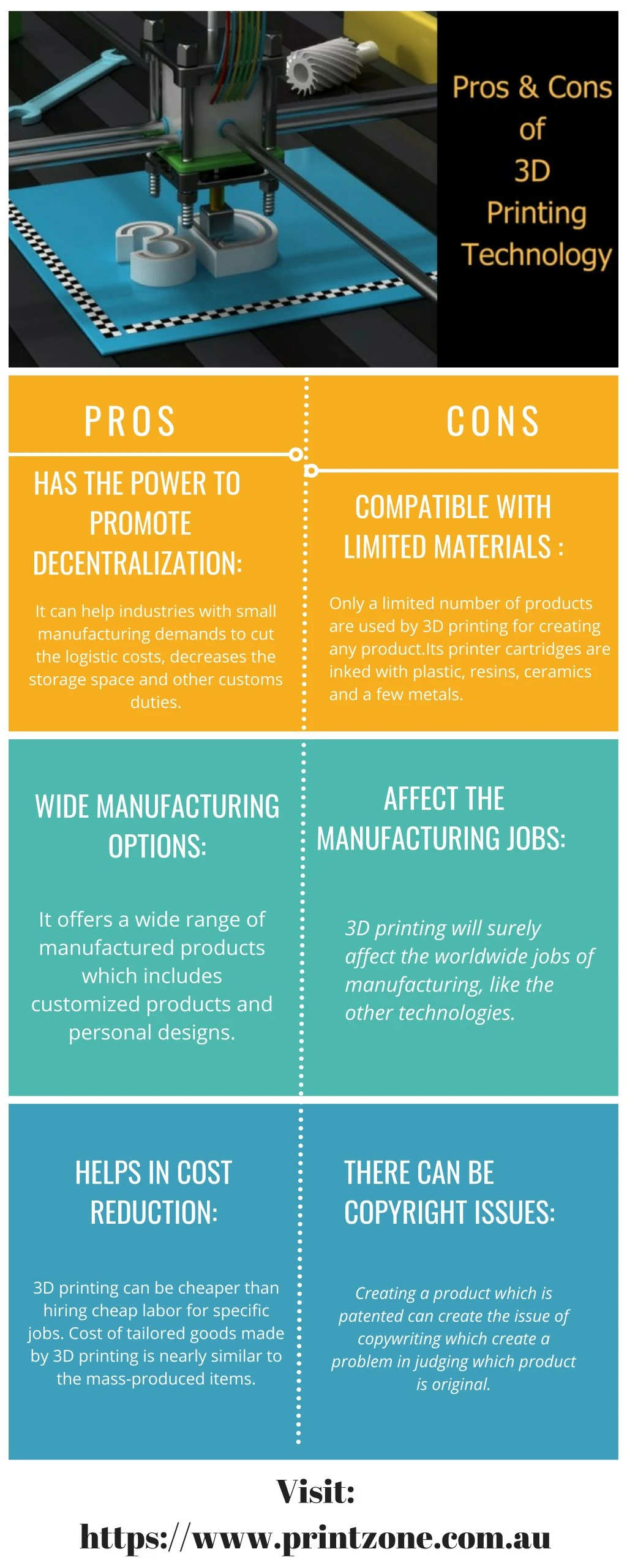
Have you ever dreamed of conjuring an object out of thin air, turning a mere idea into something tangible? That's the magical allure of 3D printing, a technology that has transitioned from the realm of science fiction to our very own tabletops. It’s like having a miniature factory in your home, capable of bringing your wildest creative impulses – or your most practical needs – to life, one layer at a time. People enjoy 3D printing because it offers an unparalleled sense of creation and customization, transforming digital designs into physical realities with a satisfying whir and hum.
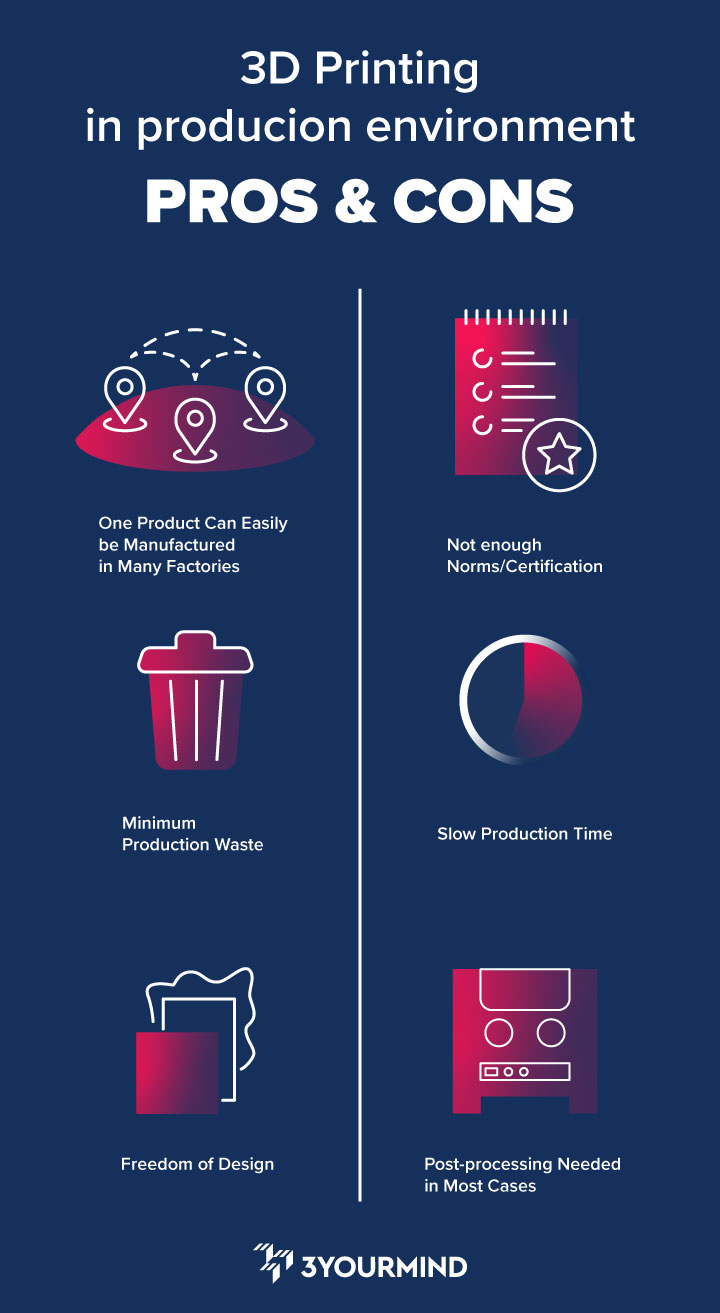
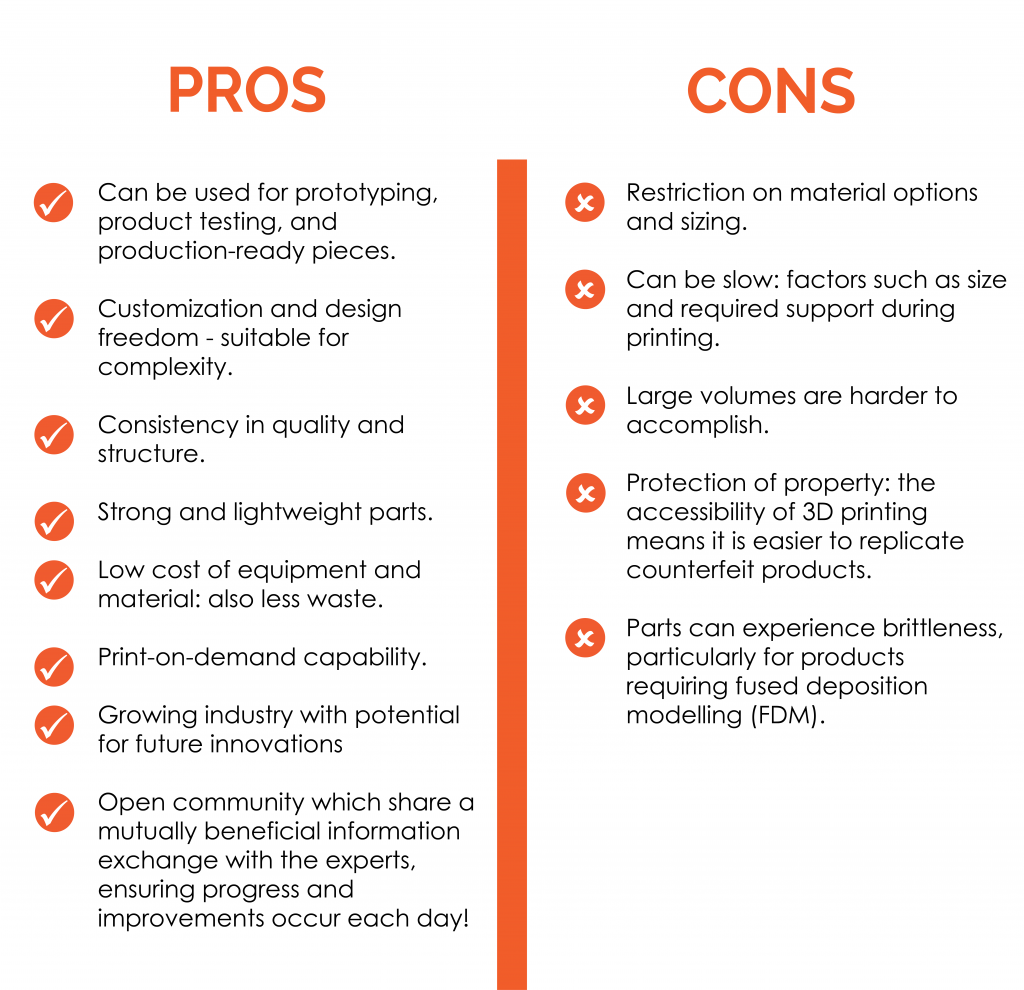
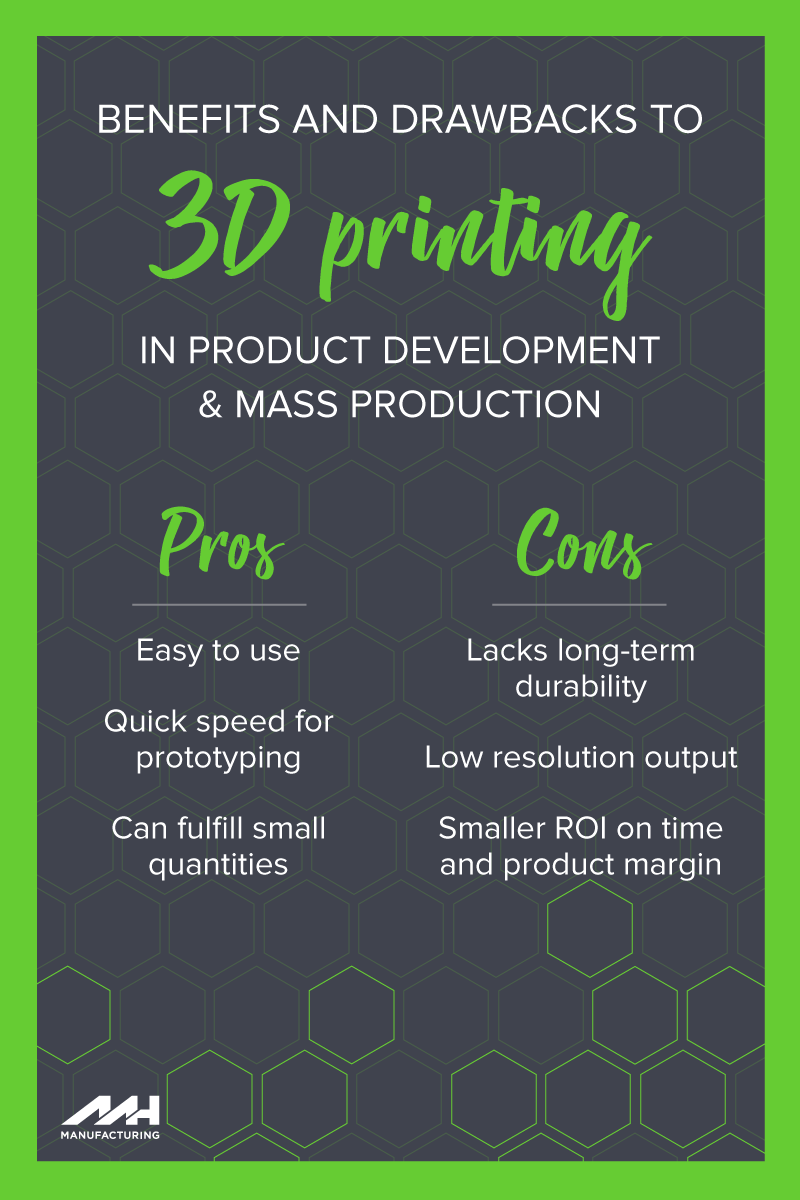
The benefits of 3D printing in everyday life are truly remarkable. Imagine needing a very specific, obscure part for an old appliance or a child's broken toy. Instead of scouring online marketplaces or resigning yourself to buying a whole new item, you can often print a replacement part. This not only saves money but also significantly reduces waste, extending the life of countless household items. It empowers individuals to become problem-solvers and creators, fostering a sense of self-sufficiency. From designing custom phone stands that perfectly fit your device, to creating unique organizers that tame desk clutter, the possibilities for practical applications are immense. For hobbyists, it's a game-changer, allowing them to rapidly prototype inventions, craft intricate cosplay props, or even produce personalized board game pieces that truly stand out.
However, like any powerful tool, 3D printing comes with its own set of challenges. One of the biggest cons is the steep learning curve. Getting started requires understanding software, filament types, and printer calibration, which can feel daunting for beginners. The initial cost of a decent printer and various filaments can also be a barrier. Then there's the element of time: some prints can take many hours, or even days, meaning you need patience and a good understanding of what you're trying to achieve. Material limitations are another factor; while plastics are common, printing with robust metals or flexible composites often requires more expensive, industrial-grade machines. And, let's be honest, there's always the occasional "failed print" – a tangle of plastic spaghetti – which can be frustrating and contribute to material waste if not managed carefully.
Must Read
Despite these hurdles, the joy of a successful print is incredibly rewarding. Common examples include personalized keychains, intricate figurines, bespoke tool holders, custom cookie cutters, and even functional prosthetics for pets. It’s a technology that truly democratizes manufacturing, putting the power of production into the hands of individuals.
To enjoy 3D printing more effectively, here are some practical tips: First, start simple. Don't attempt to print an elaborate, multi-part model as your first project. Begin with small, well-tested designs found on sites like Thingiverse. Second, join an online community or local maker space. The knowledge shared by experienced users is invaluable for troubleshooting and inspiration. Third, don't be afraid to experiment with different filament types – PLA is great for beginners, but PETG offers more durability, and TPU provides flexibility. Fourth, focus on utility and customization. While printing fun trinkets is great, using your printer to solve genuine problems or create truly unique items for your home will provide the most lasting satisfaction. Finally, remember that consistency is key; regularly maintaining and calibrating your printer will save you a lot of headaches in the long run. Happy printing!