Properties Of Alkali Metals And Alkaline Earth Metals

Ever wondered what makes fireworks colorful or why your phone battery lasts so long? A lot of it boils down to the fascinating world of chemistry, specifically, the properties of alkali metals and alkaline earth metals! It might sound intimidating, but trust me, understanding these elements can be surprisingly fun and useful, even in everyday life.
So, why should you care? Well, for beginners just starting to explore science, understanding these elements is like learning the alphabet of chemistry. They’re fundamental building blocks! For families, knowing a bit about these metals can make science projects at home more engaging and educational. Think building a simple circuit with a battery powered by lithium! And for hobbyists like gardeners or DIY enthusiasts, understanding how these elements interact with the environment can help you optimize plant growth or even build safer, more effective projects.
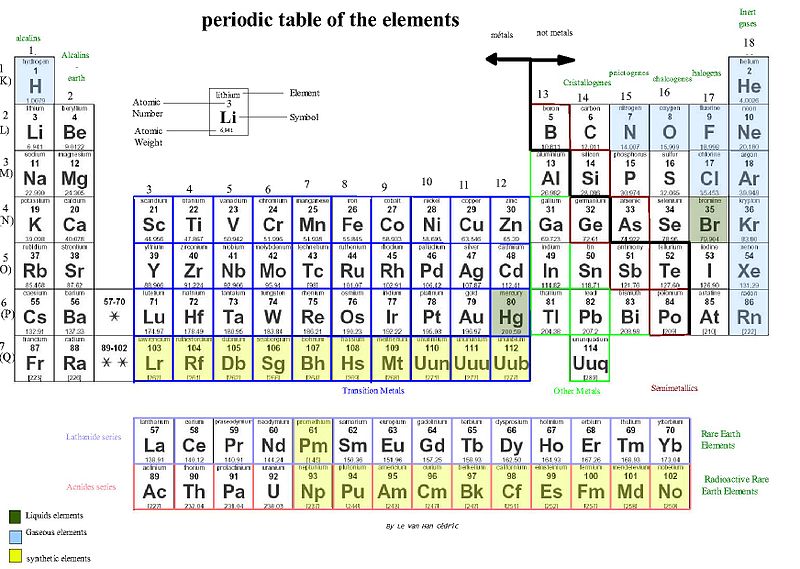
Let's break it down. Alkali metals (like lithium, sodium, and potassium) are located in the first group of the periodic table. They are incredibly reactive, meaning they love to combine with other elements. That's why they're never found in their pure form in nature. Think of sodium, which, when combined with chlorine, forms table salt (sodium chloride)! They are also soft, silvery metals that can be easily cut with a knife. Alkaline earth metals (like magnesium, calcium, and strontium) are in the second group. They're also reactive, but not quite as much as the alkali metals. Calcium, for instance, is crucial for strong bones and teeth. Magnesium is essential for plant photosynthesis, helping them create energy from sunlight.
Must Read
There are tons of interesting examples. Lithium is used in batteries that power our phones, laptops, and electric cars. Sodium is crucial for nerve function and fluid balance in our bodies. Potassium is essential for plant growth, so it's a key ingredient in many fertilizers. Calcium is not only in our bones but also used in construction materials like cement. Magnesium is used in everything from lightweight alloys for airplane parts to Epsom salts for soothing sore muscles.

Want to get started exploring these elements? Here are a few simple, practical tips:
- Look around your house: Identify products that contain these elements. Check the ingredients list of foods, supplements, and cleaning products.
- Do some online research: Explore websites like the Royal Society of Chemistry or Khan Academy for accessible explanations and interactive visualizations.
- Conduct safe experiments: With adult supervision, try a simple experiment like dissolving Epsom salts (magnesium sulfate) in water and observing its effects on plant growth. Always prioritize safety!
Exploring the properties of alkali and alkaline earth metals doesn't have to be a chore. It's an opportunity to discover the magic behind everyday things. From the batteries that power our devices to the nutrients that nourish our bodies and the environment, these elements play a vital role in our world. So, dive in, experiment, and enjoy the journey of discovery!