
Pro And Con Of Nuclear Energy
Hey there, ever find yourself scrolling through the news and stumble upon something about “nuclear energy” and think, “Hmm, that sounds… important, but also a bit like rocket science?” You’re not alone! It’s one of those big, grown-up topics that often feels like it belongs in a science textbook, not a casual chat over coffee. But guess what? It affects your life more than you might think, from keeping your fridge humming to charging your phone. And understanding it doesn't have to be a headache. Think of it like learning about a new, slightly quirky neighbor – a mix of really great qualities and a few things that make you raise an eyebrow.
So, let's pull up a virtual armchair and chat about the good, the tricky, and why this whole nuclear thing actually matters to you and me. No PhD required, promise!
The Sunny Side of Nuclear Power: What's to Love?
Let's start with the good news, because who doesn't love good news? Nuclear energy has some serious superpowers that make it a pretty compelling player in our energy mix.
Must Read
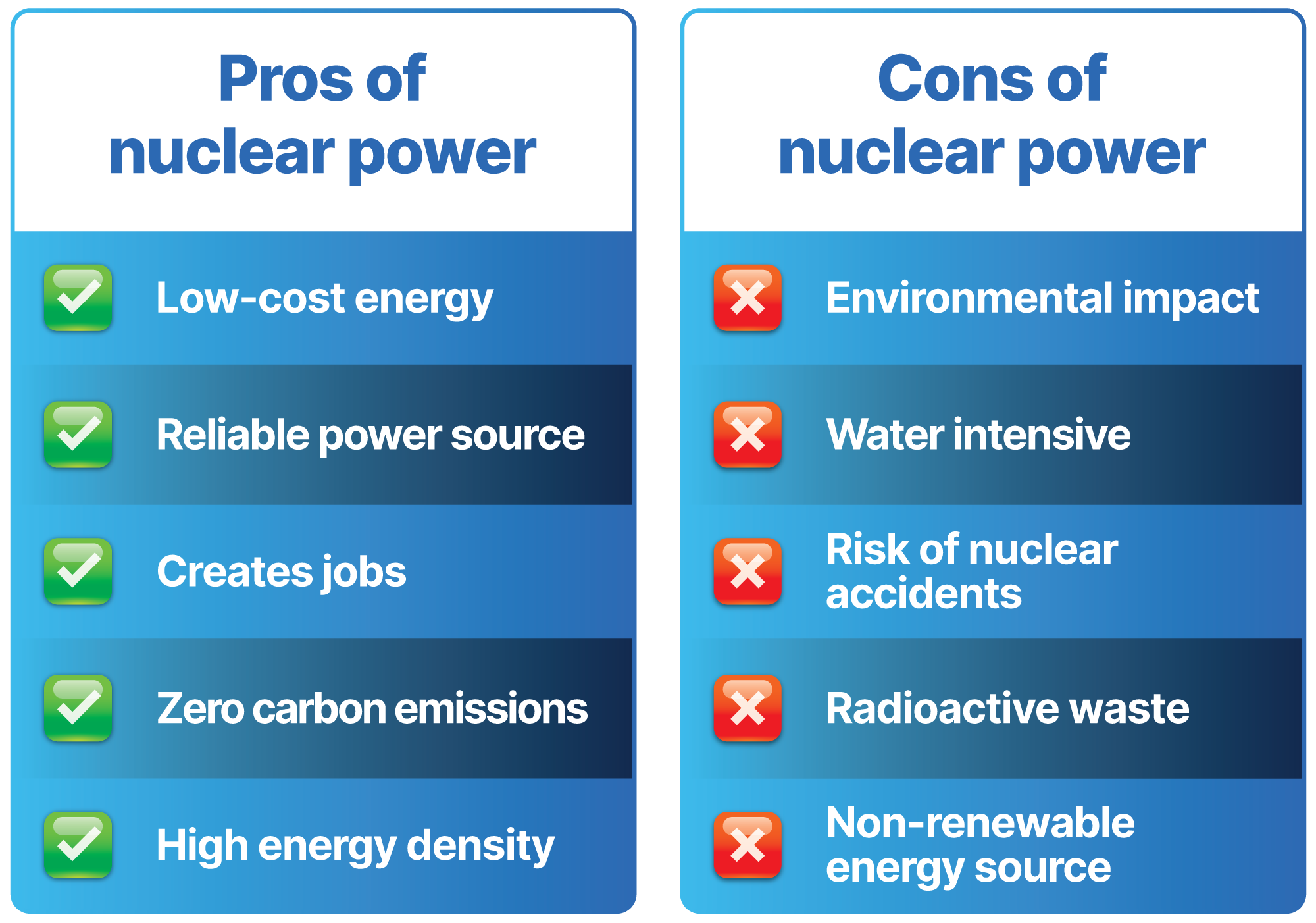
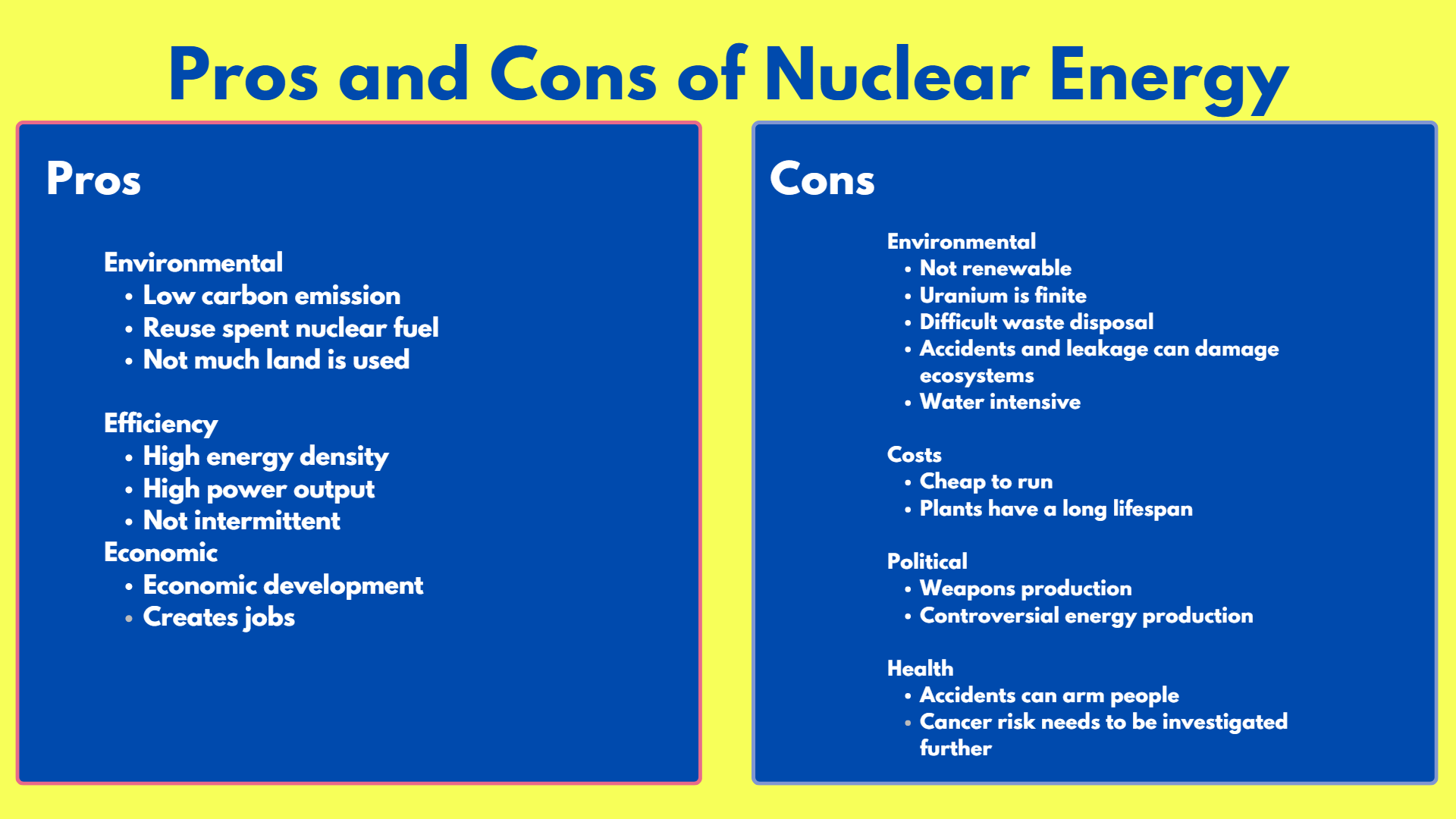
First off, it’s incredibly clean when it’s running. We're talking zero greenhouse gases puffing out into the atmosphere from the power plant itself. Imagine your car exhaust pipe suddenly only blowing out fresh air! This is a big deal for our planet, especially as we're all trying to be better friends to Mother Earth and tackle climate change. It's like having a giant, always-on energy source that doesn't add to the planet's fever.
Then there's the reliability factor. Nuclear plants are like that super dependable friend who always shows up, rain or shine, early and with snacks. Unlike solar panels that nap at night or wind turbines that go on vacation when there's no breeze, nuclear plants can generate electricity 24/7, year-round. They don't care if it's cloudy, windless, or the middle of a blizzard. They just keep chugging along, providing a steady, consistent stream of power for all our Netflix binges and late-night laundry cycles.

And here's a fun one: it’s incredibly efficient and compact. A tiny amount of uranium fuel can produce a colossal amount of energy. Think of it like fitting an entire marathon's worth of energy into a single energy bar. This means nuclear power plants don't need sprawling fields of solar panels or thousands of wind turbines to produce the same amount of electricity. They have a relatively small physical footprint, leaving more land for national parks, farms, or even just your backyard barbecue.
The Tricky Bits: What Makes Us Scratch Our Heads?
Okay, so nuclear energy isn't all sunshine and rainbows. Like that quirky neighbor, there are a few things that give us pause. Let’s look at the challenges.

The first thing that probably pops into most people's heads is safety. When things go wrong with nuclear power, they can go spectacularly wrong, as we've seen with incidents like Chernobyl or Fukushima. These are rare, incredibly rare events, but the potential for catastrophic consequences is terrifying. It's like knowing that while car crashes are rare for you, they can happen, and when they do, they’re serious. Modern safety standards are rigorous, but the fear factor is real and hard to ignore.
Then there's the sticky problem of nuclear waste. Once the fuel has been used, it becomes radioactive waste that needs to be stored safely for thousands – yes, thousands – of years. Imagine having a piece of trash that literally couldn't be thrown out for the next 10,000 years! We don't have a perfect, universally agreed-upon permanent solution for this stuff yet, so it’s often stored temporarily on-site. It’s like having a very precious, but very dangerous, heirloom that you can't quite figure out where to put permanently.
Building these behemoths is also a huge undertaking. Nuclear power plants are incredibly expensive to construct and take a very, very long time to get up and running – often decades. Think of building a custom mansion from scratch versus buying a pre-built house. The upfront cost and time commitment are staggering, making it a tough sell for many investors and governments who want quicker, cheaper solutions.

Finally, there's the issue of security. The materials used in nuclear power could, in the wrong hands, be used to create weapons. This means nuclear facilities require fortress-level security and strict international oversight. It’s a bit like having a vault of incredibly valuable, but also incredibly dangerous, jewels – you need the best security system money can buy and constant vigilance.
So, Why Should YOU Care?
You might be thinking, "This is all very interesting, but what does it have to do with my life?" Well, quite a lot, actually!
Every time you flip a light switch, charge your phone, or reheat leftovers in the microwave, that energy comes from somewhere. Our choices about energy sources – whether it's nuclear, solar, wind, or fossil fuels – directly impact our air quality, our climate, our electricity bills, and even international relations.
Understanding nuclear energy isn't about becoming an expert, but about being an informed citizen. It helps you make sense of the news, participate in community discussions, and even influence the kind of future we're building for ourselves and the next generation. Do we prioritize clean energy at a higher upfront cost? Do we embrace a reliable but controversial power source? These aren't just questions for scientists and politicians; they're questions for all of us.
So, the next time you hear "nuclear energy," instead of zoning out, maybe you'll remember the silent power plant that doesn't puff out smoke, or the challenge of that really stubborn waste. It's a complex picture, for sure, but one that’s absolutely worth understanding a little better. After all, it's about powering our world, one quirky fact at a time!