
Power Went Out How Long Will Food Last In Fridge
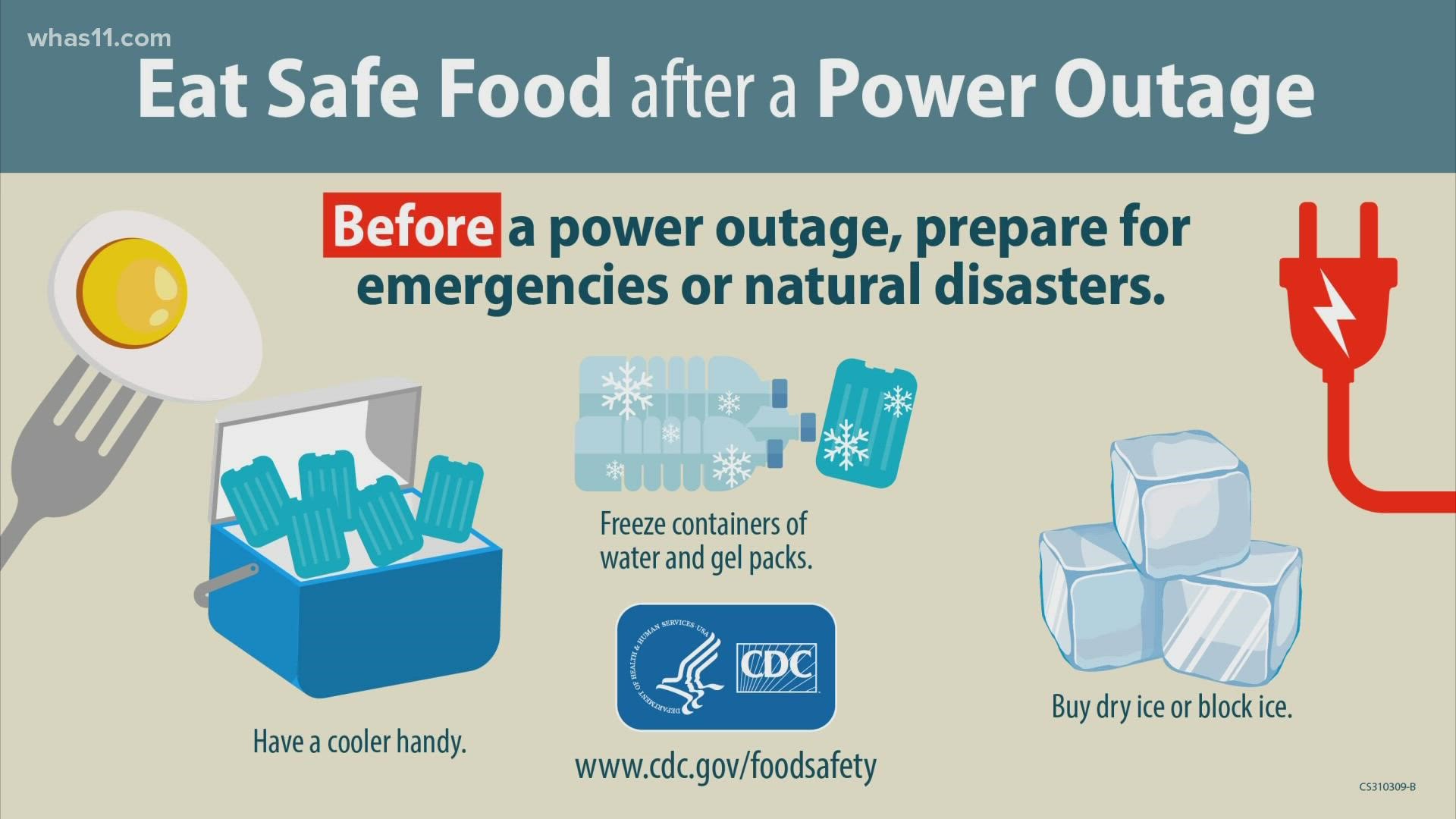
Oh no! The lights went out! Suddenly, it's not just dark, but you're facing a food-related race against time. How long will everything last in the fridge? It's a question that's probably crossed your mind (along with "Where's the flashlight?!"). Let's dive into the refrigerator survival guide.
The Fridge: A Temporary Time Capsule
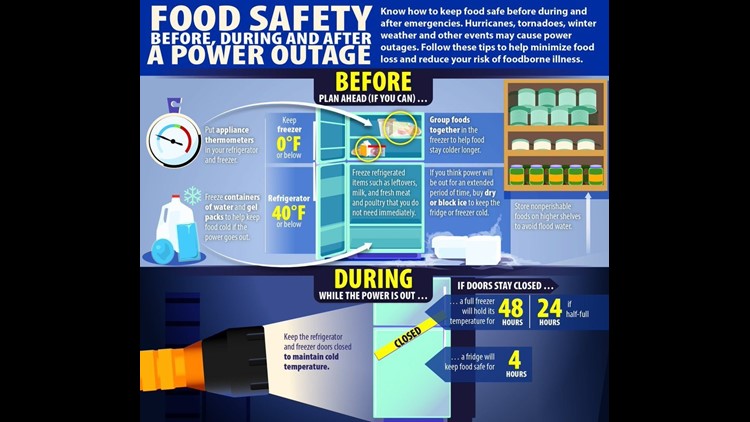
Think of your refrigerator as a tiny, chilly time capsule for your food. It's keeping things fresh, but only for a limited time. When the power goes out, that clock starts ticking much, much faster. The goal? Keep the door closed as much as humanly possible. Seriously! Pretend it's a vault protecting precious jewels (which, in a way, it is!).
A full fridge will stay colder longer than a nearly empty one. All that food acts like insulation, helping to maintain a lower temperature. So, a fridge bursting at the seams is actually a good thing in this scenario. Imagine your condiments forming a united front against the rising temperatures. Teamwork!
Must Read
The Four-Hour Rule: Your First Deadline
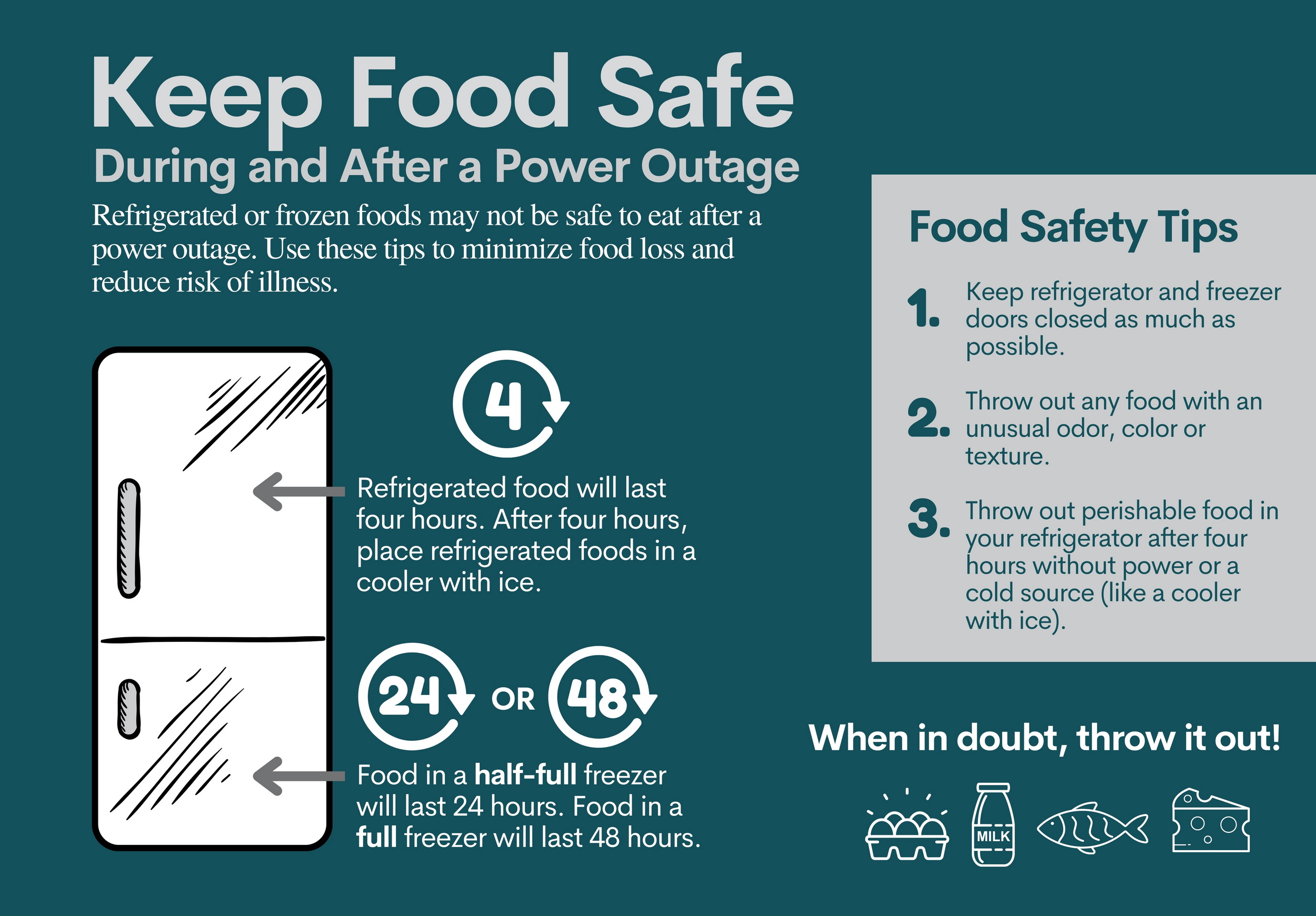
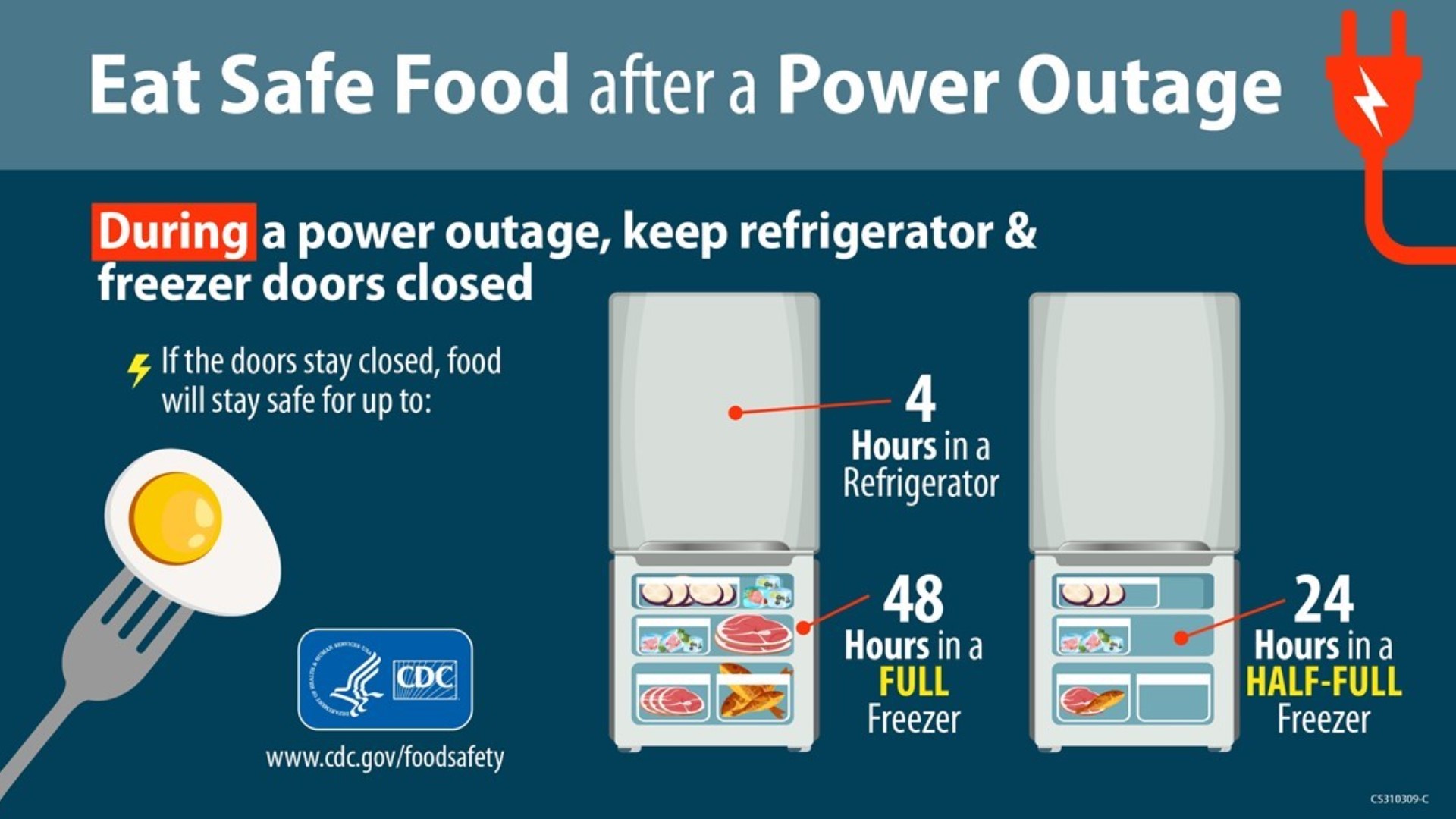
Here's the golden rule: if the power is out for less than four hours, your refrigerated food is generally safe. Phew! That's a manageable window. Try to resist the urge to peek inside every five minutes. Each time you open the door, you let cold air escape, accelerating the spoilage process. Think of it like opening a portal to a warmer dimension – a dimension your food definitely doesn't want to visit yet.
After four hours, things get a little dicey. That's when you need to start making some tough decisions about what to keep and what to toss. It's a food-related Sophie's Choice, but remember, safety first! No one wants a food poisoning incident.
Dairy, Meat, and Everything In Between
Some foods are more sensitive than others. Dairy products, like milk and yogurt, are among the first to go. They're delicate little things that don't appreciate warm temperatures. Meats, especially ground meat and poultry, are also high-risk. Think of them as ticking time bombs of bacteria.
Hard cheeses, on the other hand, are a bit more resilient. They can often withstand slightly warmer temperatures for a longer period. It's like they have their own little cheese armor protecting them from the elements.
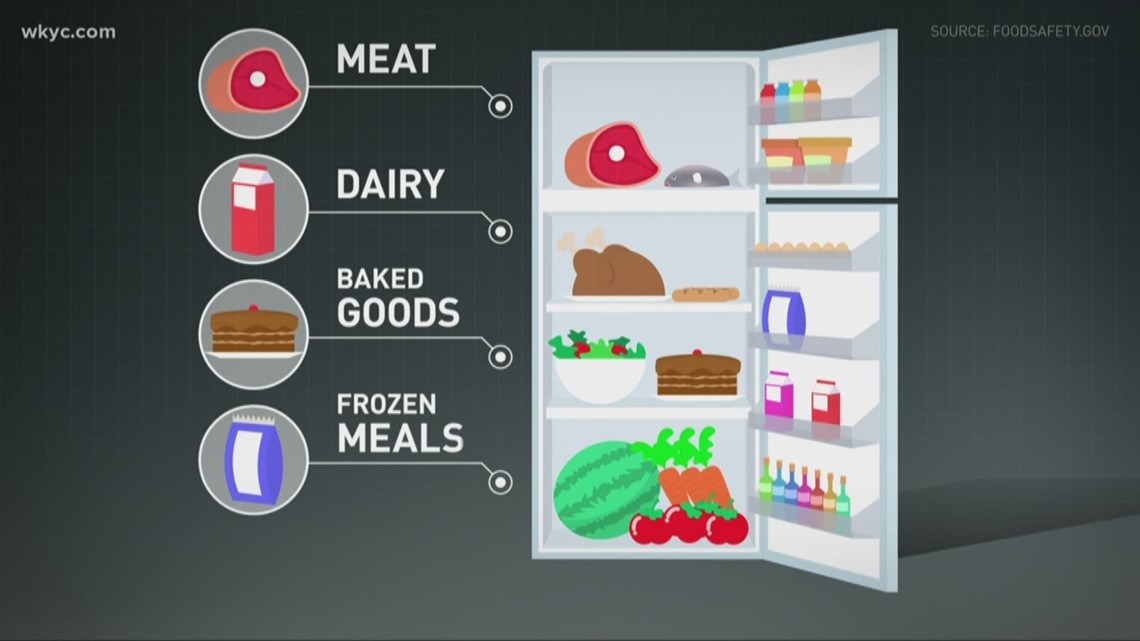
What about leftovers? Generally, it’s best to err on the side of caution with leftovers. If they've been sitting in a warming fridge for hours, it's probably time to say goodbye. Nobody wants to risk turning tonight's dinner into tomorrow's stomach ache.
The Freezer: A Chilly Refuge
Your freezer is your best friend during a power outage. A full freezer can keep food safe for up to 48 hours, while a half-full freezer will buy you about 24 hours. Again, resist the urge to open it unless absolutely necessary. Frozen food is much more forgiving than refrigerated food. Picture your freezer as a fortress of frozen goodness, valiantly defending its contents.
If the power outage is going to be prolonged, consider moving some of your refrigerated items to the freezer. It's a risky move, as it might affect the texture of some foods, but it's better than throwing everything away. Think of it as a last-ditch effort to save your precious groceries.
Signs of Spoilage: Trust Your Senses
When in doubt, throw it out! This is the golden rule of food safety. Don't rely solely on how long the power has been out. Use your senses! If something smells off, looks funny, or has a strange texture, it's probably not safe to eat. Trust your gut (literally!).
Spoiled food can have a variety of telltale signs. Sour smells for milk, slime for meats, and strange colors for vegetables. These are all red flags that should send you straight to the trash can. Avoid food poisoning at all costs!
After the Power's Back: Assess and Re-Chill
When the power finally comes back on, take stock of your fridge situation. Check the temperature! Ideally, it should be below 40°F (4°C). If everything seems to be within the safe zone, you can start re-chilling your food. If you have any doubts, toss it! It's better to be safe than sorry.
So, next time the lights flicker, remember the food-saving strategies. Keep the doors closed, know your time limits, and trust your senses. You'll be a fridge-saving superhero in no time!
Ultimately, understanding the basic food safety guidelines during a power outage is more than being cautious. Is your health condition fragile? Prioritize healthy diet! Stay safe and healthy. Good luck!