Power Out In Only Part Of House
Imagine this: you're cozied up in the living room, reading a book, when suddenly the lamp flickers and dies. You glance around, and the TV is still humming along, the kitchen lights are bright, but your reading nook is plunged into partial darkness. What gives? This isn't a full-blown blackout, but rather the intriguing case of power out in only part of the house. Instead of a frustrating inconvenience, let's look at it as a fascinating, everyday mystery waiting to be solved – a little slice of electrical detective work right in your own home!
Understanding why power might go out in just one section of your dwelling isn't just a cool party trick; it actually serves a very practical purpose. At its heart, it's about grasping the basic principles of your home's electrical system, specifically how circuits work. The primary benefit? It empowers you to perform some basic troubleshooting yourself, potentially saving you the cost and wait time of calling an electrician for a minor hiccup. More importantly, it fosters a better understanding of electrical safety, helping you identify and prevent common issues like circuit overloads. It's about demystifying the invisible flow of electricity that powers our lives, making you a more informed and capable homeowner.
This partial power outage phenomenon shows up in daily life more often than you might think. A classic scenario? You're in the kitchen, and you plug in the coffee maker, the toaster, and then the microwave all at once. Suddenly, a section of your kitchen goes dark, while the dining room remains lit. This is a tell-tale sign of an overloaded circuit – you've simply asked too much of that particular electrical path, and for safety, its breaker decided to take a little nap. Another common example involves bathrooms or outdoor outlets: if your hair dryer suddenly goes silent or your string lights flicker out after a rain, it's likely a Ground Fault Circuit Interrupter (GFCI) outlet has tripped, designed to protect against electric shock in damp areas. Even in a simple educational context, explaining how a house is divided into different circuits (like roads on a map, each with its own traffic limit) helps young minds grasp complex systems.
Must Read
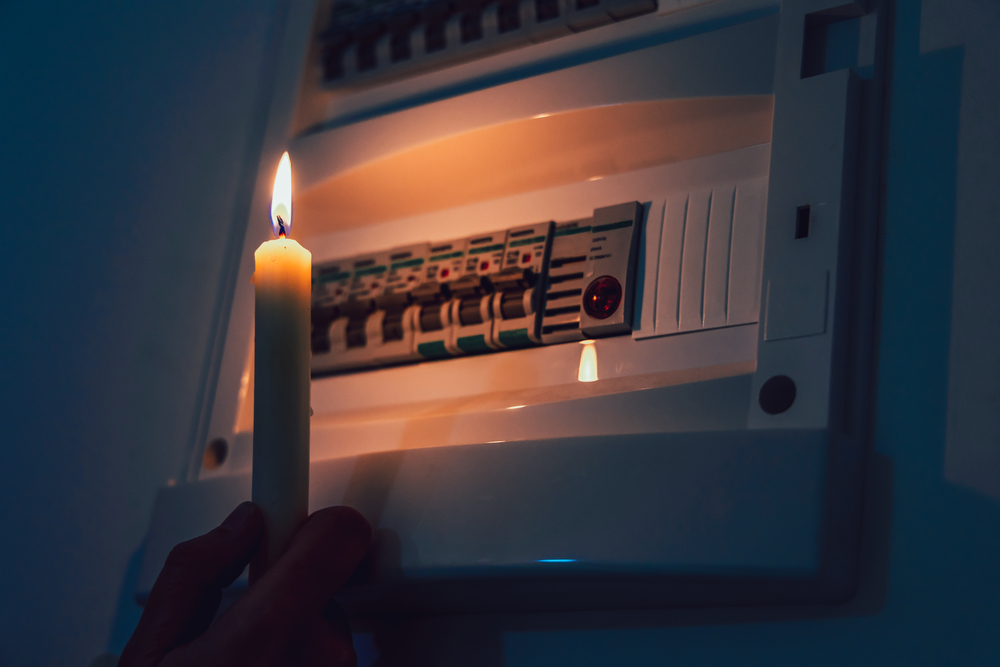
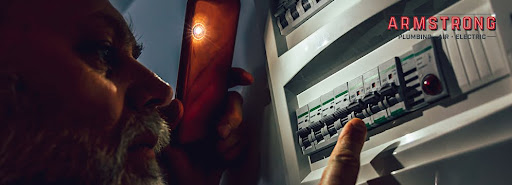
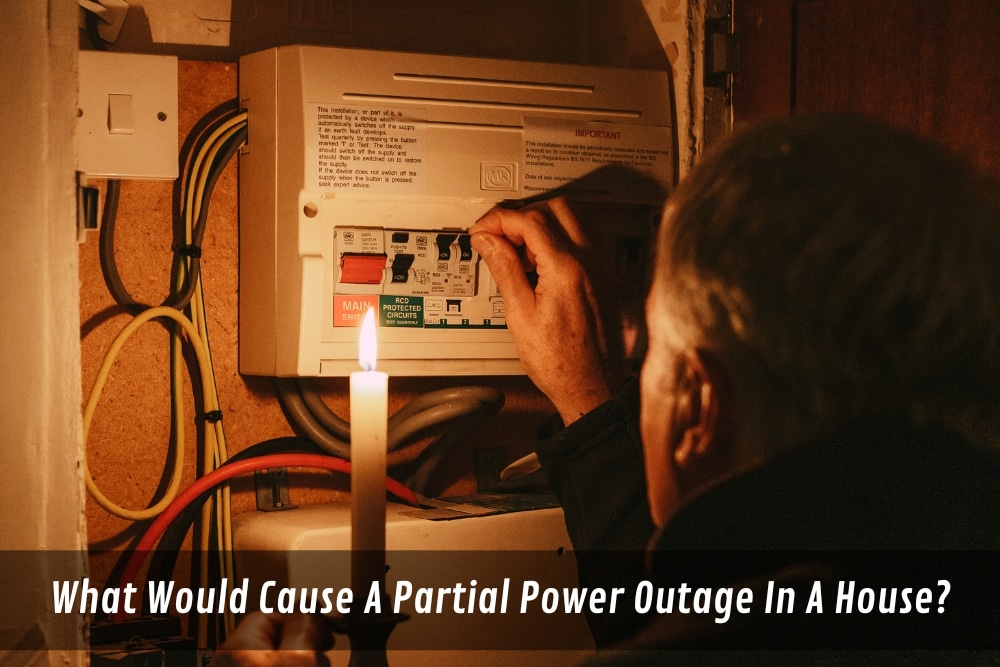
Ready to explore this mini-mystery yourself? It’s surprisingly simple! The next time part of your house goes dark, your first stop should be your electrical breaker box (usually a gray metal box in a utility closet, basement, or garage). Open it up and look for any switches that are no longer fully "ON" – they might be halfway between "ON" and "OFF," or sometimes fully "OFF." To reset a tripped breaker, firmly push it all the way to the "OFF" position first, and then back to "ON." If it's a GFCI outlet (identifiable by the "TEST" and "RESET" buttons), simply press the "RESET" button. Take note of what you were using when the power went out; this helps you identify which appliances might be on the same circuit and if you're consistently overloading one. If a breaker trips repeatedly, however, that's your cue to call a professional. Exploring your home's electrical layout in this safe, curious way can be incredibly illuminating, turning a momentary inconvenience into a moment of genuine learning!