Positive Or Negative Poles Of An Electric Current

Okay, so picture this: I'm trying to fix my kid's toy robot – the poor thing lost a fight with the stairs. I'm fiddling with the battery compartment, and for the life of me, I can't remember which way the batteries go in. Negative to the springy thing? Positive to the flat bit? It's like a tiny, plastic puzzle designed to induce parental rage. And then it hit me: why does it even matter which way they go in?! That, my friends, led me down a rabbit hole of electrical polarity, which I'm now going to drag you into with me. Don’t worry, it's not as scary as it sounds! 😉
The Two Sides of the Force (…I mean, Electricity)
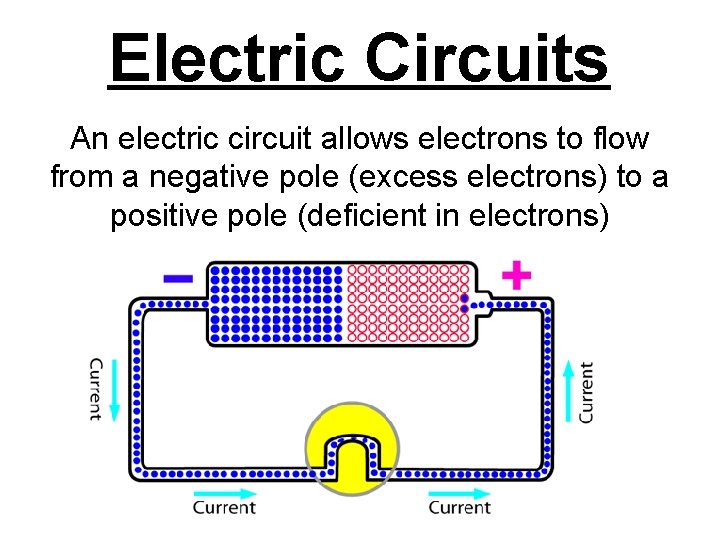
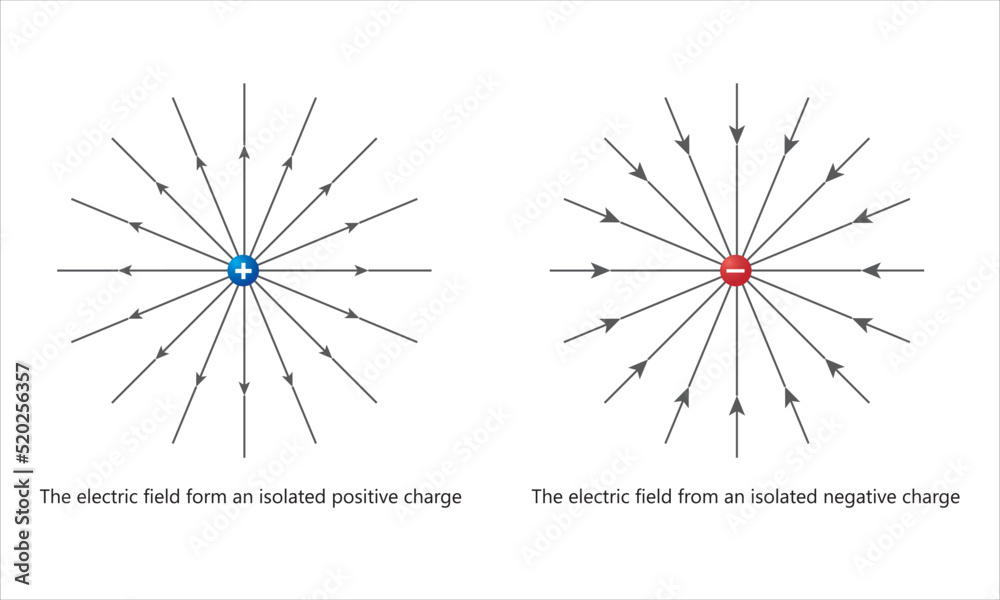
Let's talk about electrical current. It's basically the flow of electrical charge. Imagine it like water flowing through a pipe. To get the water to flow, you need a difference in pressure. Similarly, to get electrical charge to flow, you need a difference in electrical potential. This difference is what we call voltage. And where does this voltage come from? You guessed it – the positive and negative poles.
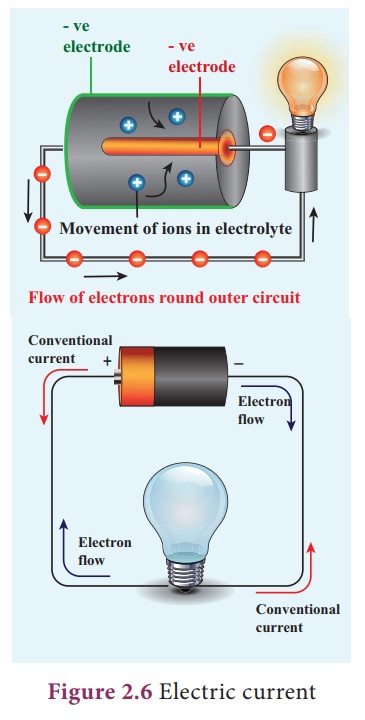
Think of a battery. It has two terminals, right? One marked with a plus sign (+) and the other with a minus sign (-). The positive terminal is where the electrical potential is higher, and the negative terminal is where it's lower. Electrons, those tiny negatively charged particles, naturally want to move from the negative terminal (where there are lots of them) to the positive terminal (where they're needed). This movement is the electric current!
Must Read
Why Does Polarity Matter? Oh, Let Me Count the Ways…
So, why can't we just slap the batteries in any which way? Well, for many devices, polarity is crucial. Here’s why:
- Circuits are Designed That Way: Most electronic circuits are designed to operate with current flowing in a specific direction. Reversing the polarity can cause the circuit to malfunction, or even worse, get damaged. Think of it like trying to force water to flow uphill in a plumbing system. Not ideal, right?
- Diodes: One-Way Streets for Electrons: Many electronic components, like diodes, only allow current to flow in one direction. If you reverse the polarity, the diode will block the current, and nothing will work. Diodes are like tiny little gatekeepers, making sure the electrons behave themselves.
- Electrolytic Capacitors: Boom Potential!: Electrolytic capacitors are particularly sensitive to polarity. If you connect them backwards, they can overheat and, in extreme cases, explode. Yes, explode. Trust me, you don’t want that. It's messy and potentially dangerous. Let's just say I learned this lesson the hard way… involving a very startled cat.
- LEDs: Light Emitting…Only One Way!: Light Emitting Diodes (LEDs) only light up when current flows in the correct direction. Reversing the polarity simply means no light. It's a good way to test if you've got it right, though!
Conventional Current vs. Electron Flow: A Little Historical Hiccup
Now, here's a little twist. Back in the day, before we knew about electrons, scientists thought that current flowed from positive to negative. They called this conventional current. After the discovery of electrons, we realized that electrons actually flow from negative to positive. However, the convention stuck, and we still often talk about current flowing from positive to negative, even though it's technically the opposite of electron flow. Confusing? A little. Just remember the basic principle: electrons are the little movers and shakers, and they're heading towards that positive terminal like moths to a flame!
So, the next time you're wrestling with a battery compartment or wiring up a circuit, remember the importance of those plus and minus signs. They're not just there for decoration! Getting the polarity right can save you from frustration, damaged equipment, and possibly even exploding capacitors. And that, my friends, is a lesson worth remembering. Plus, you'll feel super smart explaining it to your friends (or, you know, rescuing your kid's robot).
Happy experimenting (safely, of course)!