Polyester What Is It Used For
Ah, polyester! The word itself might conjure images of 1970s leisure suits or a slightly scratchy uniform. But hold on a minute, because this synthetic superstar has undergone a radical transformation. Today, polyester isn't just used for things; it's practically the invisible workhorse making modern life smoother, comfier, and considerably more convenient. We interact with it countless times a day, often without even realizing it, and for good reason: it’s incredibly versatile and boasts a slew of benefits that make our everyday existence a whole lot better.
So, what exactly makes polyester such a silent hero? Its primary benefit lies in its resilience. This material is a champion against the wear and tear of daily life. It resists stretching, shrinking, and wrinkles with impressive fortitude, meaning your clothes and home goods look better for longer. Forget endless ironing; polyester items often spring back to life after a quick wash. But there’s more! Polyester is also inherently hydrophobic, which is a fancy way of saying it repels water. This quality makes it incredibly quick-drying, perfect for everything from activewear to outdoor gear. It also holds its color brilliantly, ensuring that vibrant hues stay vibrant, wash after wash. Add to that its affordability and impressive durability, and you start to understand why it’s so ubiquitous.
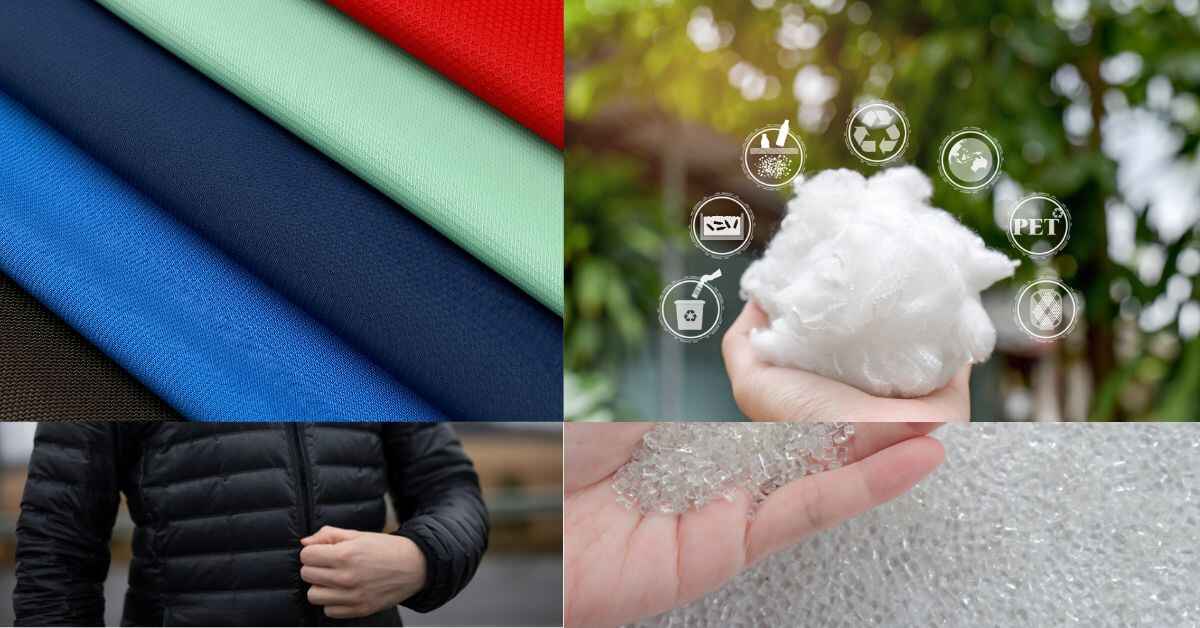
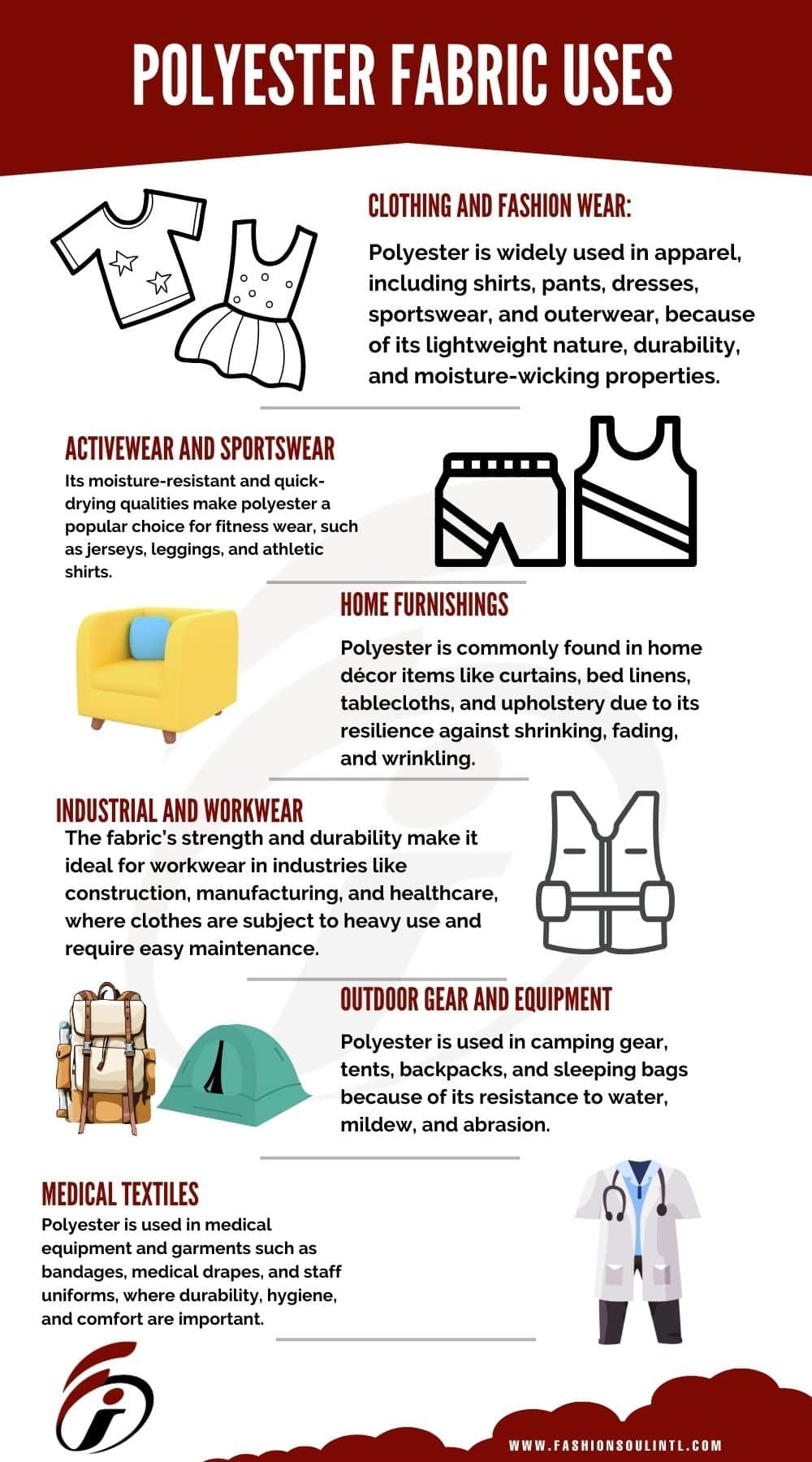
Where does this marvel show up in our lives? Practically everywhere! In your wardrobe, polyester is the backbone of most activewear – those leggings, running shorts, and moisture-wicking tops that keep you dry and comfortable during a workout. It’s in your sleek rain jacket, your cozy fleece sweater, and often blended into your everyday shirts and dresses for added wrinkle resistance and longevity. Look around your home, and you’ll find it in upholstery fabrics that stand up to pets and kids, in durable carpets, and even in soft, fluffy duvet and pillow fillings. Beyond textiles, you might be surprised to learn that PET plastic bottles, a ubiquitous item in our lives, are also a form of polyester. From seatbelts and ropes to tarpaulins and medical textiles, polyester’s strength and adaptability make it indispensable across countless industries.
Must Read
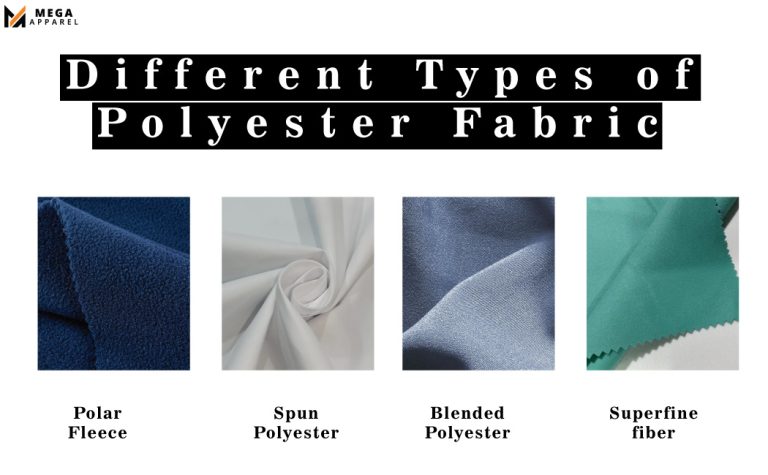
Want to enjoy polyester more effectively? Here are a few practical tips. First, don't judge all polyester equally! Modern manufacturing has come light-years from its scratchy predecessors. Seek out garments made with microfiber polyester for an incredibly soft and luxurious feel. When washing, always follow care labels, but generally, polyester thrives in cold or warm water and can often be tumble-dried on low heat or air-dried for best results. Be mindful of high heat, as it can sometimes damage the fibers or cause static. If static is an issue, a dryer sheet or fabric softener can work wonders. Finally, embrace polyester blends! When mixed with natural fibers like cotton or wool, polyester contributes its durable, wrinkle-resistant qualities while the natural fibers offer breathability and softness, often creating the best of both worlds. So next time you see "polyester" on a label, don't dismiss it; recognize it as the unsung hero working hard to make your life a little easier and a lot more functional.