Plasma Cutter And Tig Welder
Ever gazed at a cool metal sculpture, a custom car part, or a perfectly repaired aluminum bike frame and wondered how it was made? Chances are, a couple of fantastic tools were involved: the plasma cutter and the TIG welder. Now, before you imagine complicated industrial machinery, know that these awesome gadgets are becoming increasingly accessible to everyday hobbyists and DIY enthusiasts. They’re not just for pros anymore; they’re for anyone who loves to create, fix, or customize with metal, offering a truly satisfying experience that blends artistry with practicality.
Let’s talk about the plasma cutter first. Imagine a tool that can slice through metal like a hot knife through butter, but without the heat distortion you'd get from a grinding wheel. That's a plasma cutter! It works by creating a super-heated, electrically charged gas (plasma) stream that melts and blows away conductive materials like steel, aluminum, and copper. For beginners and hobbyists, this means you can easily cut out custom brackets for your home projects, create intricate metal art, or even help with auto body repair. It’s incredibly fast and leaves a much cleaner edge than most other cutting methods, making fabrication much simpler.
Then there's the TIG welder (that's Tungsten Inert Gas). If plasma cutters are about taking metal apart, TIG welders are all about putting it together, but with a level of precision and beauty unmatched by other welding processes. TIG uses a non-consumable tungsten electrode to create an arc, and a separate filler rod is fed into the weld puddle by hand. It's often called the "artist's welder" because it produces incredibly strong, clean, and aesthetically pleasing welds, especially on thinner materials and tricky metals like aluminum and stainless steel. Whether you're making delicate sculptures, repairing motorcycle frames, or fabricating custom exhaust systems, the smooth, flawless beads you can achieve with TIG are truly impressive.
Must Read
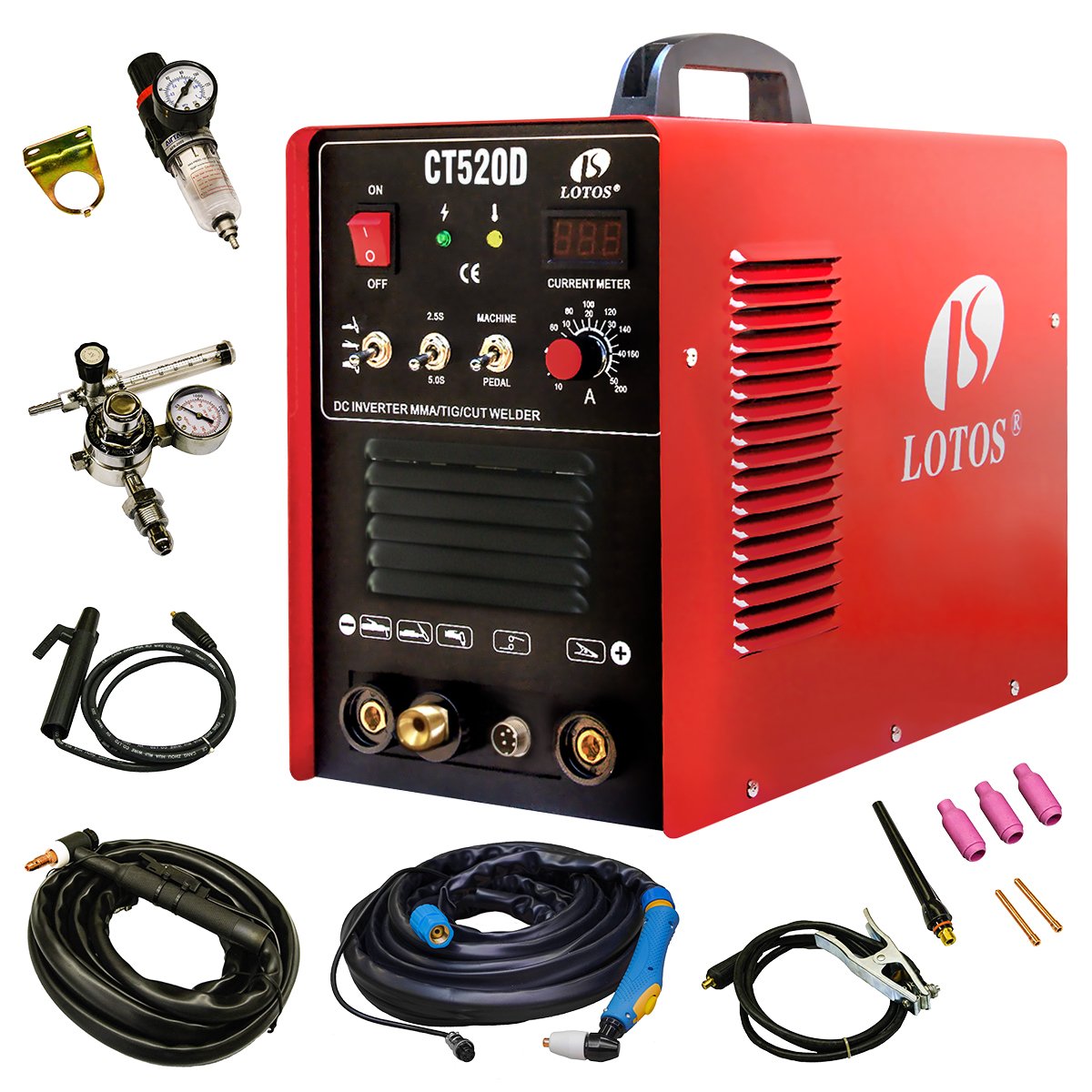
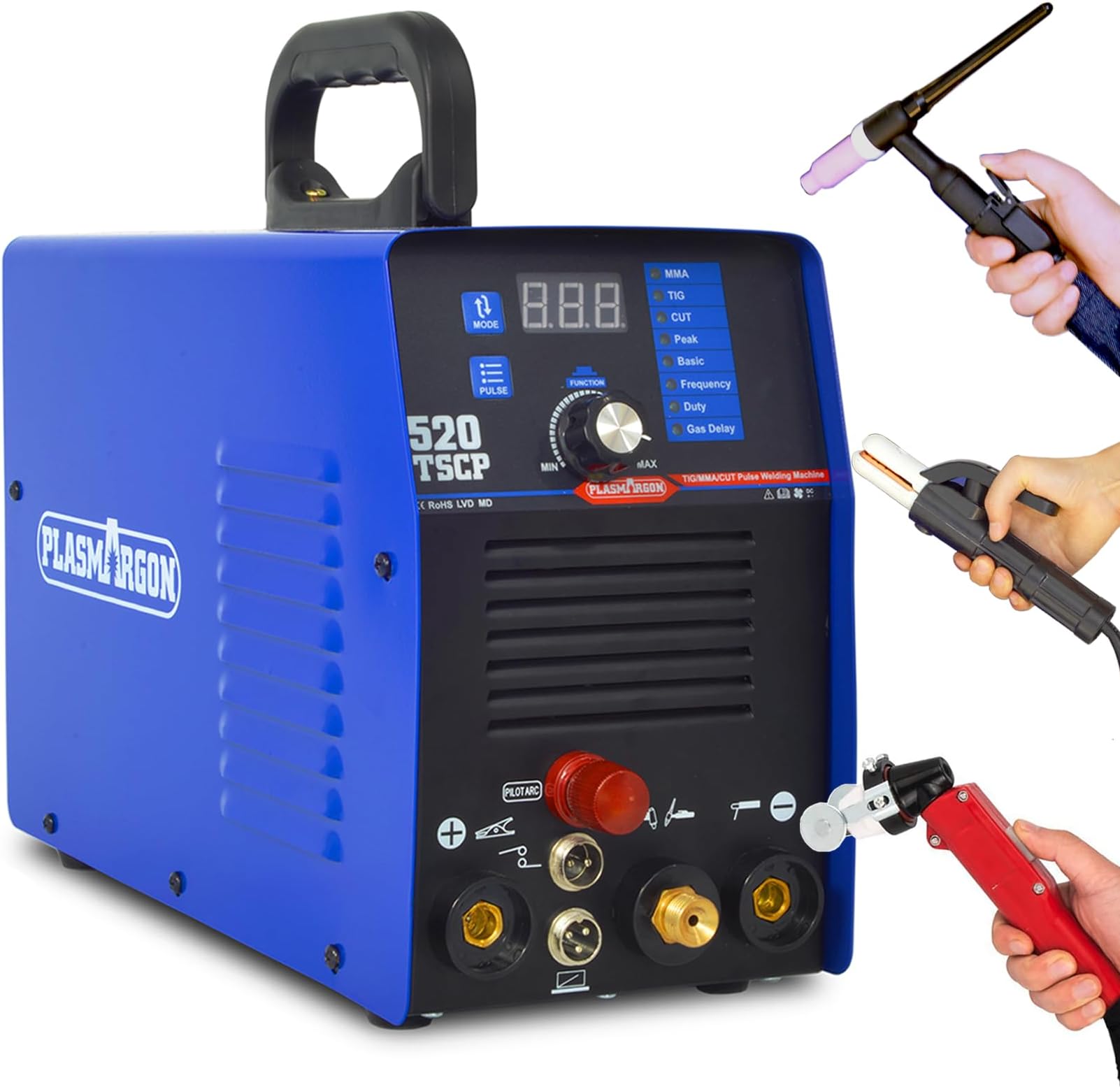
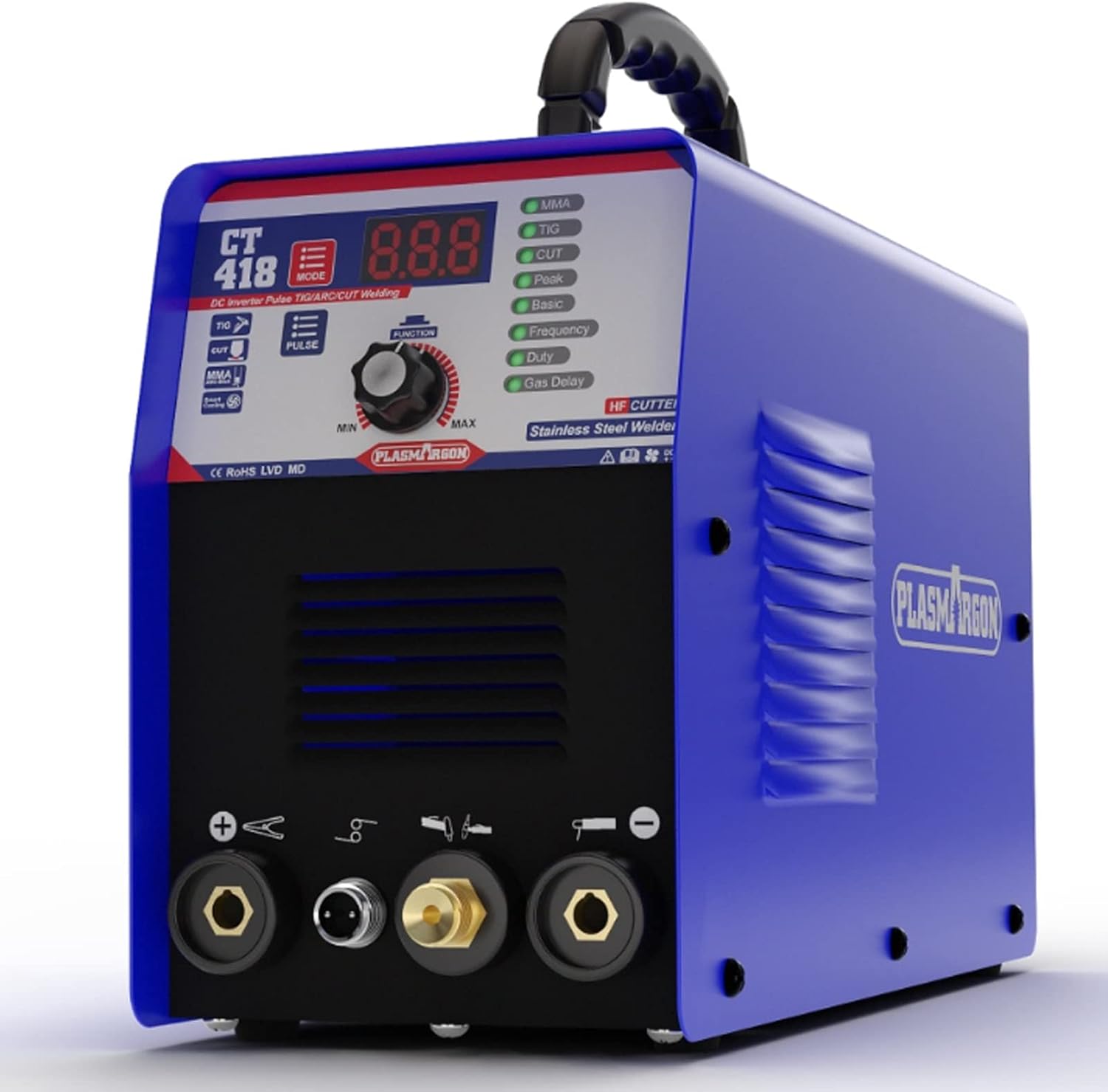
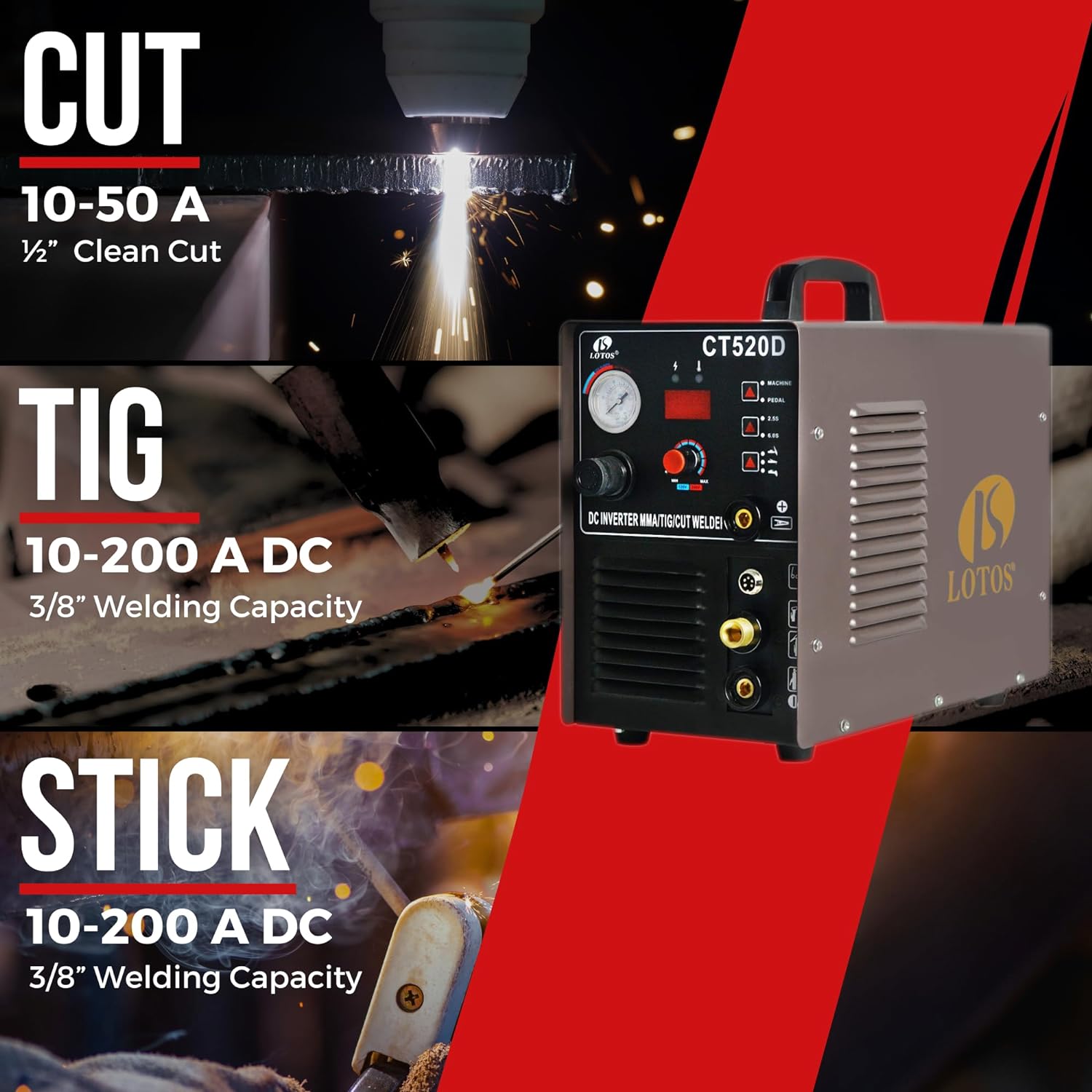
You might be surprised by the sheer variety of projects these tools enable. With a plasma cutter, you could design and cut out a unique metal sign for your garage, custom wall art, or even parts for a DIY robot. TIG welding allows you to repair that cracked aluminum patio chair, build custom furniture with exposed welds that look like jewelry, or create intricate pieces of automotive art. There are even multi-process machines available now that combine TIG welding, stick welding, and plasma cutting into one unit, perfect for smaller workshops or those on a budget, offering incredible versatility.
Ready to jump in? Here are some simple tips for getting started. First and foremost, safety is paramount! Always wear appropriate Personal Protective Equipment (PPE) – a good auto-darkening welding helmet, heavy-duty gloves, a welding jacket, and closed-toe shoes are a must. Ensure you have good ventilation, too. Start with some scrap metal and watch plenty of online tutorials; YouTube is a fantastic resource. Don't be afraid to experiment with settings and practice, practice, practice! Patience is key, especially with TIG welding, which has a steeper learning curve but offers immense rewards. You might also find a local community college or workshop that offers introductory classes.
Diving into the world of plasma cutting and TIG welding is an incredibly rewarding journey. It’s not just about learning a new skill; it’s about unlocking your creative potential, fixing things yourself, and fabricating items you never thought possible. The satisfaction of seeing your vision come to life in metal, held together by your own precise welds or shaped by your clean cuts, is truly unparalleled. So, why not spark your imagination and explore what you can create?