Physical Signs Of A Gas Leak

Ah, the humble natural gas! It’s the unsung hero that fuels so much of our daily comfort, isn't it? From that glorious blast of heat on a chilly morning to the satisfying sizzle on your stovetop, natural gas is woven into the fabric of modern living. We use it without a second thought, enjoying its efficiency and the cozy convenience it brings to our homes.
Imagine a world without instant hot water for your morning shower, a perfectly seared dinner, or a warm house battling winter's chill. Natural gas provides the warmth, the energy, and the constant comfort that makes everyday life flow smoothly. It’s an incredibly versatile fuel, powering everything from our heating systems and water heaters to ovens, clothes dryers, and even outdoor grills. It’s efficient, readily available, and generally a reliable source of energy that keeps our lives humming along comfortably.
But like any powerful tool, it demands respect and a dash of awareness. Enjoying the benefits of natural gas effectively means understanding how to use it safely, and a crucial part of that is knowing the physical signs of a gas leak. Because while natural gas itself is usually invisible and odorless, utility companies add a distinctive scent – and there are other clues your senses can pick up.
Must Read
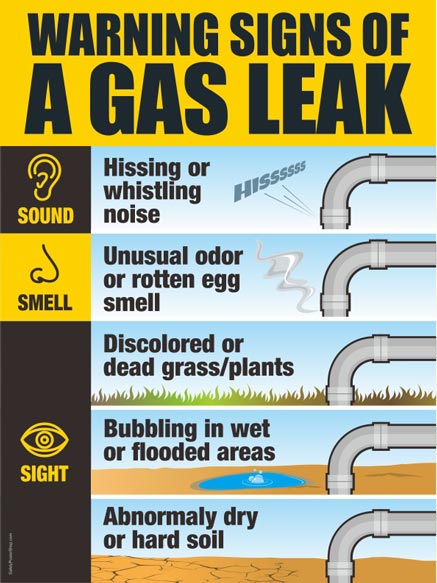
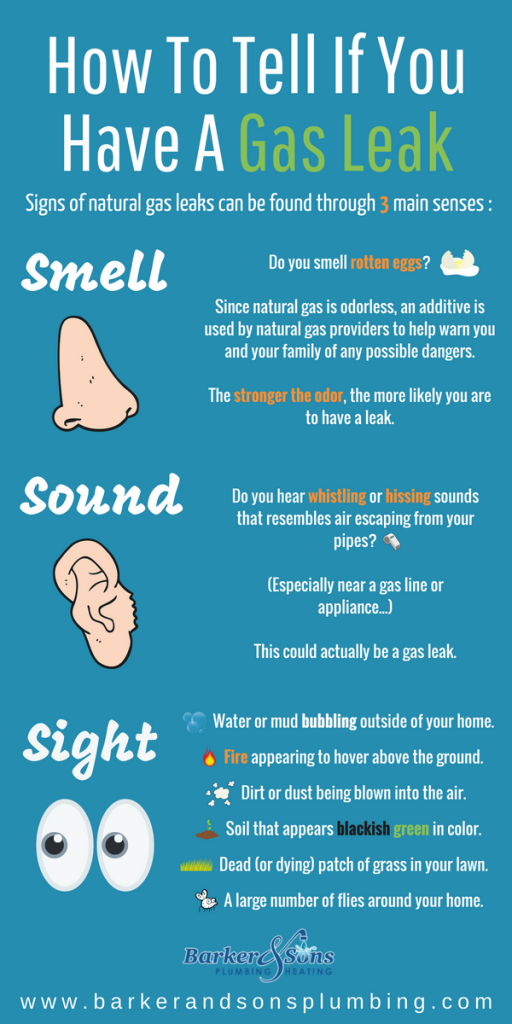
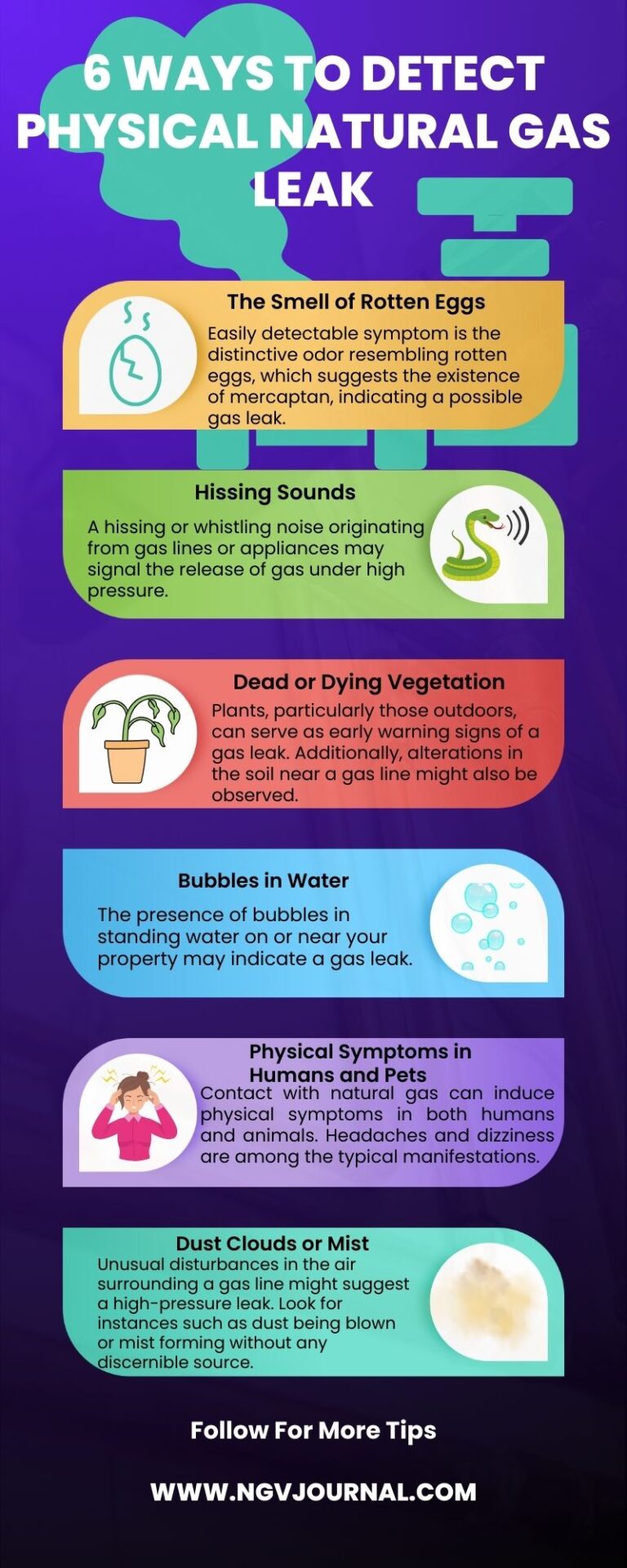
The most famous sign is that tell-tale rotten egg smell. Natural gas is actually odorless, but a harmless chemical called mercaptan is added specifically so you can detect a leak. If you catch a whiff of this pungent aroma, your nose is telling you something important!
Next, listen up! A gas leak can often produce a subtle but noticeable hissing or whistling sound. This sound might come from a gas line, an appliance connection, or even a damaged meter. If you hear an unexplained sound that wasn't there before, especially near gas fittings, pay attention.
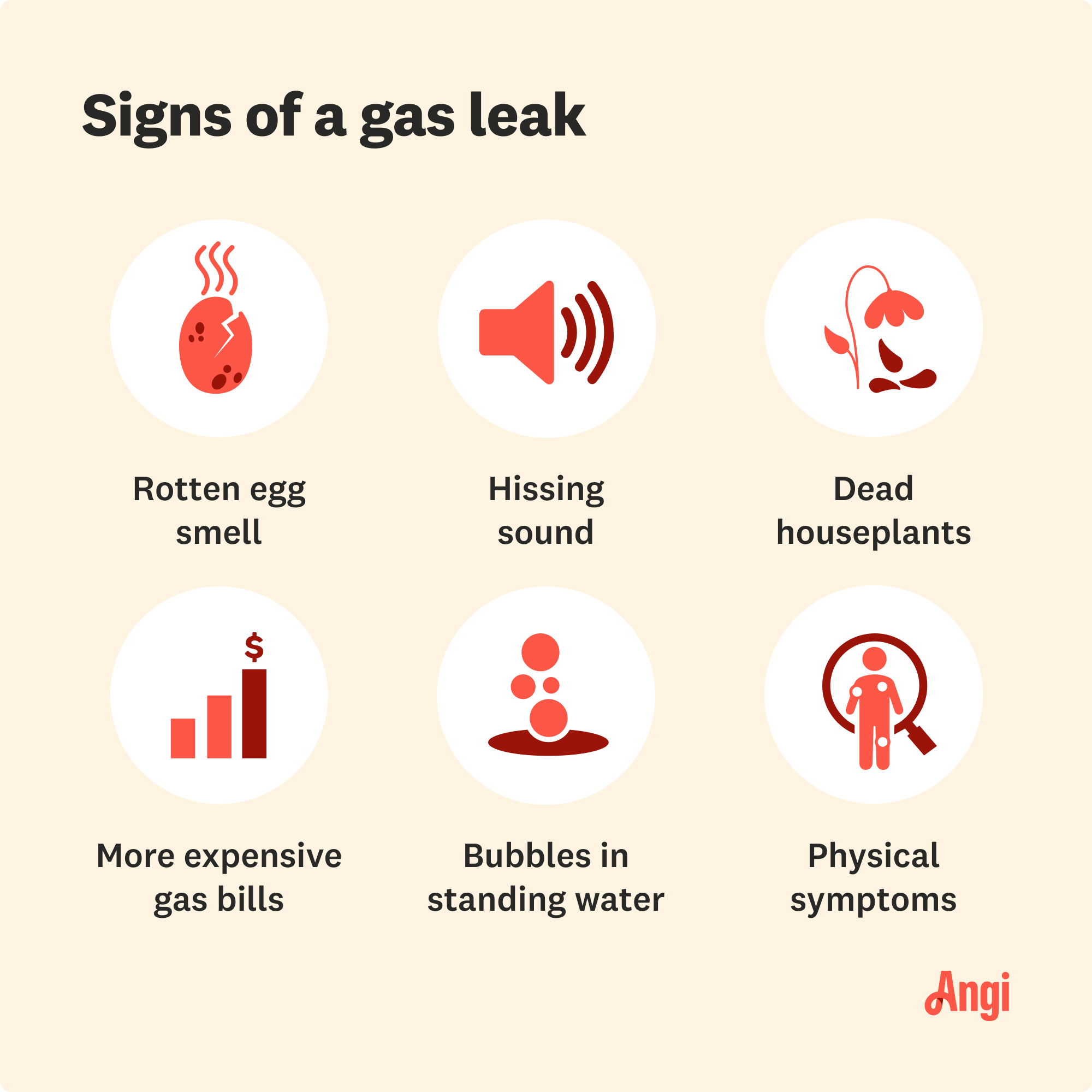
Keep your eyes peeled too! You might see visual cues of a leak. Outdoors, look for bubbles in standing water or puddles near gas lines, or sections of dead or discolored vegetation in an otherwise healthy lawn, which could indicate a leak from an underground line. Indoors, though rarer, you might spot an unusual cloud of dust or a visible mist near a gas pipe or appliance. Also, look for any visible damage to gas pipes or connections, like dents or tears.
While less direct, if you or others in your household start experiencing unexplained physical symptoms like lightheadedness, dizziness, nausea, or fatigue, especially when combined with other signs, it's a serious red flag. These symptoms can be caused by a lack of oxygen if gas is displacing air, or from carbon monoxide poisoning if an appliance is malfunctioning.
If you suspect a gas leak, remember this mantra: Get out, stay out, call for help!
- Evacuate immediately: Get everyone, including pets, out of the building.
- Do NOT use anything that could create a spark: This means no light switches, no phones, no igniting appliances, no car keys, no garage door openers – nothing. Even a tiny spark can ignite gas.
- Call for help from a safe distance: Once you are well away from the building, call 911 or your gas company’s emergency line.
- Do NOT return until told it's safe: Let the professionals handle it. They have the equipment and expertise to safely locate and fix the leak.
By staying alert to these physical signs and knowing what to do, you can continue to enjoy the comfort and convenience of natural gas with confidence and peace of mind. Your safety, and the safety of your loved ones, is always the top priority!