
Physical Characteristics Of Alkali Earth Metals

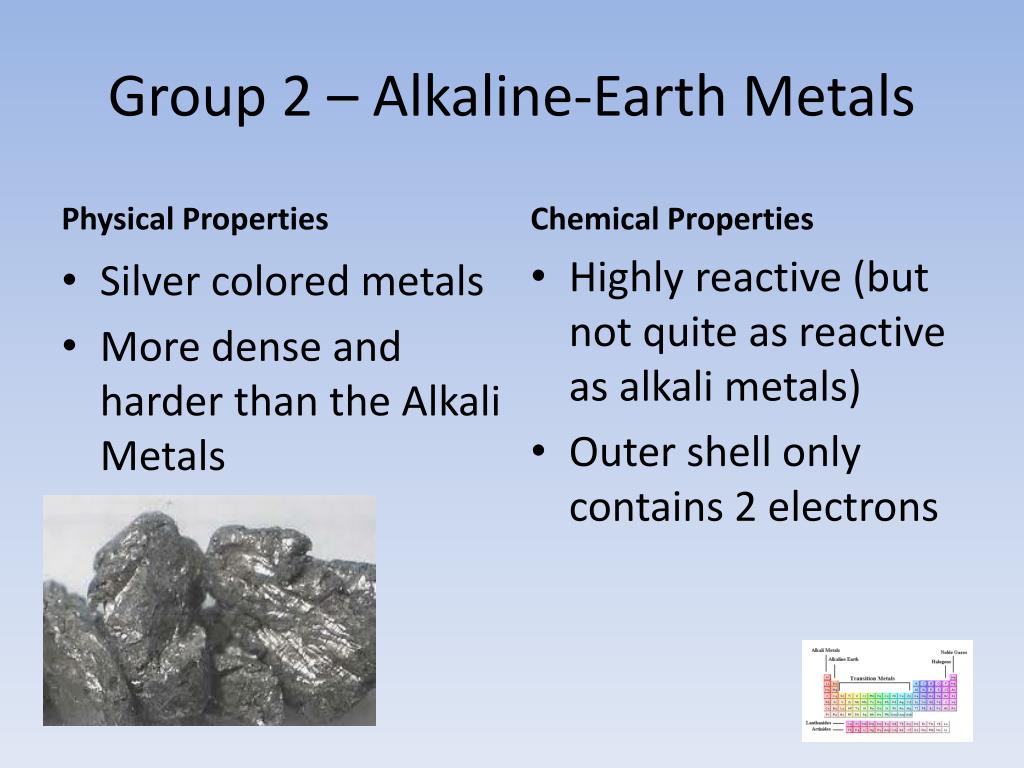
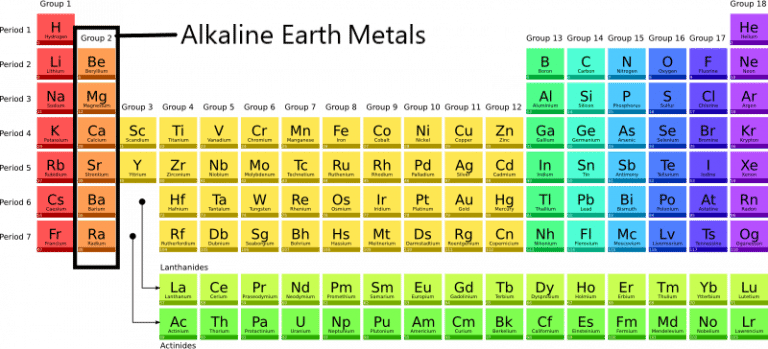
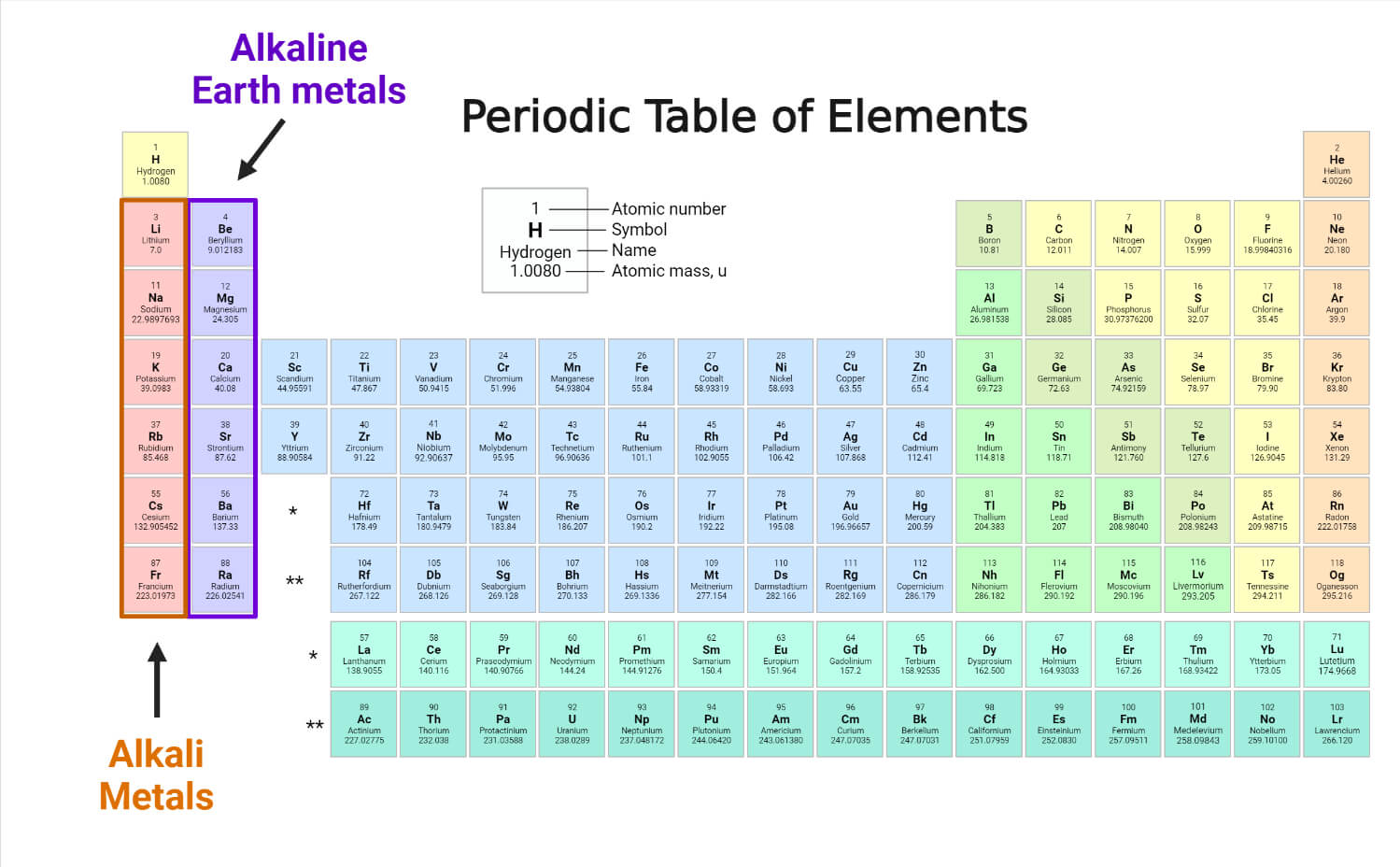
Ever heard the term "Alkali Earth Metals" and felt like you were back in a high school chemistry class, desperately trying to remember the periodic table? Don't worry, we're not going to quiz you! Think of this as a friendly chat about some elements that are surprisingly important in your everyday life. We're talking about the group that includes beryllium (Be), magnesium (Mg), calcium (Ca), strontium (Sr), barium (Ba), and radium (Ra). Forget the complicated formulas; let's talk about what makes these guys tick!
Shiny, but not Too Shiny
Imagine a brand new silver spoon. That gleam? That's somewhat similar to how alkali earth metals look. Freshly cut, they're silvery-white and have a nice sheen. But here's the thing: they're not as dazzling as, say, gold. They're more like the dependable friend who always looks presentable but doesn't need to be the center of attention. This is because they react with the oxygen in the air pretty quickly, forming a dull oxide layer on the surface. It's like how a perfectly shiny apple starts to brown after you cut it - same principle!
Softies (Relatively Speaking!)
Don't picture alkali earth metals as super-strong materials like steel. While they're definitely metals, they're not exactly the bodybuilders of the periodic table. They're relatively soft, especially compared to transition metals like iron or titanium. You can cut some of them with a knife! Think of it like this: if iron is a rock, magnesium is more like… well, a hard cheese. Not exactly squishy, but definitely manageable.
Must Read
Why should you care? Because this softness makes them useful! Magnesium, for example, is used in lightweight alloys for things like car parts and airplane components. We want our cars to be safe and strong, but also fuel-efficient, right? That’s where the relative softness and light weight of magnesium comes in handy!
Good Conductors of Heat and Electricity
Metals, in general, are known for their ability to conduct heat and electricity. Alkali earth metals are no exception. They're good at letting electrons zip through them, which means they can carry an electrical current. Think of your stovetop: the metal coils heat up quickly because they're good conductors. While alkali earth metals aren't the best conductors (copper and silver are the champs there), they're still decent contenders.
Now, you might not be wiring your house with barium anytime soon, but understanding this property helps us appreciate why metals are used in electrical applications.
Density and Melting Points: A Mixed Bag
Here's where things get a little more interesting. The density and melting points of alkali earth metals don't follow a perfectly straight line down the periodic table. Some are denser than others, and some melt at higher temperatures. It's like a family where everyone has slightly different quirks.
Calcium, for instance, melts at a higher temperature than strontium. Magnesium, on the other hand, is surprisingly lightweight. This variability allows us to tailor their uses based on the specific properties we need. Need something lightweight and strong? Magnesium is a good bet. Need something that can withstand high temperatures? Calcium or beryllium might be better choices.
Reacting with Water (Some More Than Others!)
This is where the "alkali" part of their name comes in. They react with water to form alkaline solutions (also known as bases). Some of them, like calcium, react slowly and gently. You might see a few bubbles forming if you drop calcium into water, but it's not a dramatic explosion. Others, like barium, react much more vigorously.
Why is this important? Well, calcium's gentle reaction is crucial for things like making cement and mortar. When you mix cement with water, it undergoes a chemical reaction that hardens it, holding bricks and buildings together. So, in a way, calcium is the unsung hero of architecture!
Color in Flames: A Rainbow of Possibilities
Here's a fun fact: when heated in a flame, alkali earth metals produce vibrant colors. This is used in fireworks and other pyrotechnics. Strontium gives off a brilliant red color, while barium produces a green. It's like they're putting on a little light show!

Think of it this way: the next time you see a dazzling fireworks display, remember that alkali earth metals are responsible for those beautiful reds and greens. They're not just elements on a chart; they're artists painting the night sky with color! This property is also used in flame tests in chemistry labs to identify these elements.
Why Should You Care? Because They're Everywhere!
From the magnesium in your vitamins to the calcium in your bones, alkali earth metals are essential for life and technology. They're the silent workhorses of our world, playing crucial roles in everything from construction to medicine. So, the next time you hear about alkali earth metals, remember that they're not just abstract concepts; they're the building blocks of our world, making our lives healthier, safer, and a little more colorful. They are truly essential elements for our well-being.
These metals, though sharing some common characteristics, each bring unique qualities to the table. Understanding their physical properties allows us to harness their potential and utilize them in diverse applications, making our lives better in countless ways.