Physical And Chemical Properties Of Calcium Metal
Let's talk about calcium! Now, I know what you might be thinking: "Calcium? Isn't that just for strong bones and teeth?" And while that's certainly a big part of the story, there's so much more to this fascinating element than meets the eye. We often take calcium for granted, but it's a superstar player in both our bodies and the wider world. From the chalk we use on blackboards to the mortar holding buildings together, calcium's unique physical and chemical properties make it incredibly versatile and essential.
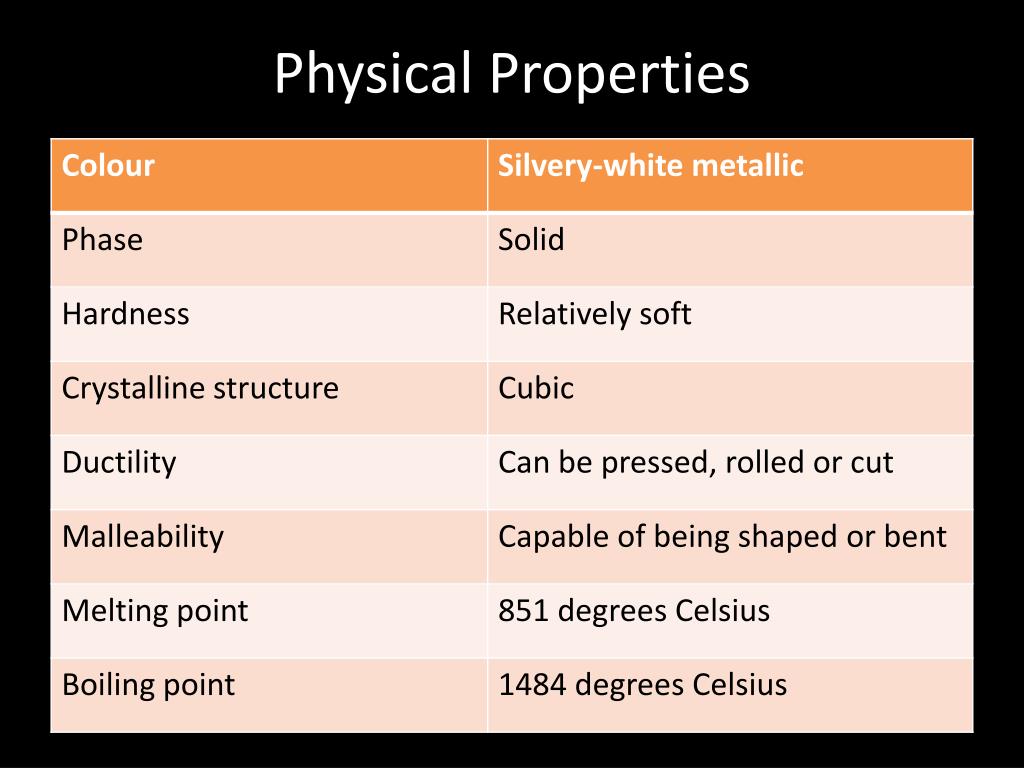
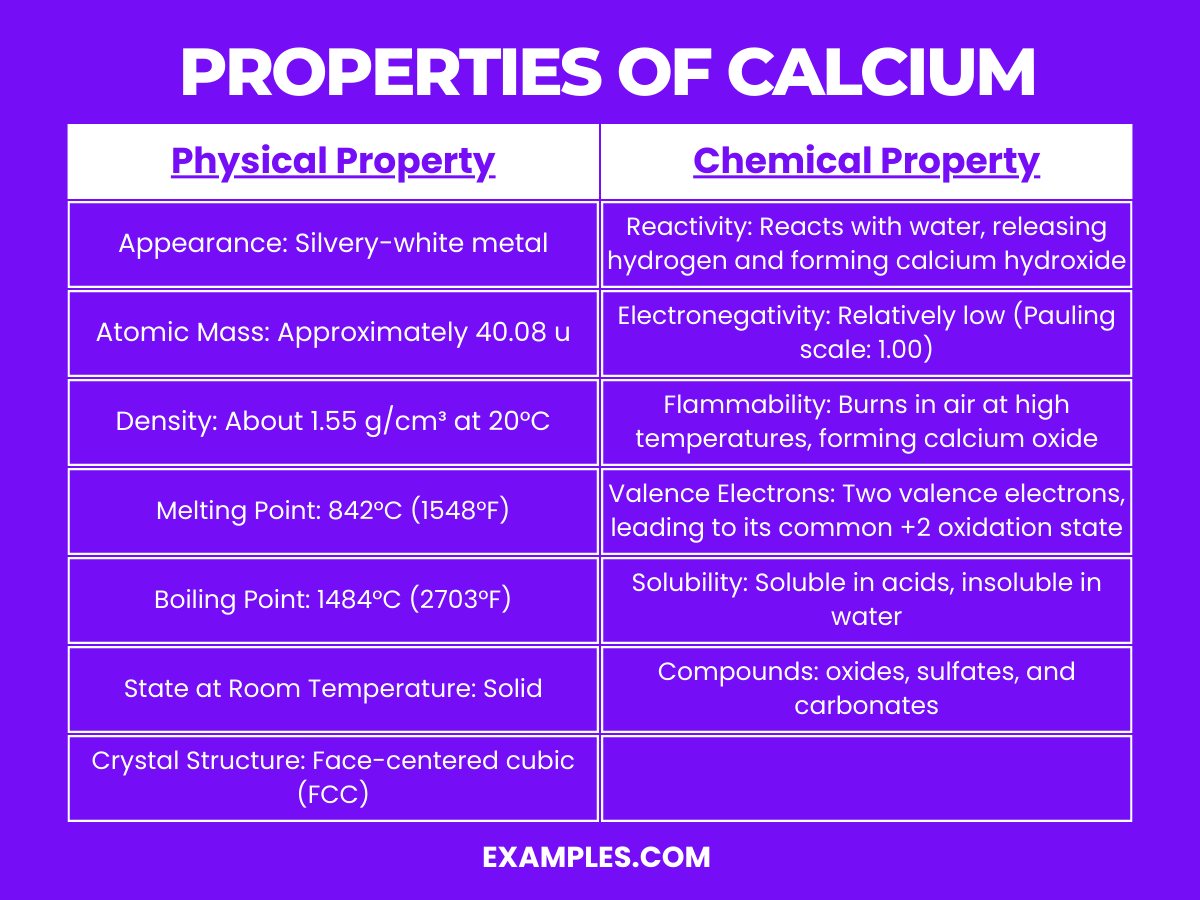
So, what's the big deal? Well, calcium, in its pure metallic form, is a silvery-white metal. But you almost never see it that way in nature. Why? Because it's highly reactive. This reactivity is one of its most important chemical properties. It readily reacts with oxygen and water in the air, which is why it's usually found in compounds like calcium carbonate (limestone, chalk) or calcium oxide (lime). This reactivity is also key to its many uses.
Think about it: calcium compounds are fundamental building blocks. Calcium carbonate, the main component of limestone, is used to make cement, a critical ingredient in concrete. Without concrete, we wouldn't have skyscrapers, bridges, or even sidewalks! In agriculture, lime (calcium oxide) is used to neutralize acidic soils, creating better growing conditions for crops. This helps farmers improve yields and feed the world. And of course, let's not forget our bodies! Calcium phosphate is the primary mineral in our bones and teeth, providing the structural integrity we need to stand tall and flash those pearly whites. It also plays a vital role in muscle function, nerve transmission, and blood clotting.
Must Read
Now, you might be wondering, "How can I appreciate calcium more effectively?" It's not like you can just go around eating chunks of calcium metal (please don't!). Instead, focus on incorporating calcium-rich foods into your diet. Dairy products like milk, yogurt, and cheese are excellent sources. Leafy green vegetables like kale and spinach also contain calcium, although it might not be as readily absorbed as the calcium from dairy. Fortified foods, such as cereals and plant-based milks, are another good option. Pay attention to the recommended daily intake for your age and lifestyle, and consider talking to your doctor about whether you need a calcium supplement. Remember, getting enough vitamin D is also crucial, as it helps your body absorb calcium.
Beyond diet, consider the everyday things made possible by calcium. Appreciate the sturdy foundation of a building, knowing that calcium-based cement played a key role. When you write on a chalkboard, think about the calcium carbonate that makes the chalk. When you see a lush green field, consider the lime that may have helped improve the soil. By understanding the properties and applications of calcium, you can gain a new appreciation for this essential element and its profound impact on our world and our health. So, the next time someone mentions calcium, remember it's not just about strong bones – it's about building a better world, one calcium atom at a time!