
Phenol Formaldehyde Resin Is Known As Bakelite
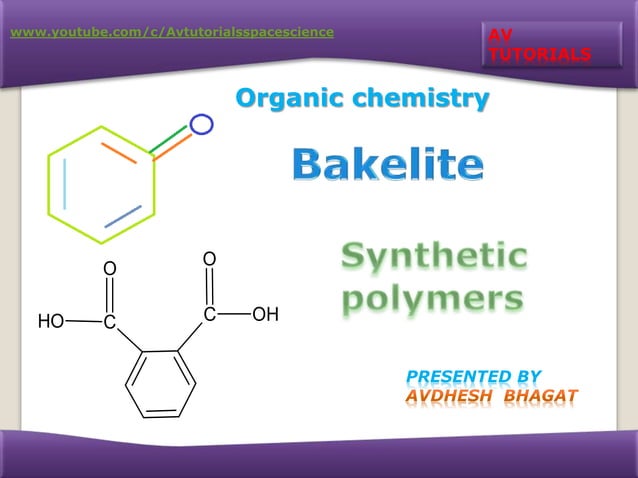
Okay, design lovers, history buffs, and anyone who's ever stumbled upon a quirky antique store – let's talk Bakelite. You might not recognize the name immediately, but you’ve definitely seen it. Think vintage radios, those chunky bangles your grandma used to wear, or even old telephone handsets. Bakelite is the OG of plastics, the material that sparked a revolution. And its fancy name? Phenol Formaldehyde Resin. A bit of a mouthful, isn’t it?
So, why Bakelite? Well, picture the early 20th century. Natural materials like wood, ivory, and rubber were becoming scarce and expensive. Enter Leo Baekeland, a brilliant Belgian-American chemist. He wasn't necessarily trying to invent the first plastic, but he was looking for a synthetic substitute for shellac, used in electrical insulation. What he discovered was something far more groundbreaking.
The Magic of Molding
Bakelite was the first synthetic plastic that could be molded into virtually any shape. It was heat-resistant, non-conductive, and relatively inexpensive to produce. This opened up a world of possibilities. Suddenly, manufacturers could create objects with intricate designs quickly and efficiently.
Must Read
Think about the Art Deco era. Bakelite's sleek, streamlined forms perfectly complemented the movement's emphasis on modernity and industrial chic. From jewelry and decorative objects to electrical components and automotive parts, Bakelite was everywhere. You can almost imagine Jay Gatsby showing off his new Bakelite telephone, right?
Fun Fact: Bakelite doesn’t melt! It's a thermosetting polymer, meaning it undergoes an irreversible chemical change when heated. This makes it incredibly durable and resistant to high temperatures – perfect for things like pot handles and early electronic components.

Spotting the Real Deal
Intrigued and want to add some Bakelite flair to your own life? Here are a few tips for identifying the genuine article:
- The "Smell Test": This is a classic (and slightly controversial) method. When gently rubbed, Bakelite often emits a distinctive odor, sometimes described as camphor-like or slightly medicinal. Be careful not to overheat the object!
- The Hot Water Test: Dip a cotton swab in hot water and rub it on an inconspicuous area. A yellowish stain on the swab might indicate Bakelite.
- The Simichrome Polish Test: This is considered the most reliable test. Apply a small amount of Simichrome polish (available online or at antique stores) to a cotton swab and rub it on the object. If it turns yellowish, it's likely Bakelite.
- Look for Imperfections: Because it was an early plastic, Bakelite often has minor imperfections like swirl marks or slight color variations. This is part of its charm!
Pro Tip: Don't rely solely on one test. Use a combination of methods to confirm your suspicions.
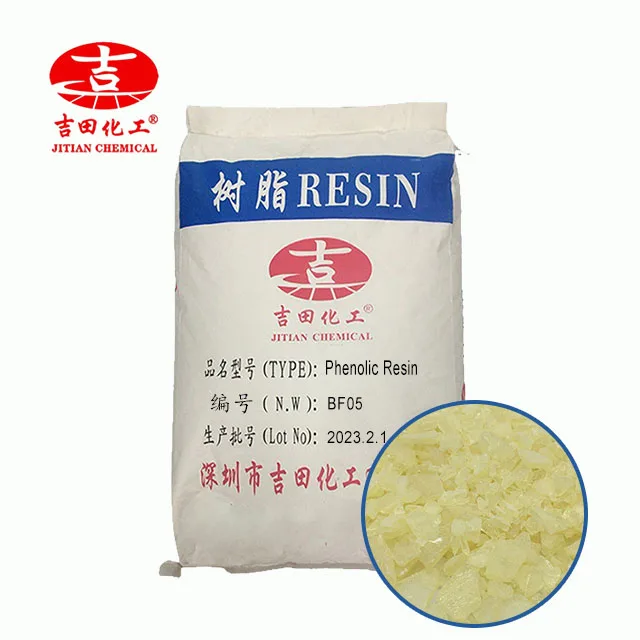
Beyond Antiques: Bakelite's Lasting Legacy
While Bakelite might seem like a relic of the past, its impact is still felt today. It paved the way for the development of modern plastics, shaping our world in countless ways. It demonstrated the potential of synthetic materials and inspired generations of scientists and engineers.
You might not find Bakelite readily available in everyday products anymore (modern plastics have largely taken over), but its influence is undeniable. We still rely on similar thermosetting plastics for various applications, from electrical insulation to automotive components. So, the next time you see a vintage Bakelite radio or a piece of retro jewelry, remember that you're looking at a piece of history – a testament to ingenuity and a reminder of the materials that shaped the modern world.

Consider this: Bakelite, in its time, represented innovation and progress. It offered a new way of thinking about materials and manufacturing. What are the "Bakelites" of today? What innovative materials and technologies are currently shaping our future?
Maybe it's the advanced polymers used in sustainable packaging, or the bio-plastics revolutionizing the medical field. Just like Bakelite, these materials are pushing the boundaries of what's possible, promising a more efficient, sustainable, and innovative future for us all.
