Petrol Where Does It Come From

We all rely on it almost every day, but how many of us have stopped to think about where the powerful liquid we call petrol actually comes from? It's not just conjured up in a lab, and it doesn't just appear out of thin air. Understanding its origin is like uncovering a fascinating mystery that stretches back through geological time, offering a truly mind-boggling perspective on something we often take for granted. This isn't just a science lesson; it's a story of transformation, immense pressure, and incredible energy, making it both useful to know and genuinely popular to discover!
Knowing the journey of petrol isn't just about trivia; it helps us appreciate the complexity of our modern world and the resources that fuel it. It fosters a deeper understanding of energy, the environment, and even the choices we make about our transportation. In a world increasingly focused on sustainable energy, understanding where our current fuel comes from is the first step in envisioning where we're headed next.
So, let's dive into the incredible saga of petrol. It all begins not with a bang, but with a slow, gentle decay. Picture this: millions of years ago, vast oceans teemed with tiny marine organisms – plankton, algae, and other microscopic life. When these organisms died, their remains drifted to the ocean floor, mixing with mud and silt. Similarly, ancient forests and swamps contributed decaying plant matter.
Must Read
Over eons, layers upon layers of sediment buried these organic materials deeper and deeper. As the depth increased, so did the heat and pressure. This intense geological squeezing, combined with the absence of oxygen, prevented the organic matter from fully decomposing. Instead, it slowly transformed.
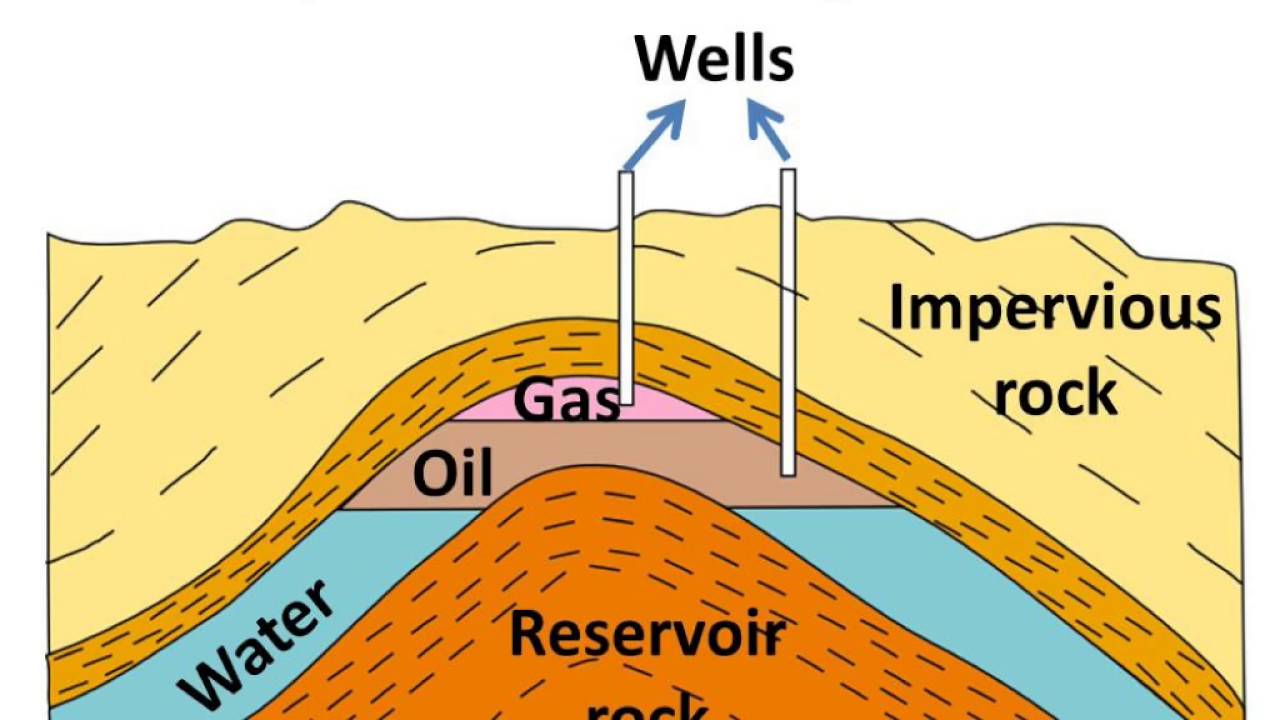
First, it became a waxy substance known as kerogen. With even more heat and pressure over millions more years, this kerogen broke down further into liquid hydrocarbons – what we know as crude oil, and natural gas. These precious liquids and gases then migrated through porous rock, often getting trapped in geological formations, forming vast underground reservoirs.
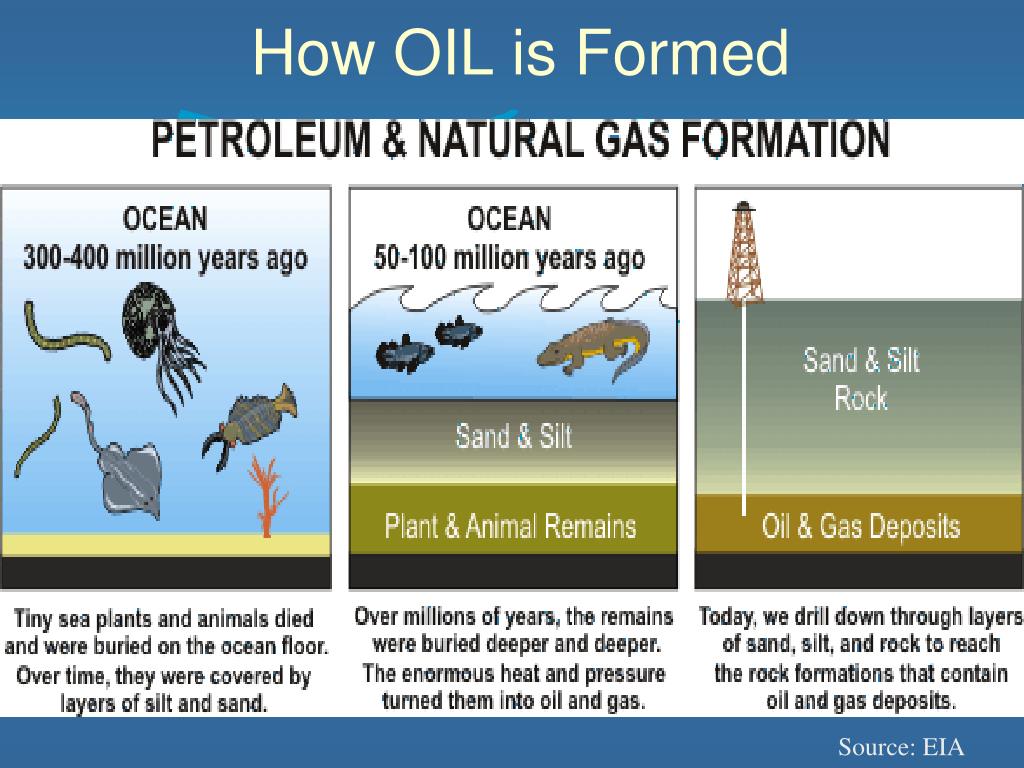
Fast forward to today. When we talk about finding petrol, we're really talking about finding these crude oil reservoirs. Engineers and geologists use sophisticated technology to locate these underground pockets, often thousands of metres below the Earth's surface or even beneath the seabed. Giant rigs then drill down to extract the thick, black, unrefined crude oil.
But that black goo isn't petrol yet! Crude oil is a complex mixture of many different hydrocarbons. It then travels to a refinery, which is essentially a giant chemical factory. Here, the crude oil is heated to extremely high temperatures and fed into tall distillation columns. This process, called fractional distillation, separates the crude oil into its different components, or "fractions," based on their boiling points.
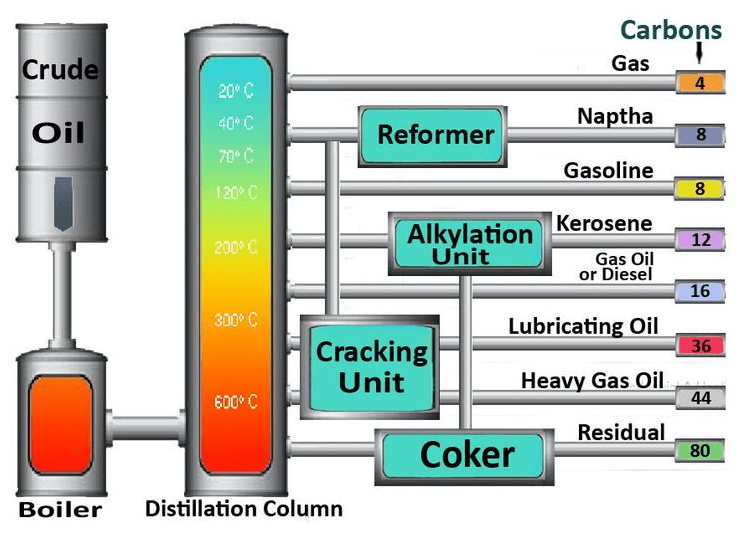
Lighter fractions, like gases (used for heating), rise to the top of the column. Heavier fractions, like asphalt (used for roads), collect at the bottom. Somewhere in the middle, between jet fuel and diesel, we find the fraction that becomes petrol. This petrol fraction then undergoes further processing and blending to meet specific fuel standards and add performance-enhancing additives before it's ready for your car.
So, the next time you fill up your tank, take a moment to appreciate the truly incredible, millennia-long journey that ancient sunlight, microscopic life, immense geological forces, and human ingenuity have undertaken to bring that fuel to your vehicle. It’s not just a liquid; it’s a bottled piece of Earth’s history, and a testament to the planet’s profound energy cycle!