
Periodic Table With Metals Nonmetals And Semimetals

Imagine a giant wall, a colorful grid filled with squares, each representing a unique personality. That’s kind of what the Periodic Table is! But instead of people, it's filled with elements – the basic building blocks of everything around us.
Think of it as the ultimate chemistry yearbook, neatly organizing all the elements based on their properties.
The Metalheads: Shiny, Strong, and Ready to Roll
First up, we have the metals. These guys are the rockstars of the periodic table. They’re typically shiny, conduct electricity like pros, and are usually solid at room temperature (except for mercury, the lone liquid metal rebel).
Must Read
Think of iron, the backbone of skyscrapers, or gold, the symbol of wealth and bling. They’re strong, dependable, and get the job done.
Have you ever wondered why pots and pans are made of metal? Because they heat up quickly and distribute that heat evenly, turning you into a culinary superstar (or at least, someone who doesn’t burn their toast).
And let's not forget the alkali metals, like sodium and potassium. These are the life of the party, super reactive and always ready to mingle (or explode, if you’re not careful). You've probably seen sodium in table salt – essential for flavoring your food!
The Metal Superpowers
Metals aren’t just shiny; they’re also bendable and can be drawn into wires. This is what we call malleable and ductile, respectively.
Imagine trying to make a wire out of chalk. It would just crumble! But with metals like copper, you can create long, thin wires that power our homes and gadgets.
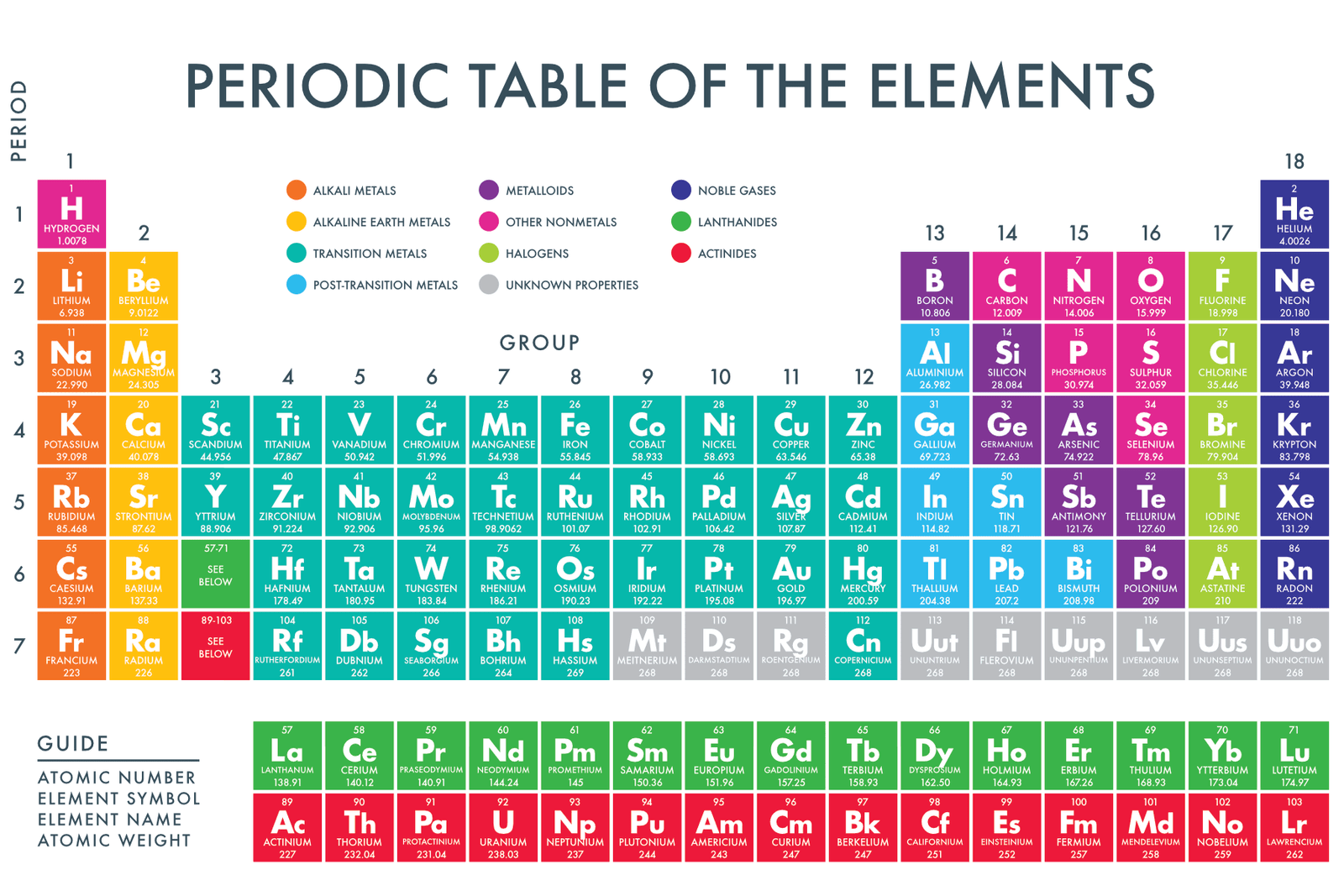
And who can forget about magnetism? Some metals, like iron, nickel, and cobalt, have this magical property that allows them to attract other metallic objects. It's like a superpower for attracting paperclips!
The Nonmetal Mavericks: Diverse and Unpredictable
Now, let's meet the nonmetals. These guys are the opposite of the metals in many ways. They're not shiny, they’re poor conductors of electricity and heat, and they can be solids, liquids, or gases at room temperature.
Think of oxygen, the air we breathe, or carbon, the element that forms the basis of all organic life. These are essential for our survival, even though they might not be as flashy as gold or silver.
Nonmetals are incredibly diverse. Some are brittle solids, like sulfur, while others are gases, like nitrogen. They're the chameleons of the periodic table, adapting to different forms and roles.
Have you ever noticed that the air you breathe doesn't conduct electricity? Thank the nonmetals for that! Otherwise, taking a shower would be a shockingly dangerous experience.
Nonmetal Quirks
One of the most interesting nonmetals is hydrogen. It's the most abundant element in the universe, fueling stars and making up a significant portion of water.

Hydrogen is so unique that it sometimes feels like it doesn't quite fit in with either the metals or the nonmetals. It's a true individual, following its own rules.
And let's not forget the halogens, like chlorine and fluorine. These are highly reactive nonmetals that love to form compounds with other elements. Chlorine is used to disinfect swimming pools, while fluorine is added to toothpaste to prevent cavities. Talk about a dynamic duo!
The Semimetal Switch-Hitters: Sometimes Metal, Sometimes Not
Last but not least, we have the semimetals, also known as metalloids. These elements are the bridge between the metals and the nonmetals, exhibiting properties of both.
Think of silicon, the superstar of the semiconductor industry. It's neither a great conductor nor a great insulator, but its conductivity can be controlled, making it perfect for electronic devices.
Semimetals are the ultimate switch-hitters. They can act like metals under certain conditions and like nonmetals under others. This makes them incredibly versatile and useful in a variety of applications.
Without semimetals, our computers, smartphones, and other electronic gadgets wouldn't exist. They're the unsung heroes of the digital age!
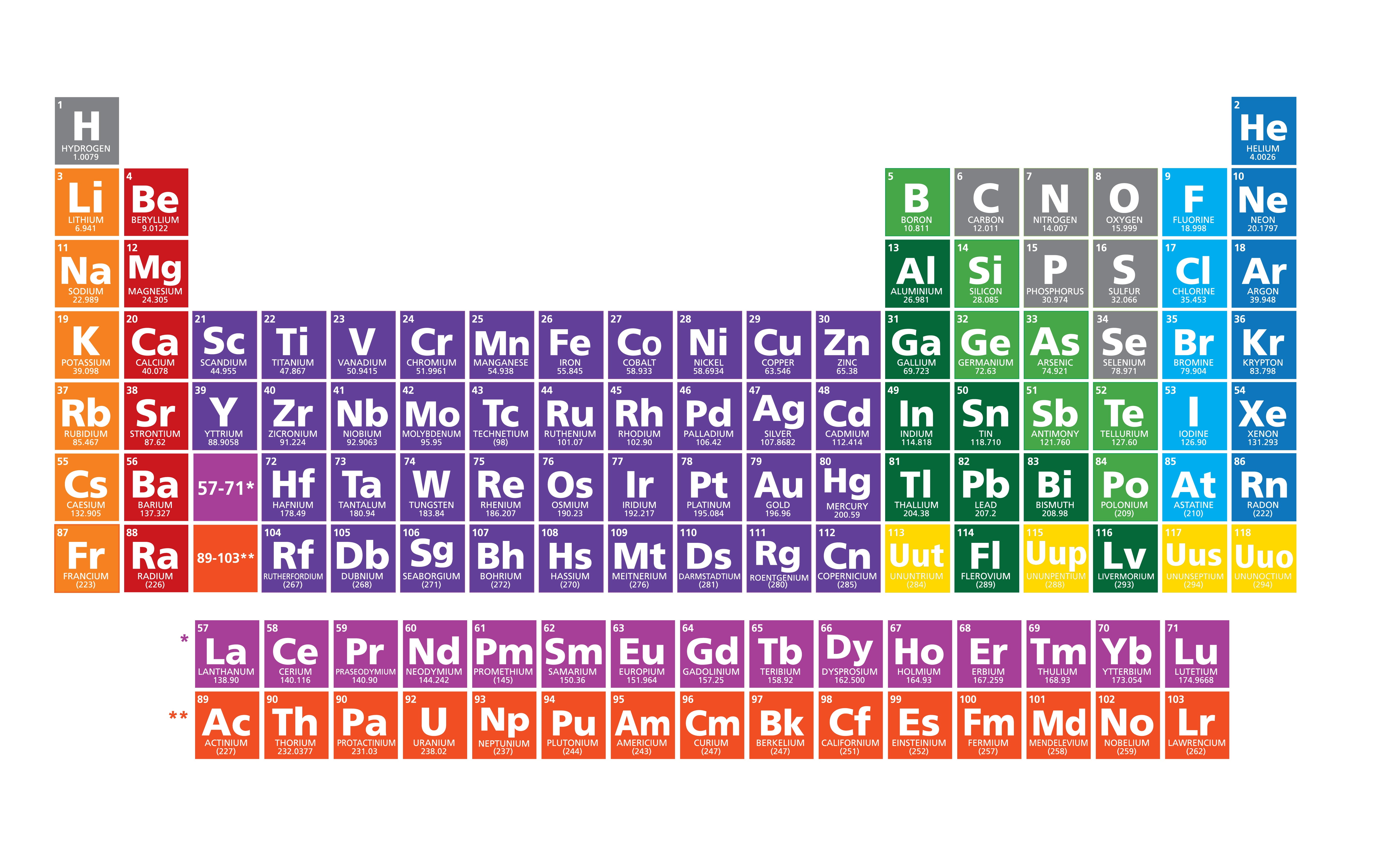
Semimetal Superpowers
Silicon, for example, is a key component in solar panels. It can absorb sunlight and convert it into electricity, helping us harness the power of the sun.
And germanium, another semimetal, is used in transistors and other electronic components. It's a crucial ingredient in the recipe for modern technology.
Semimetals are the perfect example of how elements can be more than just one thing. They're flexible, adaptable, and full of surprises.
The Periodic Table: A Family Portrait
So, there you have it: the metals, the nonmetals, and the semimetals – the three main groups of elements in the periodic table. Each group has its own unique characteristics and quirks, but they all work together to make up the world around us.
Think of the periodic table as a family portrait, with each element playing a unique role in the grand scheme of things. Some are strong and reliable, others are reactive and unpredictable, and still others are flexible and adaptable.
The next time you look at the periodic table, don't just see a grid of symbols and numbers. See a collection of fascinating personalities, each with its own story to tell. It's a story of atoms, molecules, and the amazing world we live in.
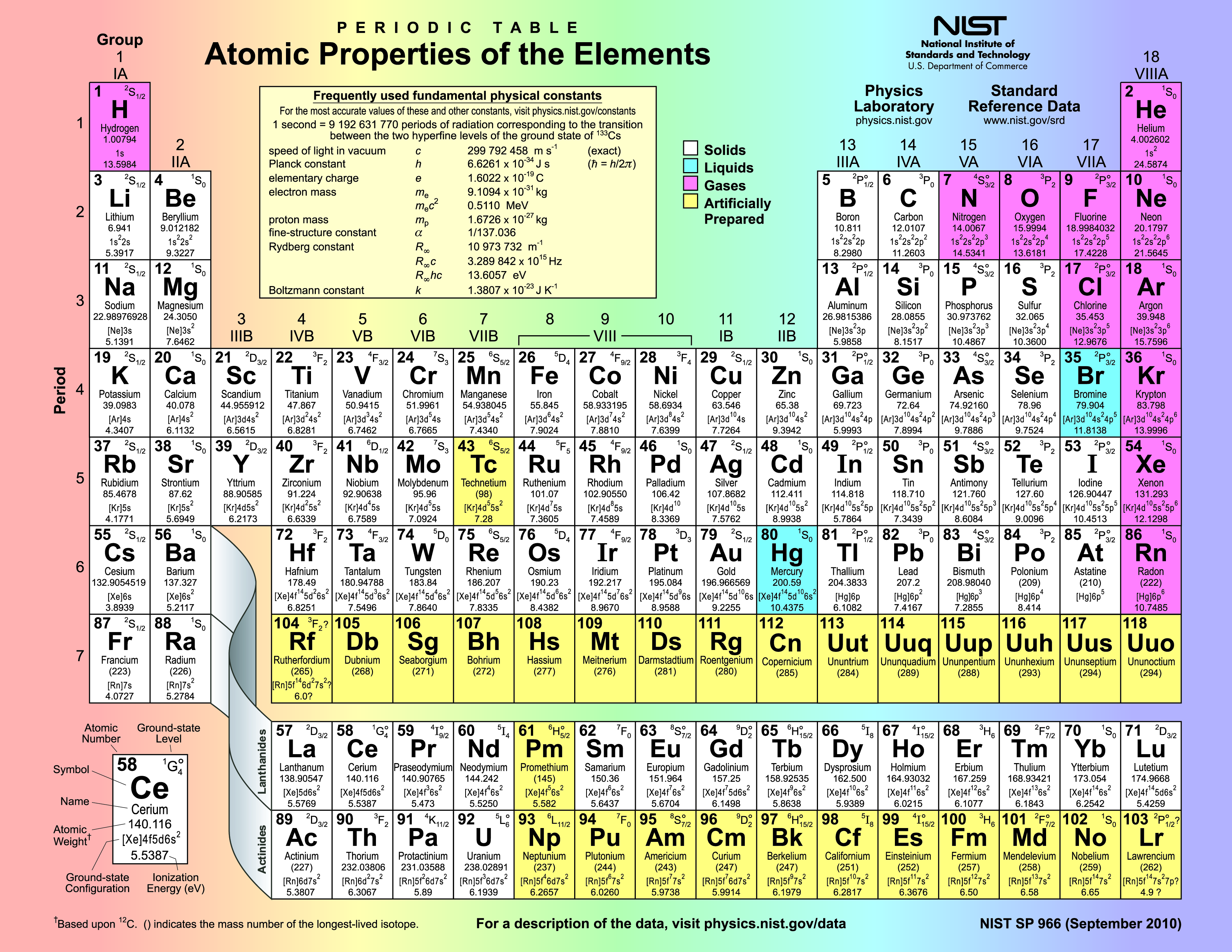
Understanding the Periodic Table and its inhabitants, the elements, is like having a secret key to the universe. It unlocks the mysteries of chemistry, physics, and everything in between.
So, embrace your inner scientist, explore the periodic table, and discover the wonders of the elements. You might be surprised at what you find!
Who knows, you might even find your new favorite element!
Remember, the periodic table isn't just a chart; it's a story of discovery, innovation, and the endless possibilities of the natural world.
So go ahead, dive in and explore the amazing world of elements! You might just discover something extraordinary.
And always remember, chemistry is not just a subject; it's an adventure!