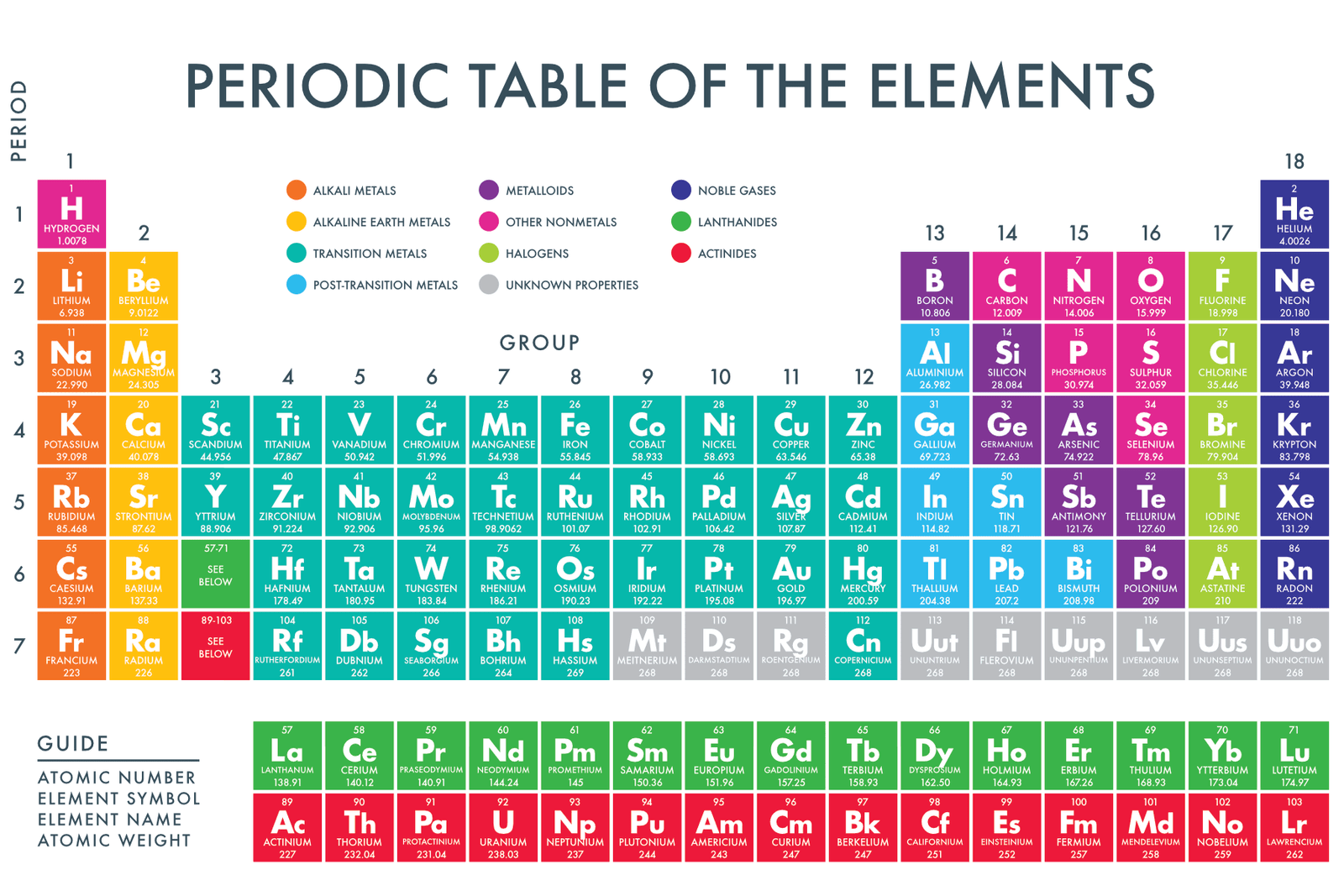
Periodic Table With Metals Non Metals And Metalloids

Imagine the periodic table as a giant, quirky apartment building. Each element is a tenant, living in their own neatly numbered suite. And just like any good apartment building, it's got different types of residents – the Metals, the Nonmetals, and the Metalloids. They're not just sharing the same floor plan; they're interacting, causing little chemical dramas, and sometimes, even a bit of sparkle!
The Shiny, Showy Metals
First, let's visit the Metals. These guys are usually the life of the party. They're shiny, they're good conductors (think electricity flowing smoothly through them – they’re like the express lane!), and they're generally very reactive, meaning they love to mingle and make new compounds. Think of Gold (Au), all blingy and resistant to corrosion – the ultimate socialite who never loses her luster. Or Iron (Fe), the workhorse of the building, strong, dependable, but prone to a little rust (oxidization!) when exposed to the elements. Even Sodium (Na), though highly reactive, is essential for life, helping our nerves fire and muscles contract! They're always doing something, these metals!
Metals are also incredibly generous. They tend to give away electrons, those tiny negatively charged particles, like handing out party favors. This is what makes them so good at forming bonds with other elements, especially the nonmetals. Think of it as the metals being the ultimate gift-givers, spreading positive vibes throughout the building (because losing negative electrons makes them positively charged!).
Must Read
The Diverse and Mysterious Nonmetals
Now, let's venture over to the Nonmetals. This group is a bit more diverse and…well, let's just say they have character. They're not as flashy as the metals, and they tend to be poorer conductors of electricity. But they're incredibly important! Oxygen (O), for example, is essential for breathing – kinda hard to have a party without air, right? Carbon (C) is the backbone of all organic molecules, the building block of life itself! And Chlorine (Cl), despite its pungent smell, is a fantastic disinfectant, keeping everything clean and healthy.
Nonmetals are the electron hoarders of the periodic table. They're greedy for those negatively charged particles, which makes them excellent partners for the generous metals. This electron swapping is what forms many of the compounds we rely on every day, from the salt on our tables (Sodium Chloride – NaCl) to the water we drink (Hydrogen Oxide – H2O).
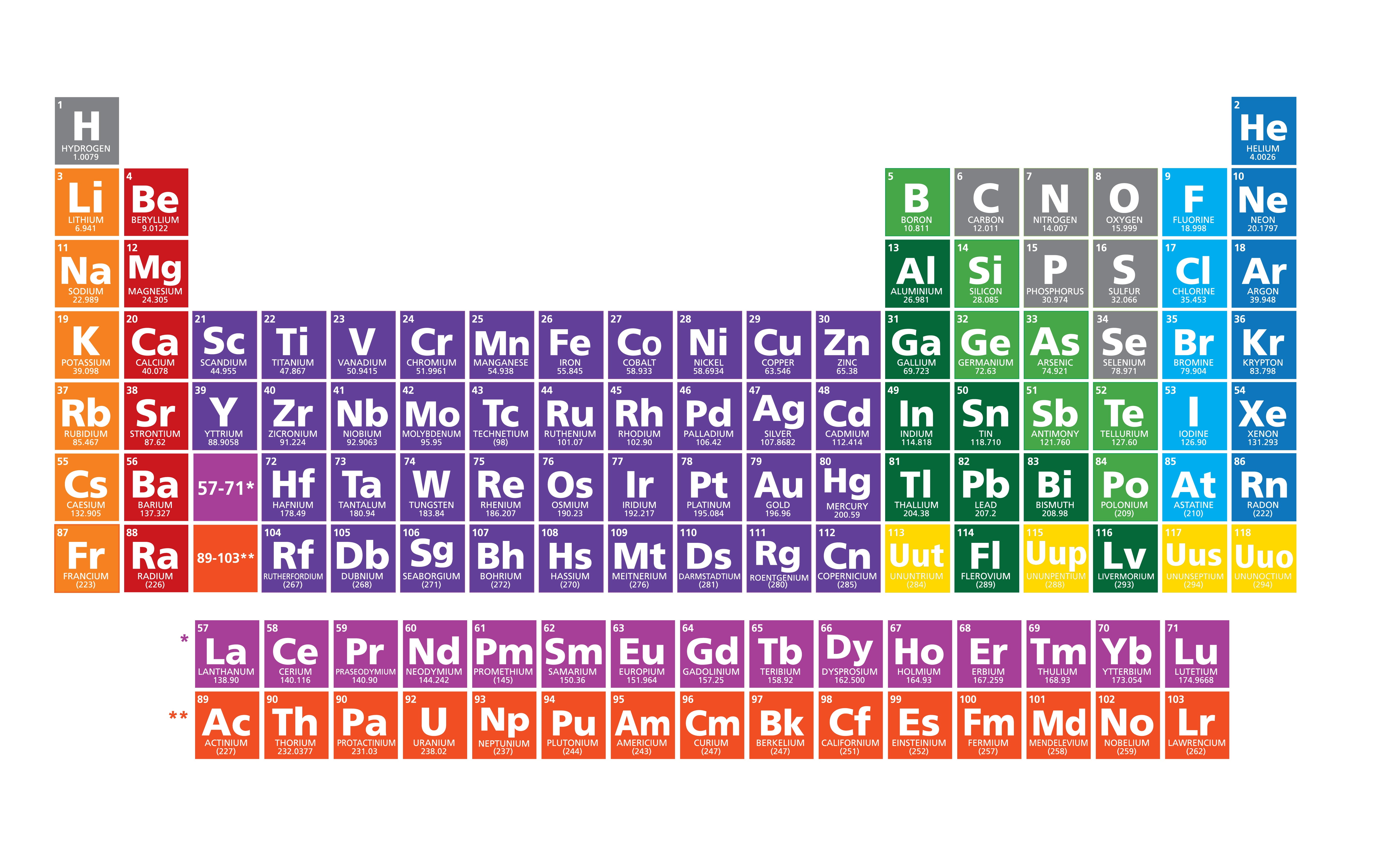
The Enigmatic Metalloids: The Fence-Sitters
And finally, we have the Metalloids. These are the chameleons of the periodic table, the residents who can't quite decide if they're metal or nonmetal. They possess properties of both, making them incredibly useful in the world of semiconductors. Silicon (Si), for example, is the key ingredient in computer chips. It can conduct electricity under certain conditions, allowing us to control the flow of information and power all our gadgets.
Think of the Metalloids as the adaptable diplomats of the apartment building. They can get along with both the Metals and the Nonmetals, bridging the gap between these two distinct groups. They might not be the flashiest residents, but they're essential for keeping everything running smoothly and connecting everyone together.
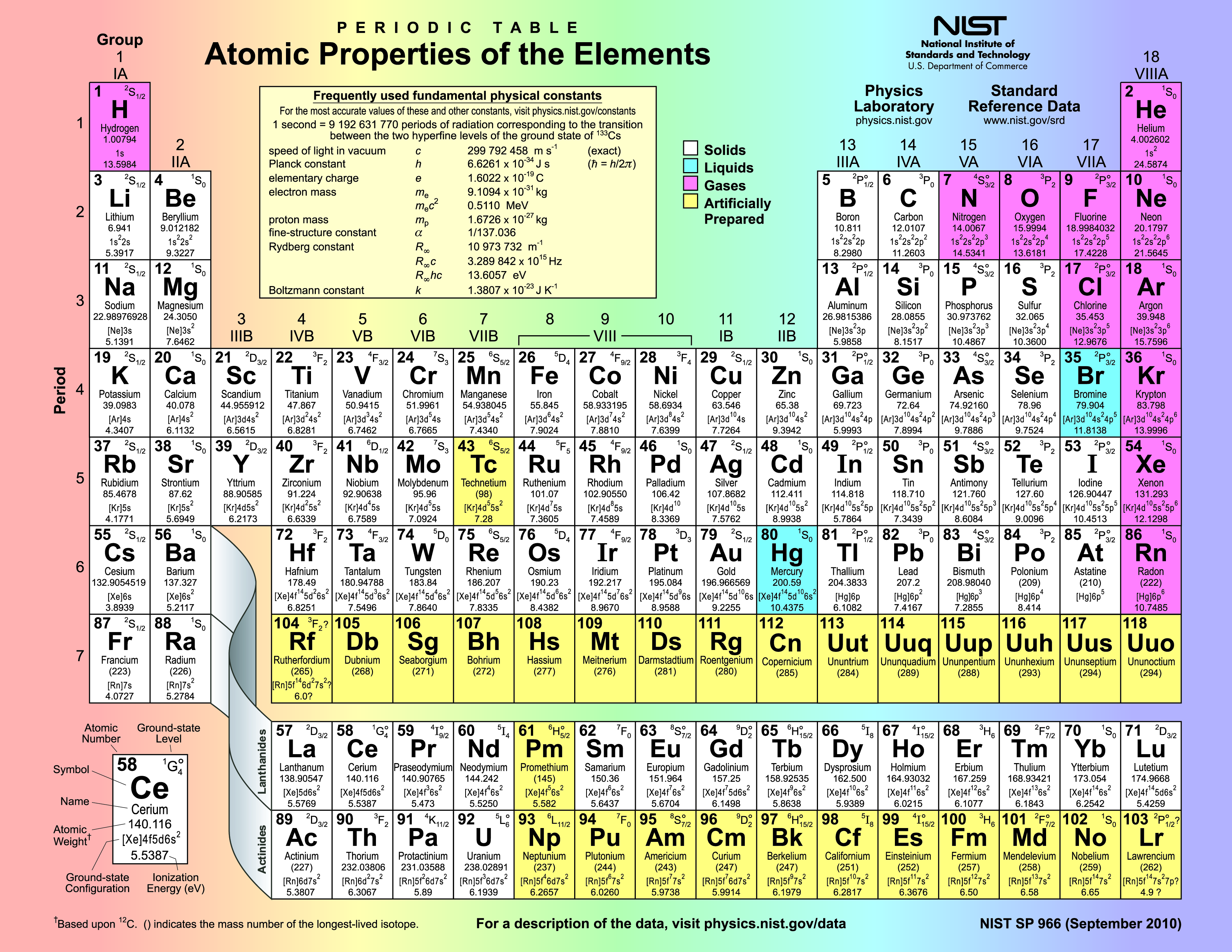
“The periodic table is more than just a chart; it's a story of the elements, their personalities, and their relationships with each other.”
The beauty of the periodic table lies not just in its organization, but in the incredible diversity and interconnectedness of its elements. The metals, the nonmetals, and the metalloids all play vital roles, creating a symphony of chemical reactions that shape our world. From the shiny gold in our jewelry to the oxygen we breathe, each element has its own unique story to tell. And by understanding their properties and relationships, we can gain a deeper appreciation for the amazing chemistry that surrounds us every day.
So, the next time you glance at a periodic table, don't just see a grid of symbols. Imagine it as a vibrant community, filled with quirky personalities and fascinating interactions. See the shiny, generous metals, the diverse and mysterious nonmetals, and the adaptable metalloids working together, creating the world as we know it. It’s a chemical comedy, a scientific saga, and a whole lot of elemental fun!
And remember, chemistry is everywhere!