
Passivating Stainless Steel With Nitric Acid
Ever feel like your stainless steel stuff just isn't living up to its "stainless" promise? Like it's getting a little... tarnished? Well, my friend, you've stumbled upon a secret weapon: passivation with nitric acid!
Now, before you picture a mad scientist cackling over bubbling beakers (although, let's be honest, that sounds pretty cool), let's break down what this is all about. Think of it as giving your stainless steel a super-powered shield against the elements. We're talking rust prevention on a whole new level!
What is Passivation Anyway?
Must Read
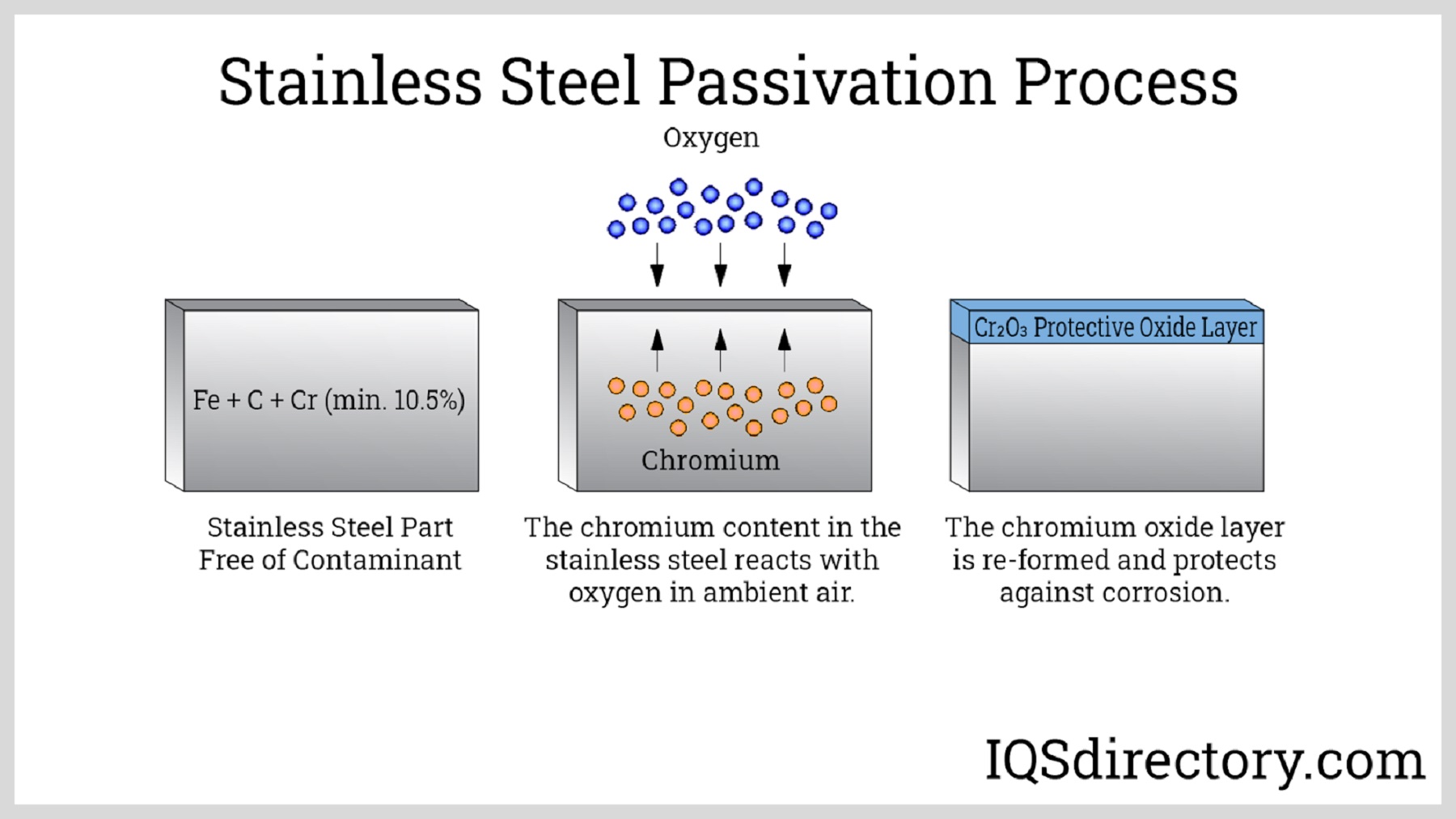
Imagine stainless steel as a bustling city. On its own, some areas are vulnerable to attack from the corrosive elements – you know, the villains of the metal world. Passivation is like building a super-strong force field around that city. This force field is a thin, invisible layer of chromium oxide that forms on the surface. It's incredibly tough and self-healing, meaning if it gets scratched, it quickly repairs itself. Pretty neat, huh?
Without this protective layer, the iron in the stainless steel can react with oxygen and moisture, leading to rust. And nobody wants rusty kitchen gadgets or corroded equipment. It's not just ugly; it can compromise the strength and integrity of the metal.
Why Nitric Acid? Is it Scary?

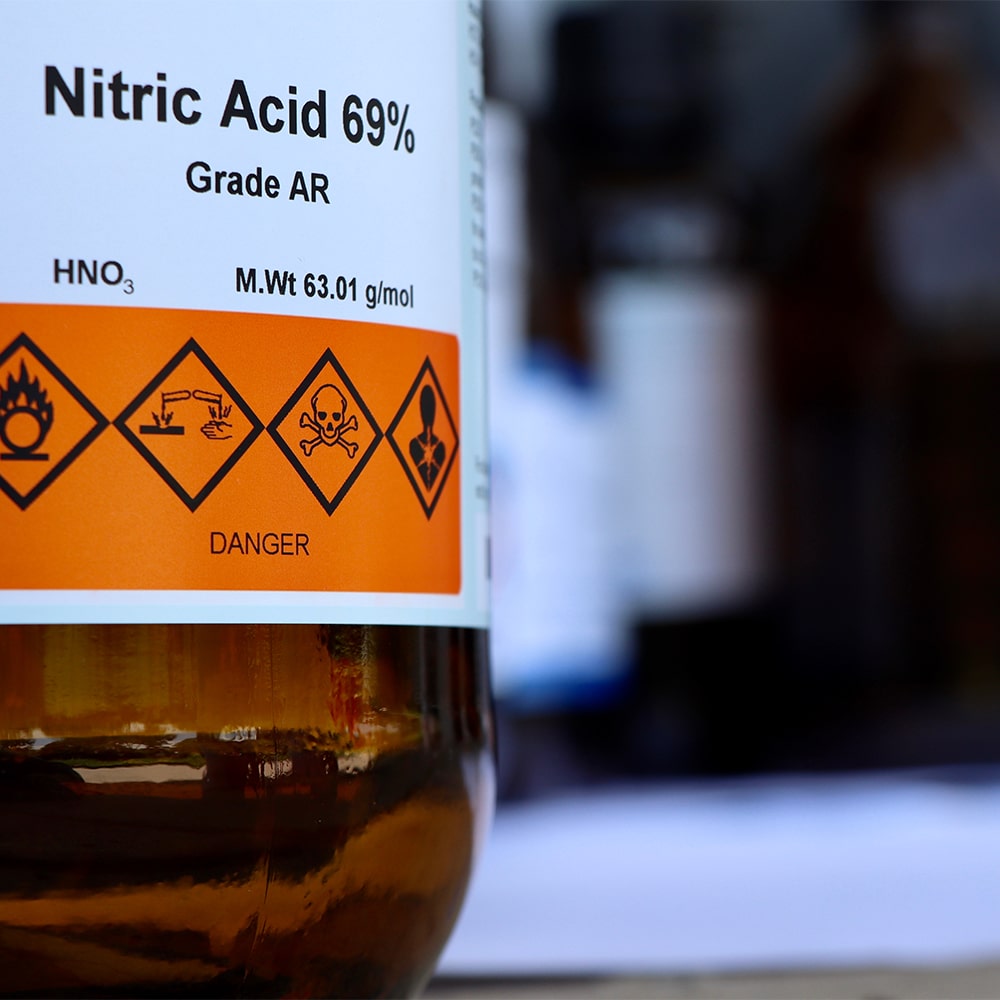
Okay, I get it. "Acid" sounds intimidating. But hear me out! Nitric acid, in the right concentration and used with proper precautions, is an excellent tool for encouraging the formation of that chromium oxide layer. It essentially speeds up and enhances the natural passivation process.
Think of it like giving the chromium a little pep talk: "Hey, get out there and protect this steel!" And the chromium, being the good element it is, responds by creating that amazing protective layer. Basically, nitric acid helps get the job done efficiently and effectively. And while we're on the subject of safety, let's be clear: always use appropriate personal protective equipment (PPE) like gloves and eye protection when working with any chemicals. Safety first, friends!
The Perks of Passivation: Why Should You Care?
So, why bother with all this? Well, here's the good stuff:
- Increased Corrosion Resistance: This is the big one! Your stainless steel will be far less likely to rust or corrode, even in harsh environments.
- Extended Lifespan: Because it's protected from corrosion, your equipment and components will last longer, saving you money in the long run. Who doesn't love saving money?
- Improved Appearance: A passivated surface is cleaner and more resistant to staining, keeping your stainless steel looking its best.
- Enhanced Performance: In some applications, passivation can even improve the performance of stainless steel components by reducing friction or improving weldability.
Think about it: imagine a world where your stainless steel grill lasts for years, your surgical instruments remain pristine, and your industrial equipment operates flawlessly. That's the power of passivation!
Is it Just for Industrial Applications?
While passivation is widely used in industries like aerospace, medical, and food processing, it's not just for the pros. You might encounter passivated stainless steel in everyday items like kitchenware, tools, and even jewelry. While you likely won't be passivating your forks at home, understanding the process helps you appreciate the durability and longevity of these items.
DIY Passivation: Proceed with Caution (and Research!)
While professional passivation services are often recommended, smaller-scale DIY passivation is possible. However, it's crucial to do your research and follow safety guidelines meticulously. We're talking precise concentrations, controlled temperatures, and, of course, that essential PPE. Don't just wing it! A poorly executed passivation can be worse than none at all. (Seriously, don't wing it.)
A World of Possibilities!
So, there you have it – a glimpse into the fascinating world of stainless steel passivation with nitric acid. It might sound technical, but the underlying principle is simple: protect your metal, extend its life, and enjoy the benefits of durable, reliable stainless steel. It’s like giving your stuff a superpower!
And think about it – this is just one small corner of the vast and exciting world of materials science. There's a whole universe of knowledge out there waiting to be explored, from alloys and polymers to composites and ceramics. Understanding how materials behave and how to improve their performance can unlock incredible possibilities in engineering, manufacturing, and even everyday life.
Feeling inspired? Good! Now go forth and explore! Learn more about metallurgy, chemistry, and the incredible science behind the materials that shape our world. Who knows, you might just discover the next big breakthrough. The power is in your hands (and your brain!). Happy learning!