
Onn Wireless Reciever How To Use With A Different Mouise
Okay, so picture this: I'm elbow-deep in a spreadsheet, deadline looming, and suddenly…nothing. My trusty (read: ancient) mouse decides to stage a dramatic exit, complete with a clicking sound that can only be described as a death rattle. Panic sets in. I rummage through my drawer of forgotten tech, unearthing an Onn wireless receiver. “Score!” I thought. Until I realized… it’s not paired with its original mouse. Cue the face palm. Sound familiar? You’re not alone in the wireless receiver wilderness, my friend.
The good news? You might be able to use that Onn wireless receiver with a different mouse. The bad news? It's not always a walk in the park. But hey, who doesn't love a little tech adventure? Let's dive in!
Understanding the Challenge: Why Isn't it Automatically Working?
Before we get started, let's understand why simply plugging in the receiver and expecting magic doesn't usually work. Most wireless mice (and keyboards) use a proprietary connection. Think of it like a secret handshake. The mouse and receiver are pre-programmed to recognize each other and ignore everyone else. This helps prevent interference and keeps your neighbor from accidentally controlling your cursor. (Unless, of course, they're really dedicated...)
Must Read
So, when you try to use an Onn receiver with a different mouse, they're essentially strangers. They haven't been introduced! They don't know the secret handshake! That's why we need to try and force an introduction. Figuratively speaking, of course. No actual hand-holding involved.
Possible Solutions (And When They Might Work):
Alright, here's where things get interesting. There are a few avenues we can explore, but keep in mind that success isn’t guaranteed. We’re dealing with finicky technology here.
1. The Unifying Software (If You're Lucky):
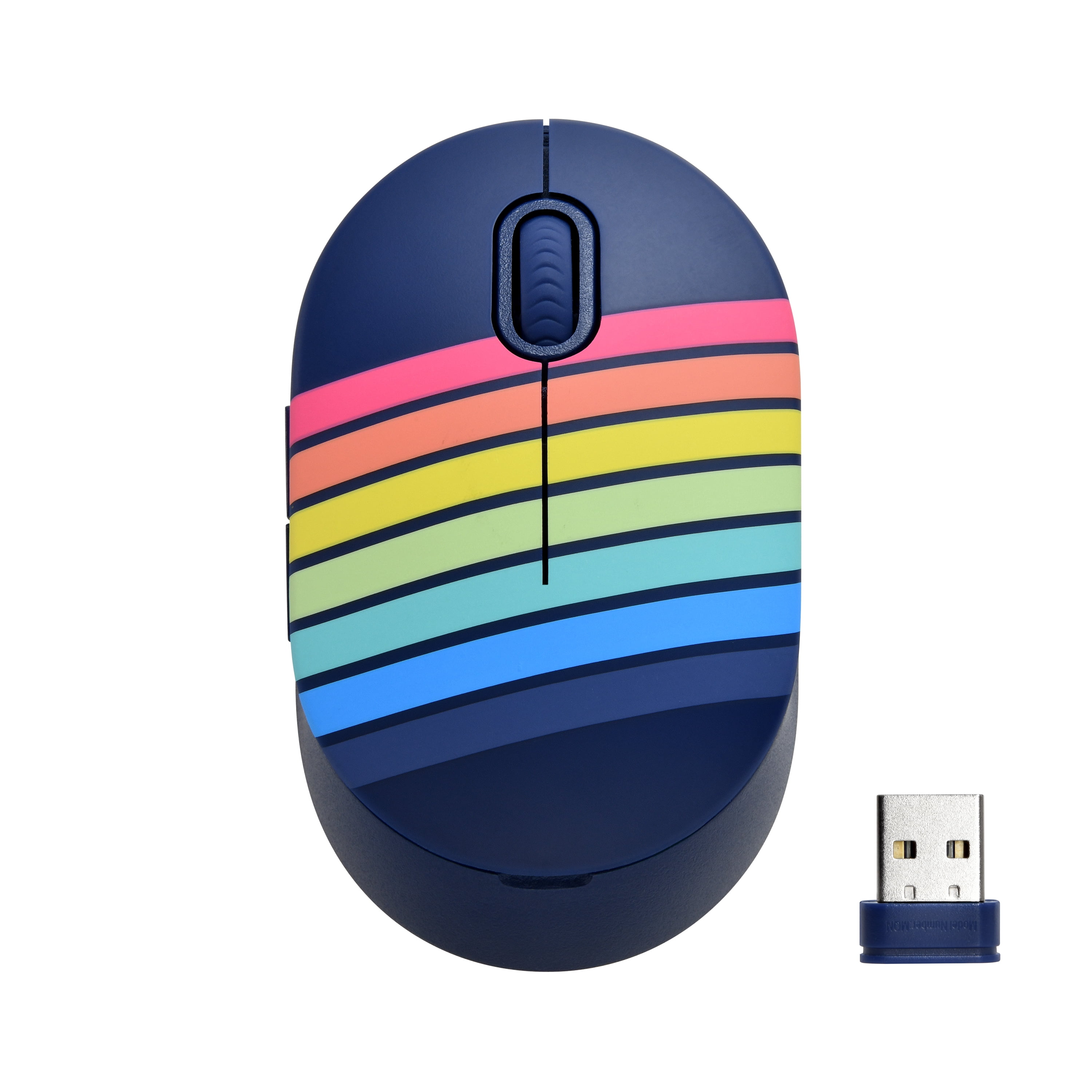
Some wireless mice, particularly those from Logitech (and potentially some others, though less common), use a technology that allows a single receiver to connect to multiple devices. They often have a “unifying” logo on the receiver and/or the device itself. If your new mouse is a unifying mouse (and potentially even if it's not), you might be able to use Logitech's Unifying software to pair it with the Onn receiver.
Now, I know what you're thinking: "But it's an Onn receiver, not a Logitech one!" And you're right. This is a long shot, but sometimes, in the vast world of generic electronics, things are...rebranded. It's worth a try!

To try this, download the Logitech Unifying software from their website. Follow the on-screen instructions. The software will guide you through the pairing process. Fingers crossed!
2. The "Is There a Reset Button?" Approach:
Some older wireless devices have a small "connect" or "reset" button on the receiver and on the mouse itself. The idea is that you press the button on the receiver, then quickly press the button on the mouse, and they will attempt to pair. This is a more rudimentary method, and it's less common on newer devices, but it’s worth a quick look. Check the underside of your mouse and the sides of the receiver for tiny buttons. Look closely! They can be sneaky.
3. The "It's All About the Chipset" Theory (Advanced & Less Likely):
This is getting into the weeds a bit, but bear with me. Some tech enthusiasts believe that if the Onn receiver and the new mouse use the same or a compatible chipset (the brains of the wireless communication), there might be a way to force a pairing using advanced software tools. However, this requires a deep understanding of hardware and software, and it's beyond the scope of a casual user. Proceed with extreme caution! You could potentially brick your devices if you're not careful.

4. The "Accept Defeat and Buy a New Mouse" Option (The Most Realistic):
Okay, let's be honest. In many cases, the simplest solution is to just buy a new wireless mouse with its own receiver. Wireless mice are relatively inexpensive these days, and you'll save yourself a lot of frustration. Think of it as an investment in your sanity. Besides, who doesn’t love a new gadget?
Final Thoughts: Don't Beat Yourself Up
Trying to get a mismatched wireless receiver and mouse to play nice can be a frustrating experience. If you've tried the above methods and still can't get it to work, don't feel bad. Wireless technology can be fickle. The important thing is that you gave it a shot. And hey, maybe you learned something along the way! Now go forth and conquer your spreadsheets (hopefully with a working mouse)!