
One For The Plug And One For The Load Meaning
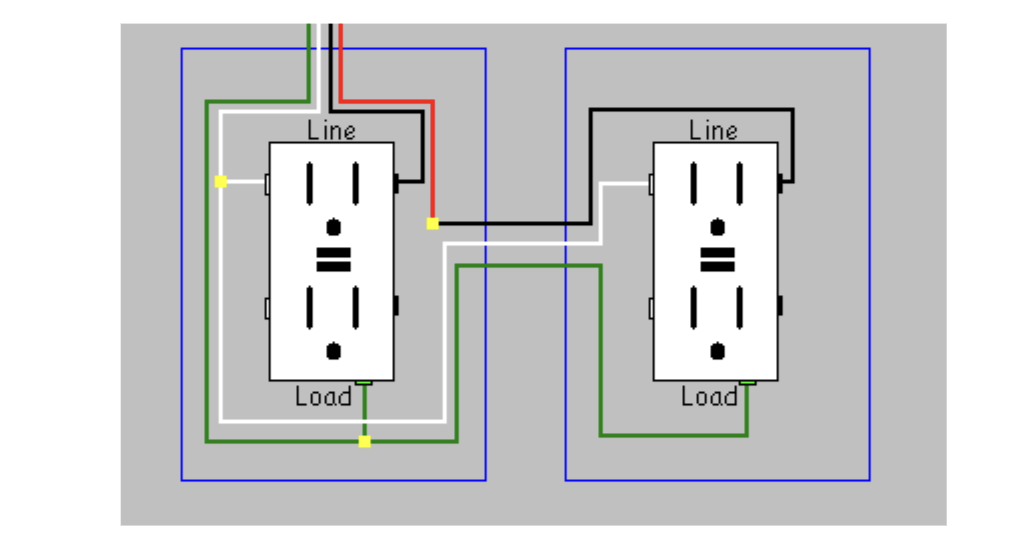
Hey there, friend! Ever heard someone say, "One for the plug, and one for the load?" It sounds a bit cryptic, right? Like some secret code only electricians or... I don't know, smugglers... use? Well, fear not! I'm here to decode it for you in the most fun and easy way possible. No need to call Sherlock Holmes, I got you covered!
So, What's the Deal?
Alright, buckle up, buttercup! The phrase "One for the plug, and one for the load" is all about understanding how electrical circuits work. Think of it like this: electricity needs a complete path to flow, like a tiny, energetic river.
The "plug" is where the power enters the circuit. Imagine it as the source, the beginning of our energetic river. It's where the electrical potential, the push that gets things moving, originates. Often, this is the positive terminal (+), or sometimes the "hot" wire (usually black or brown, but always check!).
Must Read
The "load", on the other hand, is what uses the power. This is where the magic happens! Light bulbs, motors, toasters (mmmm, toasters...), all are loads. They take the electrical energy and turn it into something useful (or delicious). The load is usually connected to the negative terminal (-), or the "neutral" wire (often white or blue).
Basically, it's saying you need both sides of the electrical connection to make things work. No plug? No power coming in. No load? Nowhere for the power to go! It's like trying to have a conversation by only talking – who's going to listen?

Think of it like a battery. A battery has a positive (+) and a negative (-) end. If you only connect one side of a battery to something, nada! Zilch! Nothing happens. You need both connections for the electricity to flow and power your, say, ridiculously oversized flashlight.
Why the Funny Phrase?
Good question! Honestly, I don't know exactly when or where this phrase originated. It's just one of those quirky little sayings that popped up in the electrical trade. Maybe it was invented by a particularly witty electrician trying to explain circuits to a newbie? (Picture a guy in overalls, leaning back, puffing on a cigarette – purely for illustrative purposes, of course! Don't smoke, kids!).
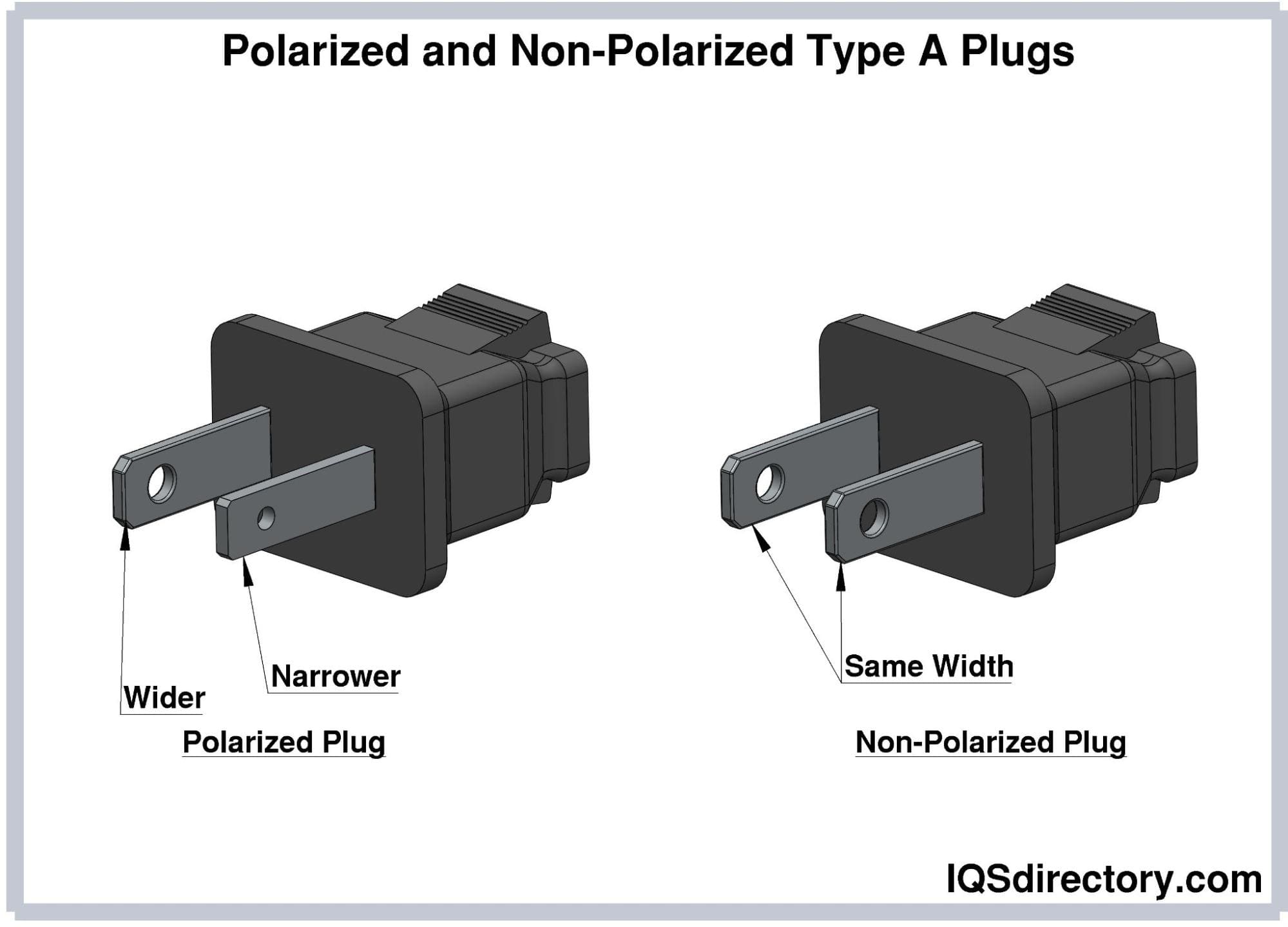
The important thing is that it's a memorable way to remind yourself (or someone else) about the fundamental principle of electrical circuits. It's catchy, it's a little silly, and it gets the point across. What more could you ask for?
So, How Does This Help Me?
Well, even if you're not planning on rewiring your house anytime soon (and seriously, don't unless you really know what you're doing!), understanding the concept of "one for the plug, and one for the load" can be surprisingly useful.
For instance, if you're troubleshooting a faulty appliance, it can help you think logically about the problem. Is the appliance properly plugged in (the "plug" part)? Is the appliance itself working correctly (the "load" part)?

Or, maybe you're just trying to explain basic electricity to a curious kid. "One for the plug, and one for the load!" is a much more engaging explanation than droning on about electron flow and potential difference, right?
Important Safety Note! Working with electricity can be dangerous. If you're ever unsure about something, please consult a qualified electrician. Seriously. Electricity is not something to mess around with. Leave it to the pros!

The Takeaway: It's All About Connection
Ultimately, "one for the plug, and one for the load" is a reminder that things work best when they're properly connected. Whether it's an electrical circuit, a team project, or even a relationship, you need both sides to be fully engaged and contributing for things to flow smoothly.
So, the next time you hear this phrase, you'll know exactly what it means. You'll be able to nod sagely, impress your friends with your newfound electrical wisdom, and maybe even fix a flickering light bulb or two (safely, of course!).
Remember: stay positive, stay connected, and keep that energy flowing! You've got the power to make great things happen. Now go out there and shine!