Ocean Wind Farms Pros And Cons

Ever gazed out at the vast, open ocean and imagined towering structures harnessing its incredible power? Well, you're not alone! Ocean wind farms are quickly becoming a fascinating and increasingly relevant topic, transforming our energy landscape in ways that are both exciting and, understandably, a little complex. Learning about them isn't just for scientists; it's a peek into our future, offering a blend of environmental innovation and engineering marvels that's genuinely fun to explore.
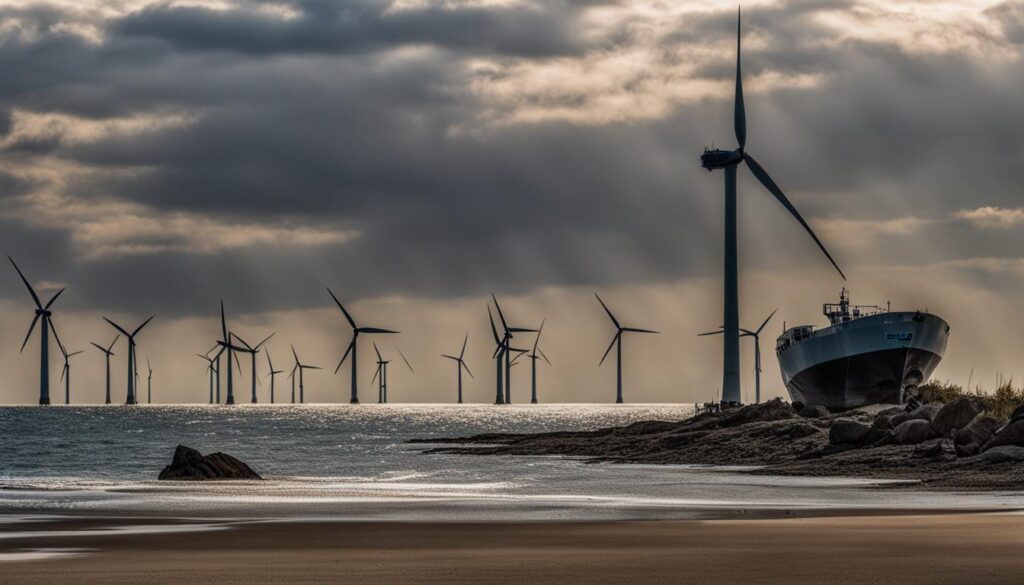
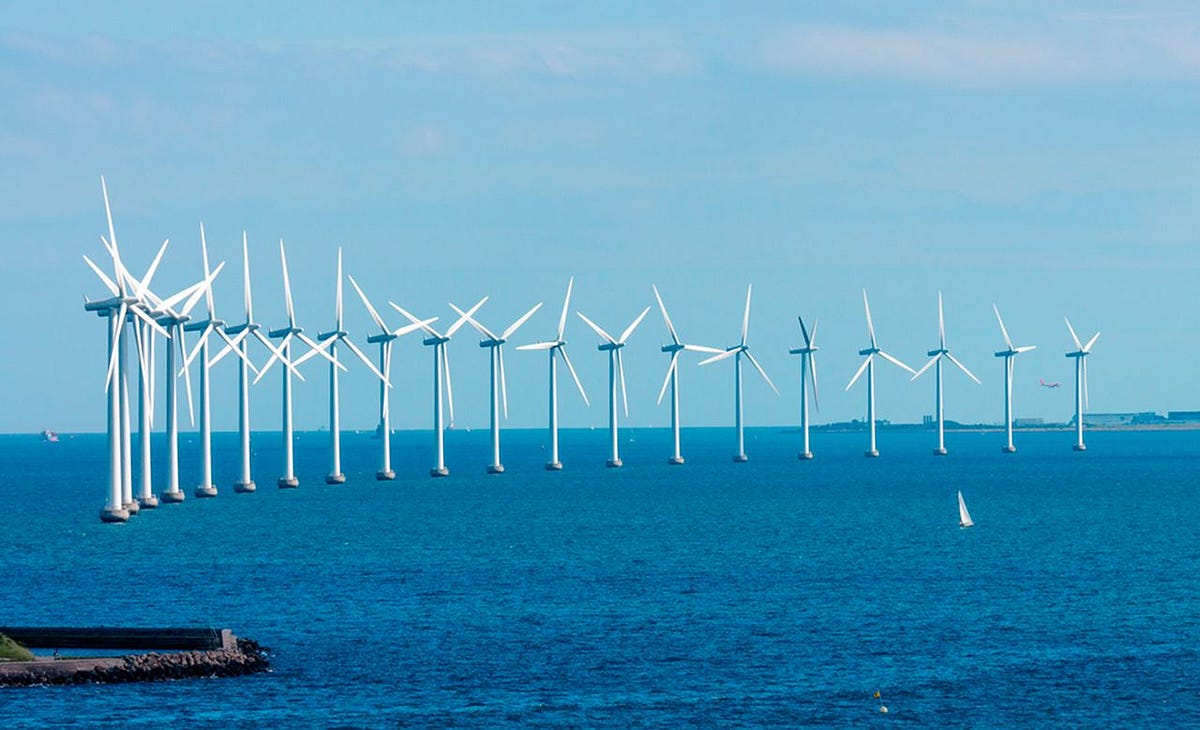
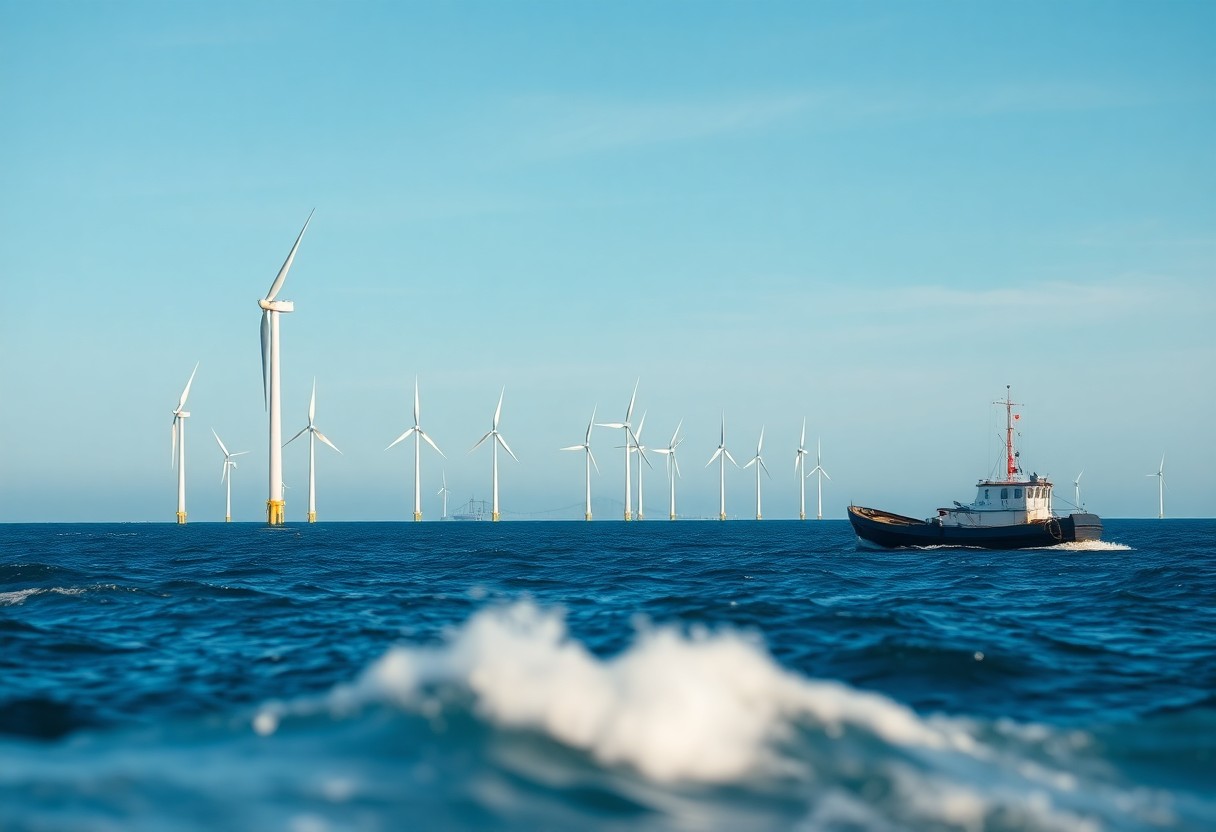
So, what exactly are these offshore giants all about? In a nutshell, ocean wind farms are collections of wind turbines strategically placed in the sea, away from land, to capture the stronger, more consistent winds found there. Their primary purpose? To generate clean, renewable electricity on a massive scale. Think about it: the wind is free, abundant, and doesn't produce carbon emissions, making it a powerful ally in the fight against climate change. The benefits are clear: reduced reliance on fossil fuels, greater energy independence for nations, and the creation of countless new jobs in manufacturing, installation, and maintenance. Imagine entire cities powered by the invisible force of the wind – that's the dream these farms are working towards.
Of course, like any grand endeavor, ocean wind farms come with their own set of challenges, making the "pros and cons" discussion incredibly rich. On the "con" side, there's the significant upfront cost of building these massive structures in a harsh marine environment. Then there's the potential impact on marine ecosystems; concerns range from noise during construction affecting whales and dolphins, to the turbines themselves becoming obstacles for migratory birds, or altering habitats on the seabed. There's also the visual impact – some find the sight of them majestic, while others worry about their effect on scenic coastal views. It's a delicate balance between progress and preservation that we're constantly trying to perfect.
Must Read
How does this touch our daily lives or education? In classrooms, ocean wind farms offer fantastic case studies for lessons in physics, engineering, environmental science, and even economics. Students can explore the aerodynamics of turbine blades, model their energy output, or debate the ethical considerations of development versus conservation. In our daily lives, while you might not directly see the wind farm powering your home, the existence of such clean energy sources contributes to a cleaner atmosphere, potentially more stable energy prices, and a more sustainable future for everyone. It's about understanding where our power comes from and the choices we make for the planet.
Want to explore this fascinating world a bit more? It’s surprisingly easy! You can start by watching documentaries on renewable energy – many highlight the impressive engineering behind these projects. Dive into websites from organizations like the Global Wind Energy Council or national energy agencies for the latest updates and research. A quick search on Google Maps can even show you existing offshore wind farms off the coasts of Europe or the US, letting you virtually "visit" them. If you live near a coast where proposals are being discussed, attending local meetings or reading news reports can offer a real-world look at the complexities involved. It's a journey into the future of energy, and it's well worth taking!