Nylon 6 And Nylon 66 Difference
Ever paused to think about the incredible journey of the materials that make up our daily lives? From the clothes on our backs to the ropes securing a tent, or even the bristles of our toothbrush, synthetic polymers play a starring role. And among the true superstars, nylon stands tall. It’s not just one thing, though! It has a fascinating family, and today, we're going to peek behind the curtain at two of its most prominent "cousins": Nylon 6 and Nylon 66. Learning about them isn’t just for chemists; it's a fun way to appreciate the clever engineering hidden in plain sight, helping us understand why certain things are made the way they are.
So, what’s the big deal with nylon in general? Well, it's famous for its remarkable combination of properties: it's incredibly strong, wonderfully durable, resistant to abrasion, and often quite flexible. These traits make it an ideal choice for everything from high-performance athletic wear to industrial components that need to withstand a lot of wear and tear. It essentially offers a fantastic blend of resilience and versatility, making it a go-to material for engineers and designers worldwide.
Now, about our two cousins: Nylon 6 and Nylon 66. The "6" and "66" actually refer to the number of carbon atoms in the molecular building blocks, or monomers, used to create them. That might sound a bit science-y, but the upshot is that these different starting ingredients lead to distinct characteristics.
Must Read
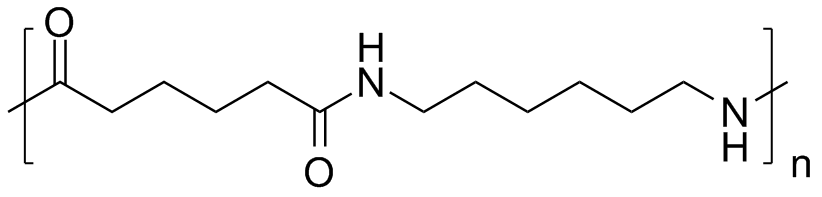
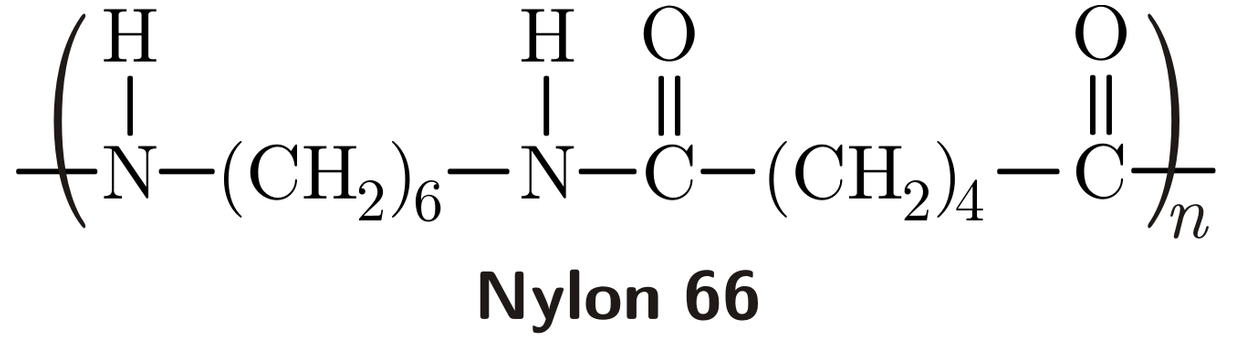
Nylon 66 is made from two different monomers, each containing six carbon atoms, hence the "66". This structure generally gives Nylon 66 a reputation for being stronger, a bit more rigid, and possessing a higher melting point. Think of it as the tough, unyielding sibling. You'll often find Nylon 66 in applications where maximum strength and resistance to heat or repeated stress are crucial. For instance, it's commonly used in things like automotive parts (engine components, radiator tanks), heavy-duty industrial gears, and some robust carpeting types.
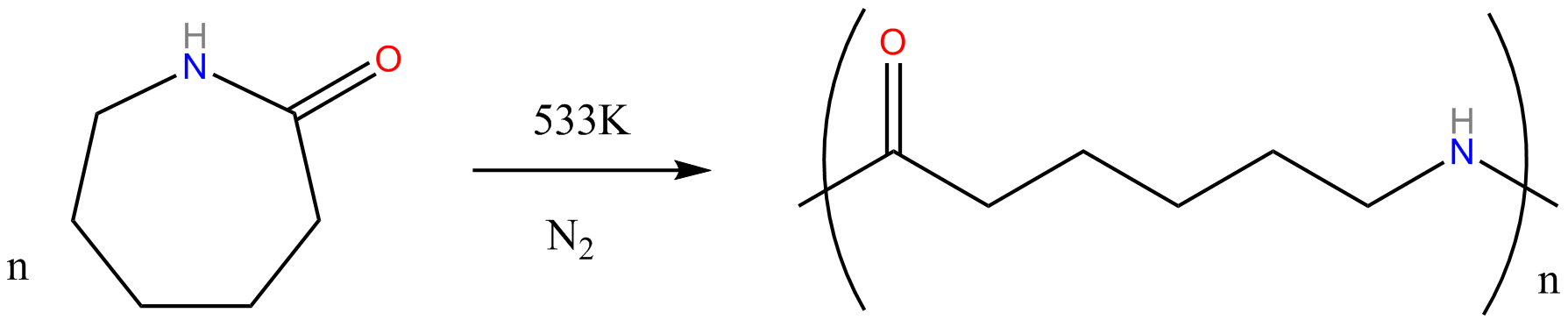
On the other hand, Nylon 6 is made from just one type of monomer, which also has six carbon atoms, giving it the "6". This single-monomer structure tends to make Nylon 6 generally more flexible, with better impact resistance and a slightly lower melting point. It's the more adaptable, resilient sibling. Where might you encounter Nylon 6? It’s a favorite for things like ropes, fishing lines, toothbrush bristles (where flexibility is key!), certain types of packaging films, and various textile applications where dyeability and comfort are paramount, such as hosiery and some sportswear.
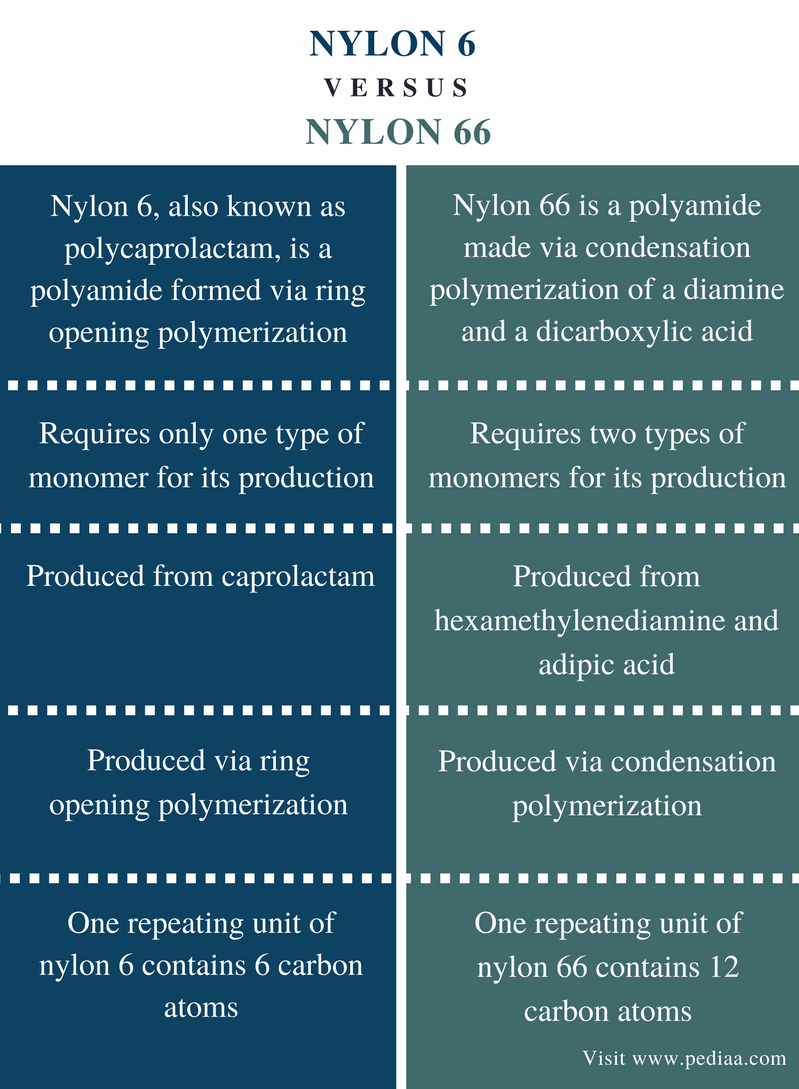
So, while both are fantastic nylons, their subtle molecular differences mean they each excel in different roles. It's not about one being "better" than the other, but rather about choosing the right tool for the job. They are both excellent at what they do, just optimized for slightly different performance profiles.
Want to explore this fascinating difference yourself? Next time you pick up a product made of nylon, try to observe its properties. Is it exceptionally stiff and rigid, like a piece of sturdy luggage or an industrial casing? Or is it more pliable and resilient, like a fishing line or a soft, durable fabric? While manufacturers don't always label which specific nylon they use, knowing these differences can help you appreciate the engineering choices made. You might even find technical specifications for certain high-performance gear that explicitly state "Nylon 6" or "Nylon 66." It’s a small detail, but it speaks volumes about the thought put into even the most common everyday materials we often take for granted. So go on, become a material detective – you might be surprised by what you discover!