Numbers On Welding Rod Meaning
There's a certain magic in taking two separate pieces of metal and, with a flash of light and a shower of sparks, fusing them into one solid, unyielding unit. Whether you're mending a broken garden gate, custom-fabricating a unique piece of art, or even constructing something as vital as a bridge, the act of welding is about more than just joining metal – it's about creation, repair, and the sheer satisfaction of making something stronger than it was before. For many, it’s a hobby, a career, or a practical skill that brings immense gratification, allowing them to fix, build, and innovate with their own two hands.
But beyond the mesmerizing arc and the satisfying sizzle, there's a quieter, yet equally vital, language at play in the world of welding: the series of numbers and letters etched onto every welding rod. These aren't just random markings; they are a secret code, a blueprint, telling you everything you need to know about that particular rod. Understanding these numbers is like having a superpower for your projects. It’s the difference between a weld that holds strong for decades and one that cracks under the slightest stress. The primary benefit? Safety and durability. Choosing the correct rod ensures your welds are strong, reliable, and perfectly suited for the job, preventing dangerous failures and saving you countless hours (and headaches) of rework.
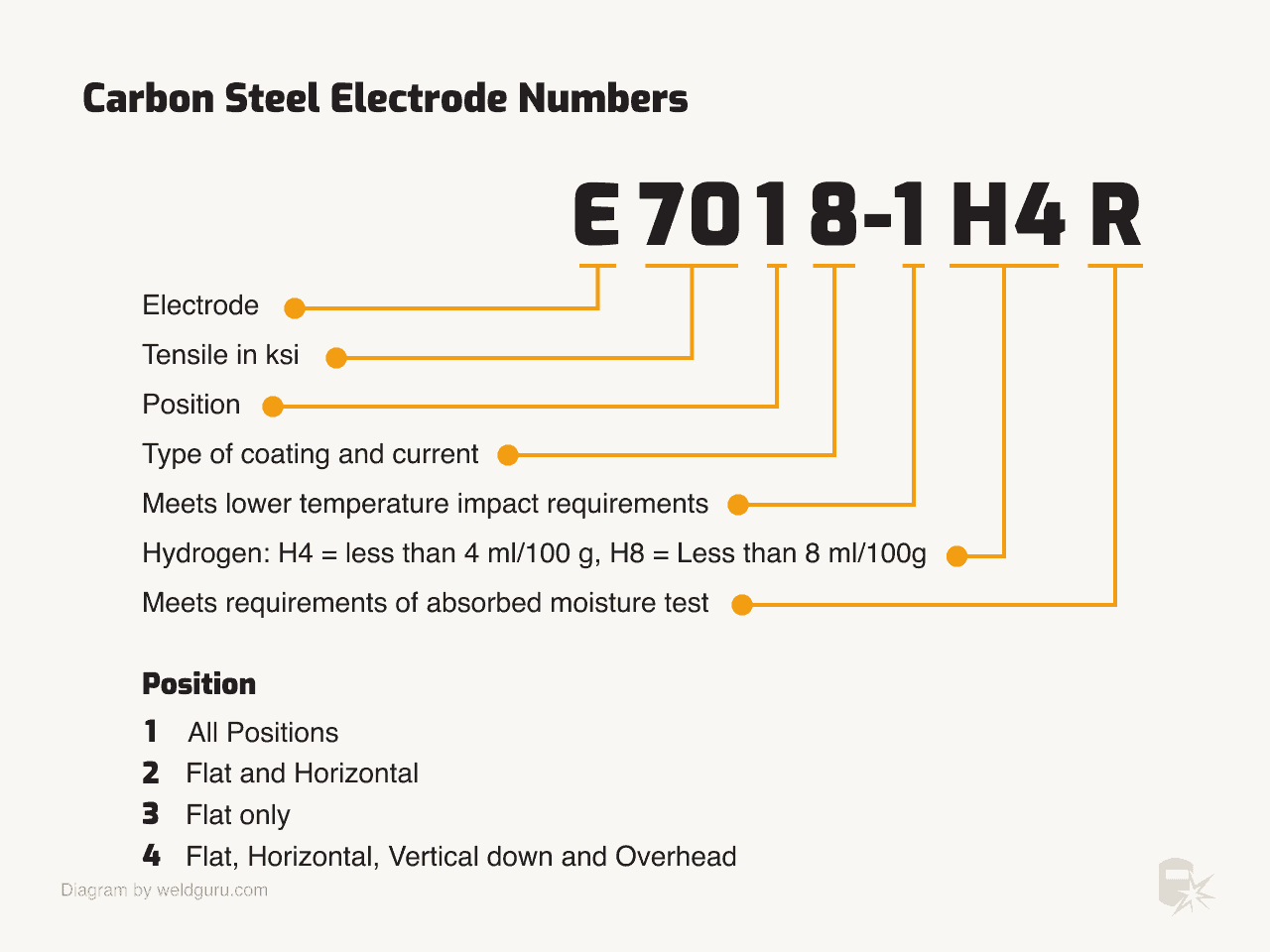
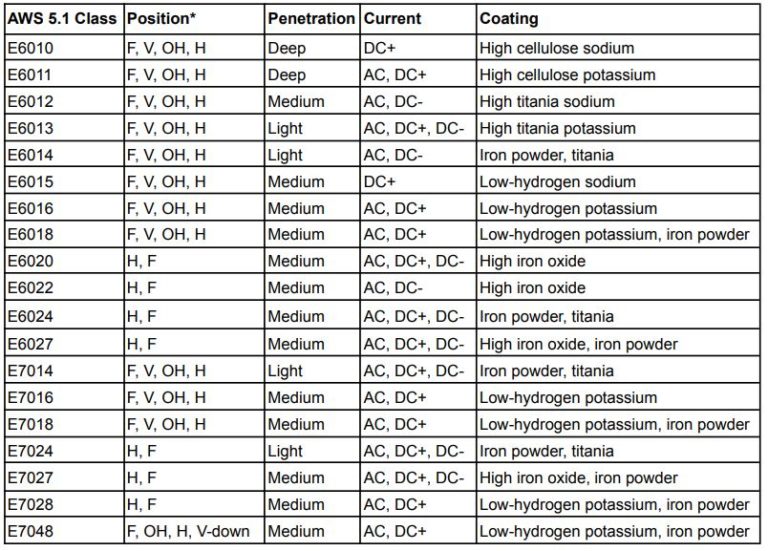
So, what do these enigmatic digits mean? Let's decode them with a common example like E7018. The "E" is easy – it stands for electrode. The next two digits, like "70" in E7018, tell you the weld's tensile strength in thousands of pounds per square inch (PSI). So, E7018 means 70,000 PSI! The third digit, the "1" in E7018, indicates the welding positions the rod can be used in: 1 for all positions (flat, horizontal, vertical, overhead), 2 for flat and horizontal only, and so on. Finally, the last digit, the "8" in E7018, reveals the type of coating on the rod and the kind of welding current (AC or DC) it requires. For example, an E6010 rod, often called a "farmer's rod," is known for deep penetration and works well on dirty metal, while an E7018 is renowned for its strength, smooth bead, and low hydrogen properties, making it ideal for structural applications where integrity is paramount.
Must Read
How can you "enjoy" understanding these numbers more effectively and make your welding journey even more rewarding? First and foremost, never guess. Always take a moment to read the rod number. Second, keep a simple welding rod guide or chart handy, either printed or on your phone. They're readily available online and invaluable for quick reference. Third, don't be afraid to experiment and practice with different rod types on scrap metal. You'll quickly develop a feel for how each one performs. Fourth, always consider your base metal – what are you actually welding? Different metals and thicknesses require specific rods for optimal results. Lastly, remember that understanding these numbers is an integral part of welding safely and effectively. Choosing the right "recipe" for your weld ensures your creations stand the test of time, bringing you a deeper sense of accomplishment with every spark.