
Number Of Category 4 And 5 Hurricanes By Year

Hey there, friend! Ever feel like the weather's just... extra lately? Like Mother Nature decided to crank up the drama dial? Well, you're not alone. Let's dive into the fascinating (and sometimes a little scary) world of Category 4 and 5 hurricanes. Think of this as your "Hurricanes 101" – no textbooks required!
So, what are we even talking about? A Category 4 hurricane packs winds between 130-156 mph. That's enough to do serious damage. Category 5? Hold on to your hats! We're talking winds of 157 mph or higher. That's catastrophic – the kind of force that reshapes coastlines and leaves a lasting impact. Basically, these are the storms that make headlines.
Why Should We Care? (Besides the Obvious!)
Okay, besides the very real threat to life and property (which is, you know, pretty important!), looking at the number of these powerful hurricanes year by year gives us a peek into larger trends. It can hint at changes in our climate and help scientists understand what's happening with our oceans and atmosphere. Plus, knowing the patterns helps communities prepare. Knowledge is power, my friend! (And maybe some really strong plywood.)
Must Read
The Rollercoaster Ride: A Year-by-Year Glimpse
Alright, let's get into some numbers! Trying to list every single Cat 4/5 hurricane year by year would be, shall we say, a bit of a snoozefest. Instead, let's look at some interesting trends and notable years. Remember, these are just snapshots; the actual numbers can vary depending on who's doing the counting and how they define things (meteorology isn't an exact science, after all!).
The Early Days (Pre-Satellite Era): Data is a bit spotty before we had satellites constantly watching the Earth. It's like trying to piece together a puzzle with half the pieces missing. We know some truly devastating hurricanes occurred, but accurately classifying them is tricky.
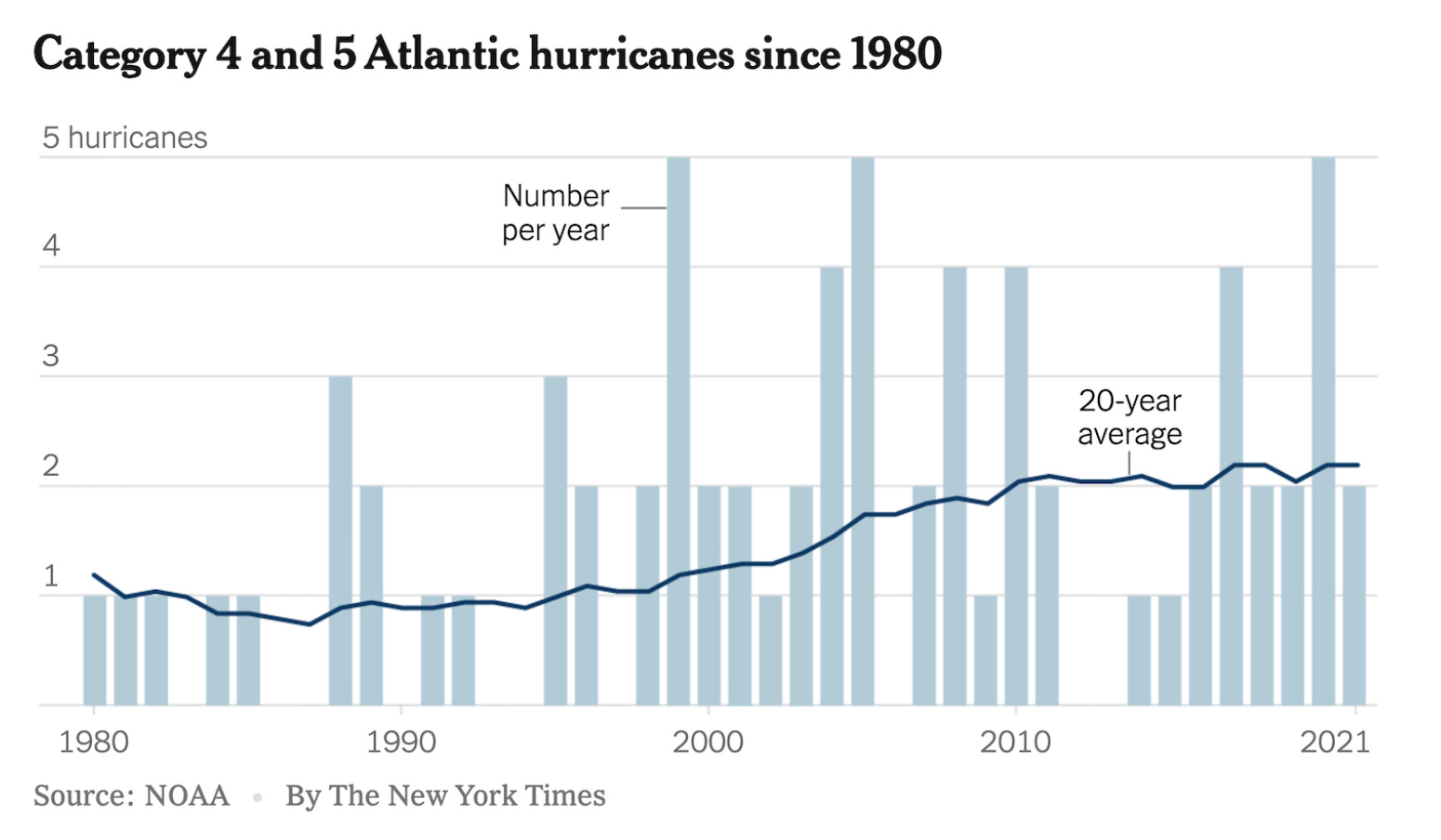
The Satellite Age (1960s - 1990s): This is when our record-keeping gets much better. We start seeing more reliable data on hurricane intensity. You'll notice some years with relatively few major hurricanes, and then BAM! A year like 1969 comes along with a bunch of intense storms. Hurricane Camille (a Category 5) in '69 was a monster.
The Active Era (1995-Present): Many scientists believe we've entered a period of increased hurricane activity. The Atlantic, in particular, seems to be churning out more intense storms. Years like 2005 (Katrina, Rita, Wilma – oh my!), 2017 (Harvey, Irma, Maria – triple threat!) and 2020 (just... a lot!) stand out. It's like the Atlantic Ocean decided to flex its muscles.
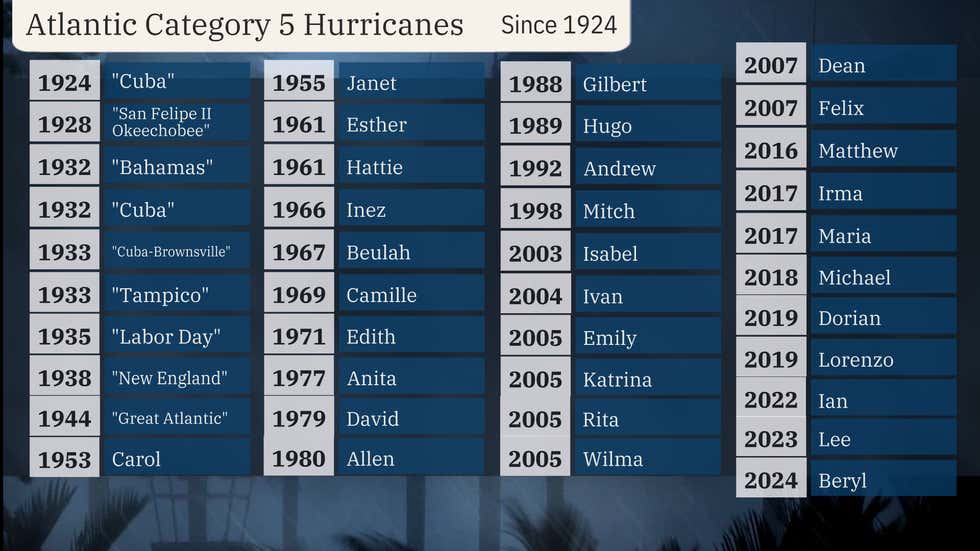
Now, I'm not going to rattle off numbers for every single year. You can find that kind of data online if you're really keen. But the key takeaway is this: there's definitely variation from year to year. Some years are quiet; others are... well, let's just say they keep the weather forecasters very busy.
Factors At Play: Why So Many? Why So Few?
What makes one year a hurricane haven and another a relative calm? Several factors play a role:
- Sea Surface Temperatures (SSTs): Warm water is hurricane fuel. The warmer the ocean, the more energy is available for storms to intensify. Think of it like adding premium gasoline to a race car.
- Wind Shear: Strong winds in the upper atmosphere can tear hurricanes apart. Low wind shear is good for hurricane development. It's like trying to build a sandcastle in a windstorm versus a calm day.
- El Niño/La Niña: These climate patterns in the Pacific Ocean can influence weather patterns around the globe, including hurricane activity in the Atlantic. La Niña tends to favor more Atlantic hurricanes.
- The African Easterly Jet: A band of winds that originates over Africa and travels across the Atlantic. These winds can help trigger and steer tropical waves, some of which develop into hurricanes.
The Future: What's on the Horizon?
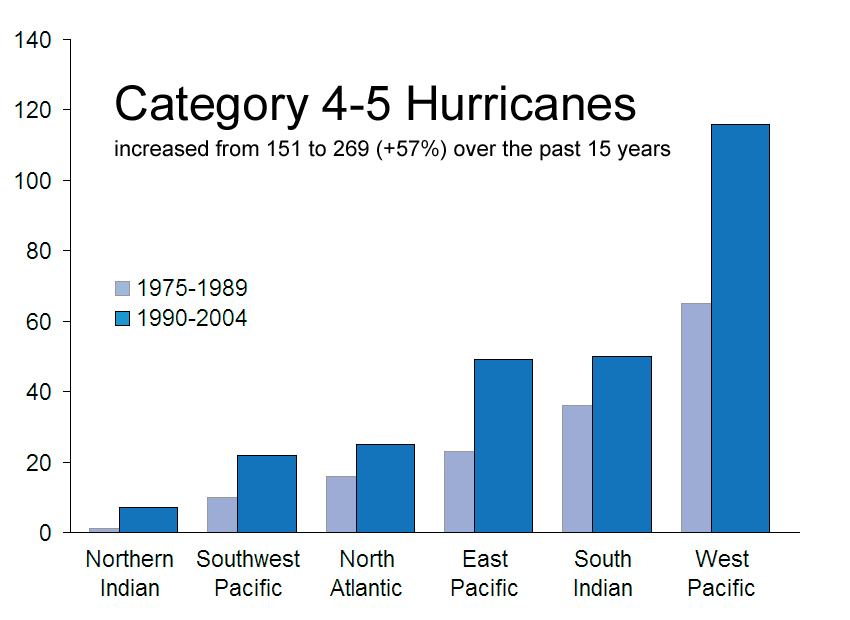
Predicting the future is tricky, especially when it comes to something as complex as hurricanes. However, scientists are constantly refining their models and improving their understanding of these storms. Climate change is a significant factor, and many models suggest that we may see fewer overall hurricanes, but the ones that do form could be more intense on average. That's something to think about!
So, what does all this mean? It means staying informed, being prepared, and taking climate change seriously. It means supporting scientific research and investing in resilient communities.
Look, the weather can be scary, but it's also incredibly fascinating. Even though the numbers might seem alarming sometimes, remember that we have smart people working hard to understand and predict these storms. We’re learning more every year, and that’s something to celebrate! Keep your chin up, stay informed, and maybe invest in some good storm shutters. You got this!
