Nuclear Fission And Nuclear Fusion Difference
Ever gazed up at the sun and felt its warmth on your skin? Or maybe you've flipped a light switch and never thought about where that electricity comes from? Chances are, you've indirectly benefited from some pretty incredible, albeit complex, processes happening at the atomic level: nuclear fission and nuclear fusion. These are the powerhouses of the universe, and understanding the difference between them is like unlocking a secret to understanding how the world, and indeed the stars, work!
So, what's the big deal? Well, both fission and fusion are nuclear reactions that release tremendous amounts of energy. Energy is vital for our modern lives. Think about it: electricity powers our homes, hospitals, and transportation systems. These processes, harnessed carefully, offer a pathway to generating that energy on a large scale, and potentially more sustainably than burning fossil fuels.
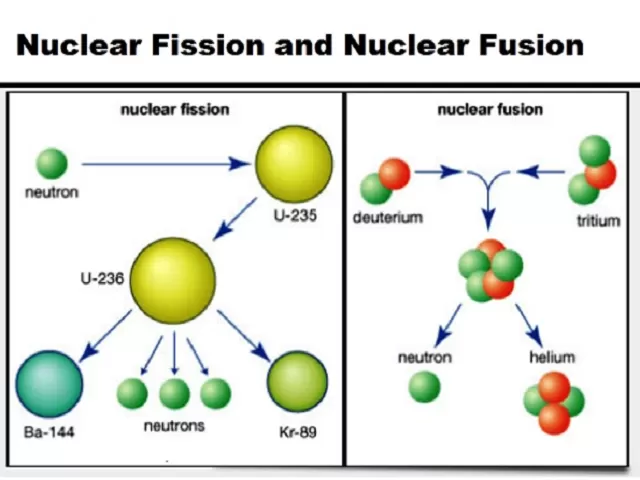
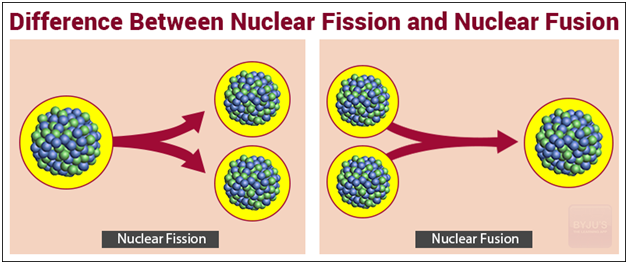
Let's break down fission first. Imagine taking a very large, unstable atom, like uranium, and bombarding it with a neutron. This causes the atom to split into two smaller atoms, releasing more neutrons and, crucially, a massive amount of energy. Those released neutrons can then go on to split other uranium atoms, creating a chain reaction. This is the principle behind nuclear power plants. Think of it like splitting a bowling ball with another, smaller ball – a lot of force is released in the process!
Must Read
Nuclear power plants are a prime example of fission in action. They provide a significant portion of the electricity in many countries. While controversial due to concerns about safety and nuclear waste, fission offers a low-carbon alternative to fossil fuels, making it a crucial component of the energy mix for some nations. Benefits include the significant power output from relatively small amounts of fuel.
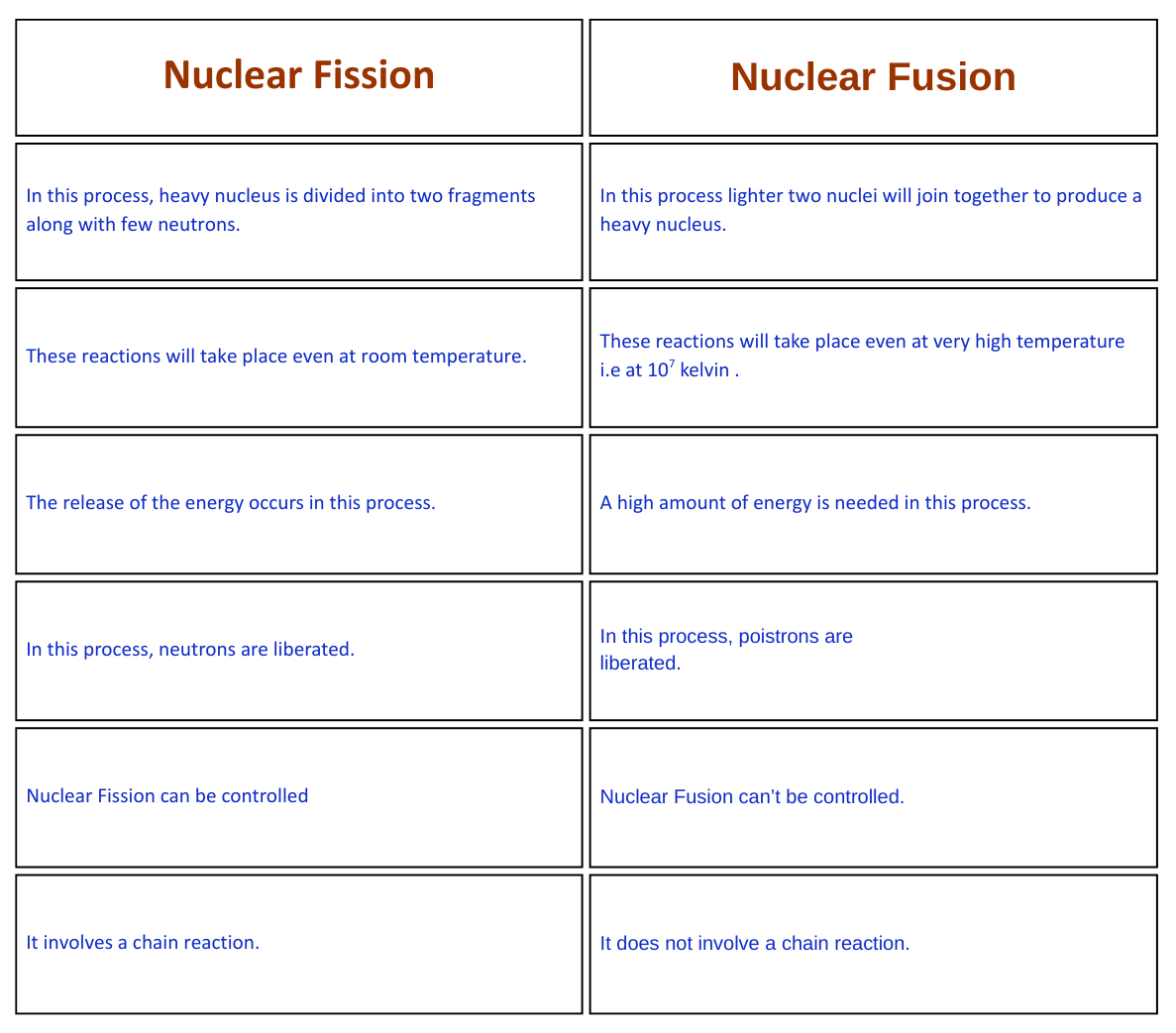
Now, let's dive into fusion. This is where things get even more exciting! Instead of splitting atoms, fusion involves forcing two small atoms, typically isotopes of hydrogen, to combine and form a heavier atom, like helium. This process, which is what powers the sun and all the stars, releases even more energy than fission. Imagine pushing two tiny balls together so hard they merge into a bigger one, releasing an enormous burst of energy in the process.
While fusion holds immense promise, it's incredibly challenging to achieve on Earth. It requires extremely high temperatures and pressures to overcome the natural repulsion between the positively charged nuclei. Scientists are working tirelessly to develop fusion reactors that can harness this energy, but it's still in the experimental stage. Successful fusion would provide a virtually limitless, clean energy source. The potential benefits are staggering.

So, how can you enjoy understanding fission and fusion more effectively? Start by exploring reliable sources online. Many universities and scientific organizations have excellent educational resources. Watch documentaries about nuclear energy and astrophysics. Think about the ethical implications of these technologies and engage in thoughtful discussions with others. Understand that both offer solutions to energy problems and have challenges that need consideration.
Ultimately, understanding the difference between nuclear fission and fusion is more than just a science lesson; it's about understanding the forces that shape our world and the potential for a cleaner, more sustainable future. From the lightbulb in your living room to the distant stars, these processes are constantly at work, and gaining a basic understanding of them can enrich your appreciation for the wonders of science and technology.