Nuclear Energy Why Is It Bad
Nuclear energy. For some, it's the sleek, futuristic promise of unlimited, clean power. For others, it's the looming specter of disaster. But before we delve into the tangled question of "Why Is It Bad?", let's acknowledge that for all its controversy, nuclear energy is an undeniable, powerful presence in our modern world, quietly working behind the scenes to keep our lights on and our devices charged. It's a colossal, often misunderstood force, yet profoundly impactful.
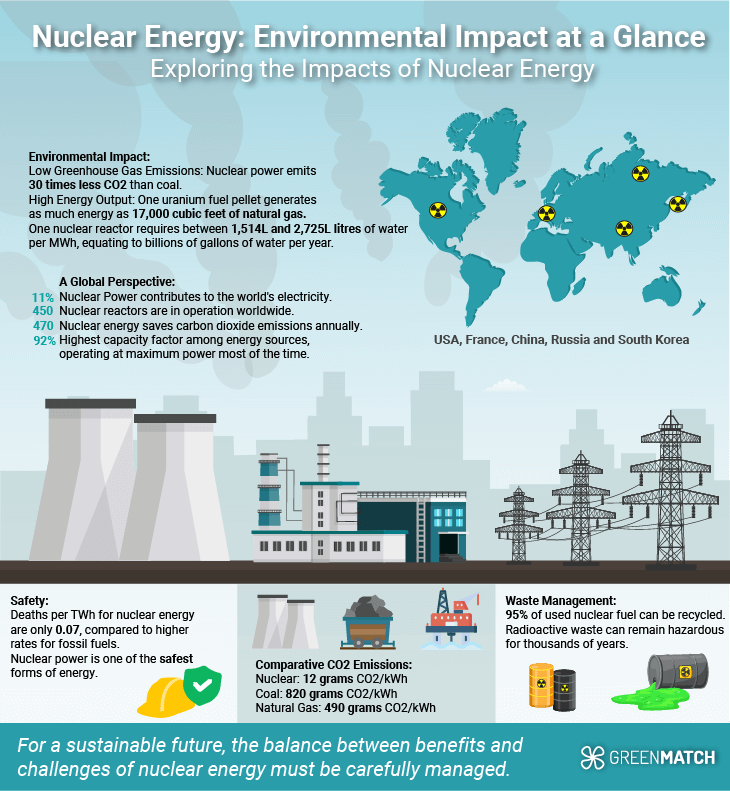
So, what exactly does this misunderstood giant do for us? At its core, nuclear energy is about generating electricity, and it does so with astounding efficiency. A single uranium fuel pellet, no bigger than your fingertip, can produce as much energy as a ton of coal! This incredible power source provides a significant chunk of the world's electricity, often operating 24/7 without interruption, unlike fickle solar or wind power. Crucially, it does this without emitting greenhouse gases, making it a powerful tool in the fight against climate change. Beyond powering our homes and factories, nuclear technology serves humanity in less obvious ways. Think of medical imaging, where radioactive isotopes are vital for diagnosing and treating illnesses, or food irradiation, which keeps our produce fresh and safe for longer. From sterilizing medical equipment to powering deep-space probes, nuclear's applications are surprisingly diverse and essential.
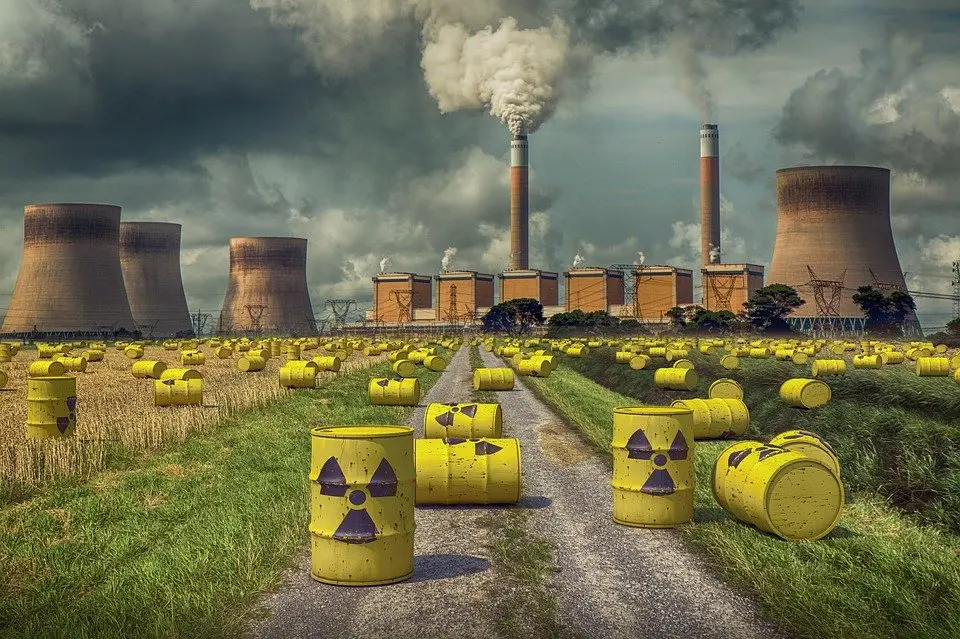
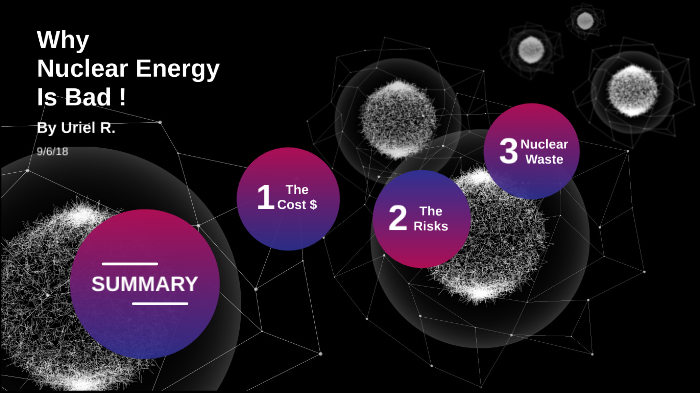
But of course, with great power comes… well, great responsibility, and often, great apprehension. This is where the "Why Is It Bad?" question really hits home for many. The very mention of nuclear energy often evokes images of catastrophic meltdowns like Chernobyl or Fukushima, forever etching the potential for disaster into our collective consciousness. There's the persistent challenge of safely storing highly radioactive waste for thousands of years, a burden we pass to future generations. And let's not forget the thorny issue of nuclear proliferation, where the technology for power can, in the wrong hands, lead to weapons. These are legitimate concerns that fuel public debate and caution, casting a long shadow over its impressive benefits.
Must Read
Given this complex picture, how can we "enjoy" or at least engage with nuclear energy more effectively? It’s not about throwing caution to the wind, but embracing informed understanding. First, educate yourself beyond the headlines, understanding the distinction between civilian nuclear power and nuclear weapons. Second, appreciate the evolution of reactor safety designs, which have come a long way since early models. Third, weigh nuclear's risks and benefits against other energy sources – fossil fuels have their own environmental tolls, after all. Finally, when discussing nuclear energy, strive for nuance and critical thinking. By understanding its profound impact – both its invaluable contributions and its daunting challenges – we can foster a more balanced, productive conversation about its role in our future energy landscape. It’s a powerful force, one we’re still learning to truly understand and master.