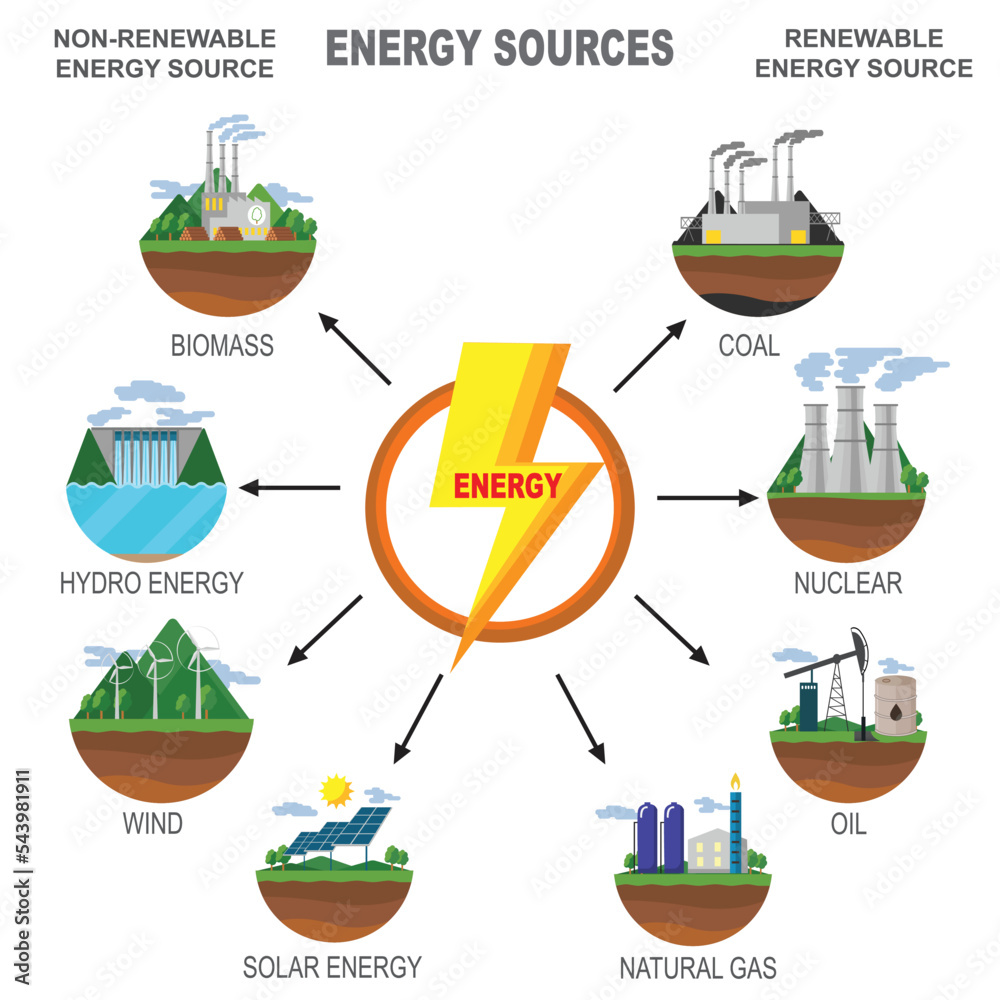
Nuclear Energy Renewable Or Nonrenewable Source
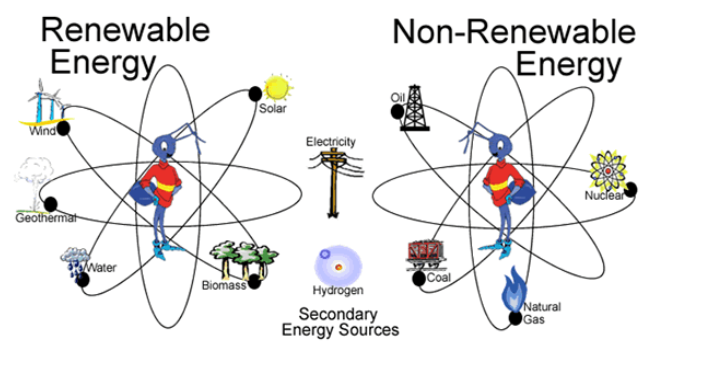
Alright, gather 'round, folks! Let's talk nuclear energy. Is it renewable? Non-renewable? The answer, my friends, is… it's complicated! Think of it like that relationship status you had in college.
See, technically, nuclear energy itself isn't a source of energy in the same way the sun or wind is. It's more like a super-efficient energy middleman. It takes the energy locked inside the nucleus of an atom and releases it in a controlled (hopefully!) way. So, the real question becomes: what’s the fuel it uses?
The Fuel: Uranium and Friends
The most common fuel used in nuclear power plants is Uranium-235. Now, uranium is a naturally occurring element found in the Earth’s crust. Think of it like the world’s most boring, radioactive buried treasure. Finding it doesn’t involve pirates, though. More like geologists with Geiger counters. Imagine the movie "National Treasure" but instead of the Declaration of Independence it's just...rocks.
Must Read
And here's the kicker: Uranium-235 is finite. That means there's a limited amount of it on Earth. We can't just grow more uranium trees (sadly, those aren't a thing. Yet.). So, based on that alone, we could say it's a non-renewable resource. Case closed! Right?
Not so fast, my friends! This is where things get interesting, like trying to assemble IKEA furniture without the instructions.
The Plot Thickens: Breeder Reactors and Thorium
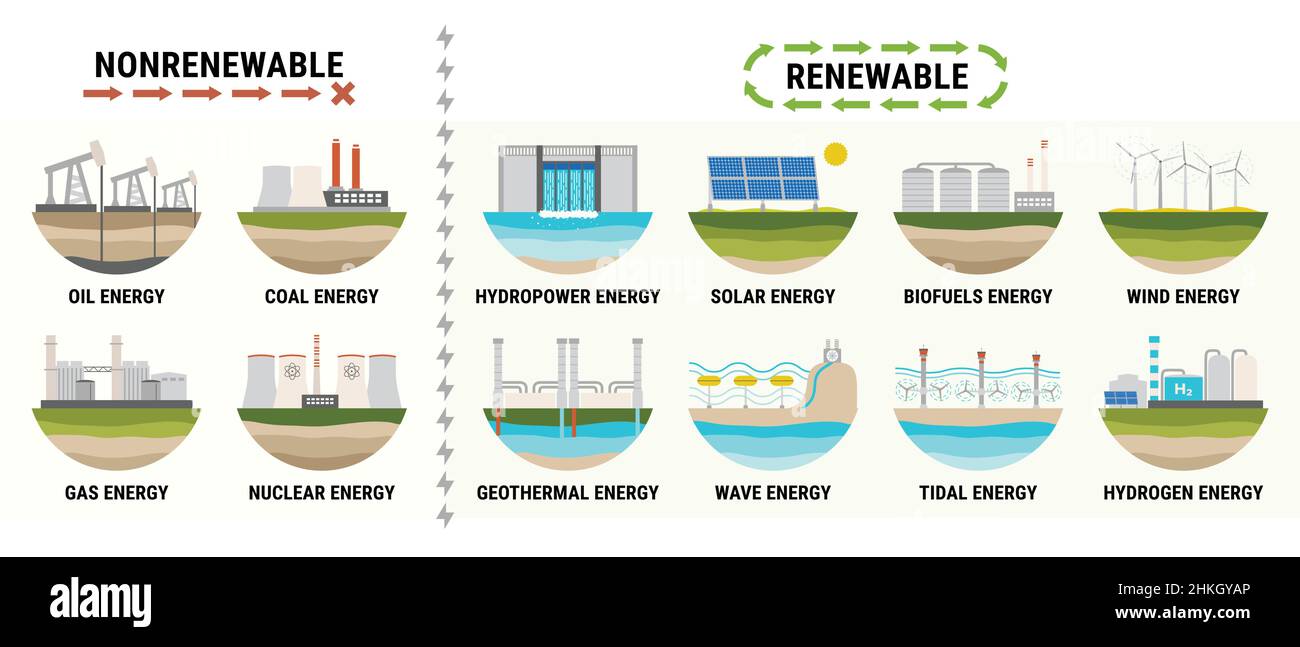
Here's a mind-bender: there are things called breeder reactors. What do they breed? Not puppies or kittens (though that would be amazing). They breed more fuel! These reactors can convert non-fissile isotopes (like Uranium-238, which is much more abundant than U-235) into fissile ones (like Plutonium-239), which can then be used as fuel. It's like turning lead into gold...but radioactive! Suddenly, that limited supply of Uranium-235 seems less scary.
Then there's Thorium. Oh, Thorium, you beautiful, abundant element! Thorium is even more plentiful than uranium, and it can also be used to fuel nuclear reactors. Using Thorium has other potential advantages, too, like producing less long-lived radioactive waste. So, if we start using breeder reactors or Thorium reactors extensively, the “non-renewable” label gets a little fuzzy. It’s like saying your socks are non-renewable just because you haven’t discovered the washing machine yet.
So, What's the Verdict?
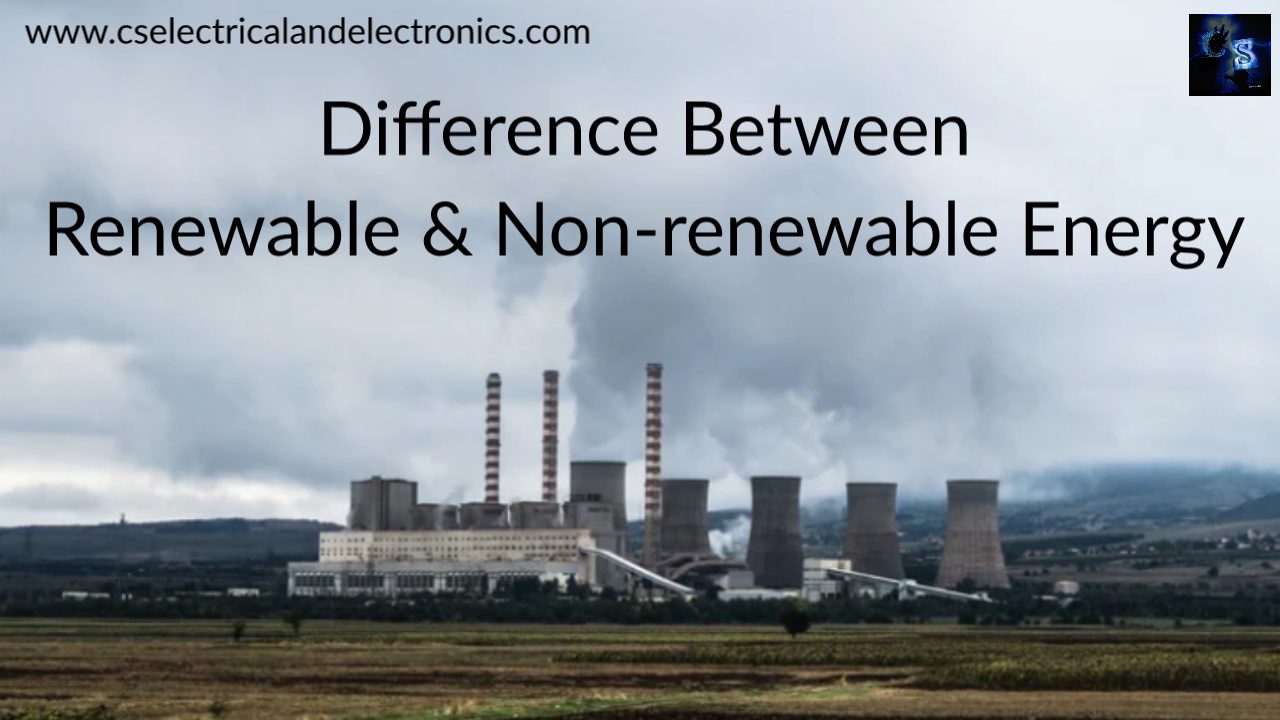
Okay, let's recap. Uranium-235, the most common fuel, is finite, making nuclear energy technically non-renewable. However, technologies like breeder reactors and the potential use of Thorium could significantly extend the lifespan of nuclear fuel resources, making it almost renewable…or at least, renewable-ish.
It's a bit like asking if a car is sustainable. Sure, gasoline (the fuel) is a non-renewable resource, but if you switch to an electric car powered by renewable energy, does the car magically become renewable? No, but the overall system becomes much more sustainable.

Ultimately, whether we consider nuclear energy renewable or non-renewable depends on how we use it and what fuel cycle we're talking about. It’s a nuanced answer, not a simple “yes” or “no.”
One thing’s for sure, though: nuclear energy plays a significant role in our energy future, especially if we’re serious about reducing carbon emissions. It's like that quirky uncle at Thanksgiving dinner. He's a bit controversial, but he always brings the interesting stories (and the pecan pie!).
And who knows, maybe one day we'll even figure out how to safely harness the power of fusion, which uses isotopes of hydrogen – essentially creating tiny suns on Earth! Now that would be a game-changer, and definitely renewable… until the sun burns out, that is. But we’ve got a few billion years before we need to worry about that. So, grab another coffee, and let’s debate the merits of fusion power… I’ve got some even more complicated analogies for that one!