Nuclear Energy Renewable Or Nonrenewable Resource
Okay, folks, buckle up! We're diving headfirst into a debate hotter than a freshly microwaved burrito: Is nuclear energy a renewable or nonrenewable resource? Get ready for some science-y stuff, but don't worry, we'll keep it lighter than a helium balloon at a birthday party.
The Contenders: Renewable vs. Nonrenewable
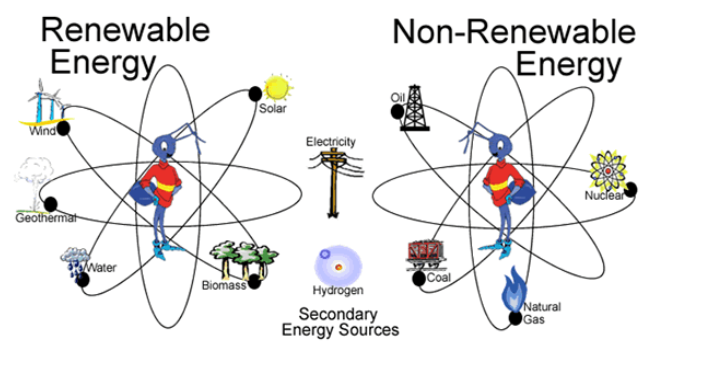
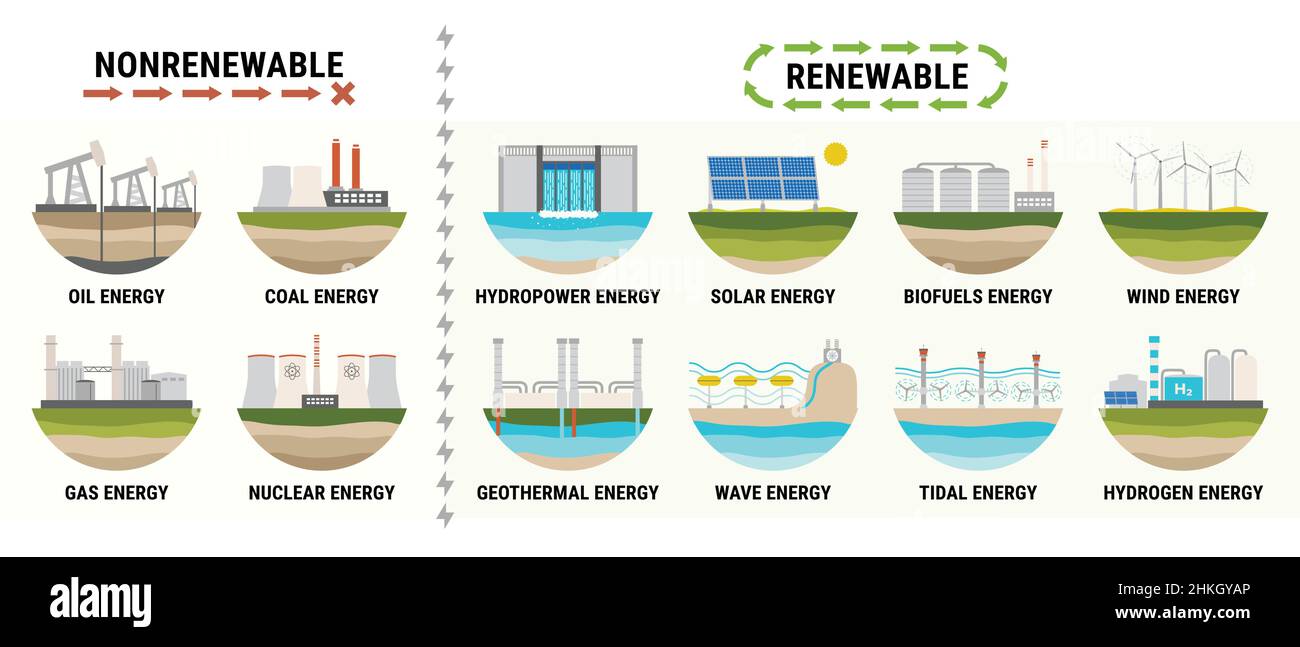
First, a quick refresher. Renewable resources are like that amazing pizza place down the street – they keep churning out deliciousness (energy!) without running out. Think sunshine (solar), wind (wind power), and water (hydroelectric). They're constantly being replenished by nature.
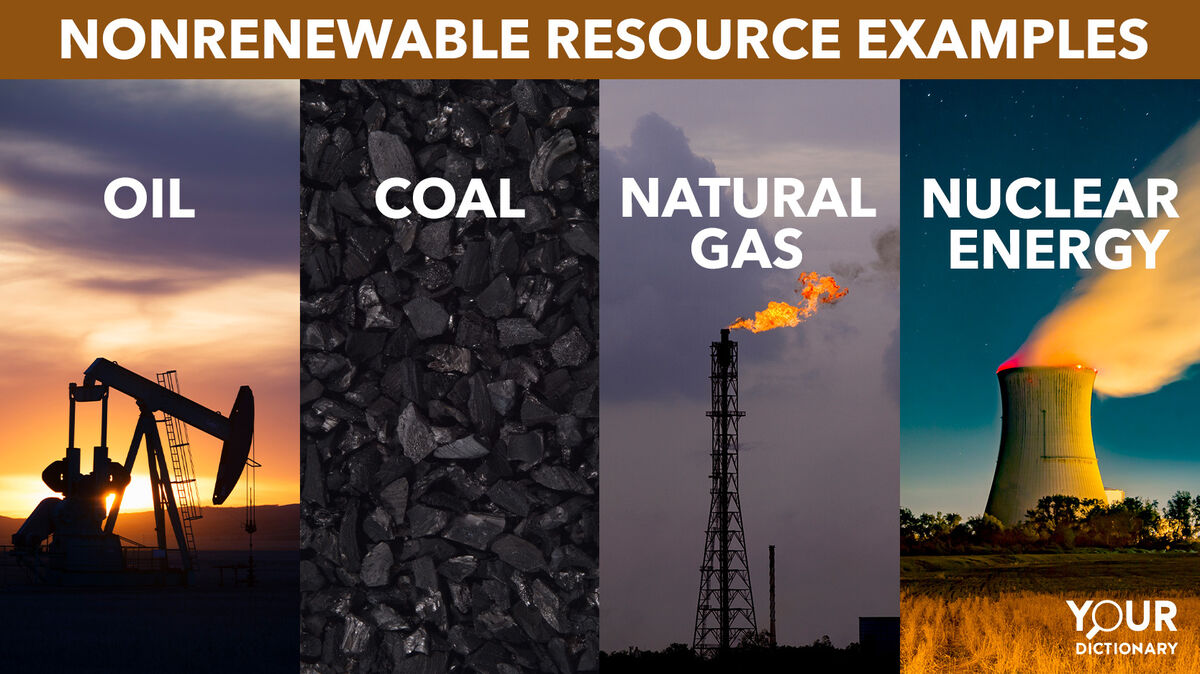
Nonrenewable resources, on the other hand, are more like that limited-edition, super-rare chocolate bar your grandma gave you – once they're gone, they're gone (at least on a human timescale!). We're talking about fossil fuels like coal, oil, and natural gas. We dig 'em up, burn 'em, and...poof! Finite supply.
Must Read
So, Where Does Nuclear Fit In?
This is where things get interesting. Nuclear energy uses uranium, a naturally occurring element, to create energy through a process called nuclear fission. Imagine splitting a giant atom like you're cracking open a cosmic piñata, releasing a TON of energy in the process! (Please don't actually try this at home.)
Now, uranium is found in the Earth, but it's not like sunshine that keeps on shining every day. It's a finite resource. We dig it out of the ground, process it, and use it in nuclear reactors. This seems like it puts it squarely in the "nonrenewable" category, right?
Well, hold your horses! It's not quite that simple. (Isn't science always like that? Just when you think you've got it figured out, BAM! Nuance.)
The "Wait, There's More!" Factor: Breeder Reactors
Here's the twist. There's something called a breeder reactor. Imagine a nuclear reactor that's not just using uranium, but also making more nuclear fuel! It's like a magical energy factory. These reactors can convert non-fissile isotopes (like uranium-238, which is much more abundant than the fissile uranium-235) into fissile isotopes, effectively creating more fuel than they consume. It's like turning lead into gold, but with less alchemy and more controlled nuclear reactions. (Again, please don't try this at home.)
Think of it like this: You have a bag of chips. Normally, you eat the chips, and they're gone. But with a breeder reactor, you eat the chips, and somehow the bag refills itself with even more chips! It's chip magic! (Okay, not really magic, but pretty darn clever engineering.)
"The potential of breeder reactors to extend the lifespan of nuclear fuel resources is significant, potentially making nuclear energy a much more sustainable option." - Some Very Smart Scientist (Probably)
So, What's the Verdict?
The jury's still out, and the debate rages on! Technically, using current light water reactors (the most common type), nuclear energy relies on a finite resource (uranium-235). So, by the strictest definition, it's nonrenewable.

However, with advanced technologies like breeder reactors, we could potentially stretch our uranium supplies for centuries, maybe even millennia! Some argue that this extended timeframe blurs the line between renewable and nonrenewable, placing nuclear energy in a sort of "gray area." Think of it as the resource that's pretending to be renewable.
Ultimately, the classification depends on how you define "renewable" and how quickly we develop and deploy advanced reactor technologies. Regardless, nuclear energy offers a significant source of low-carbon energy, which is pretty darn important in today's world.
So, the next time someone asks you if nuclear energy is renewable or nonrenewable, you can confidently say, "Well, it's complicated! But it's also pretty cool!" And then dazzle them with your newfound knowledge of breeder reactors and cosmic piñatas. You'll be the life of the party, guaranteed!