
Nuclear Energy Is A Renewable Or Nonrenewable
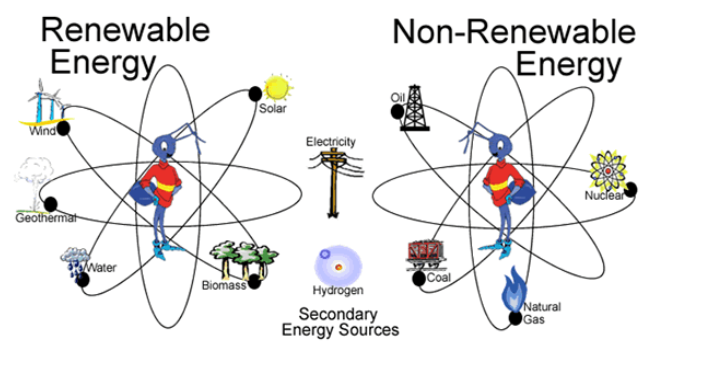
Hey there! So, we're diving into a slightly radioactive topic today, pun intended. Let's talk nuclear energy – is it renewable? Nonrenewable? It's a real head-scratcher, isn't it? Like trying to understand why cats hate water...or do they?
The short answer? It's complicated. Aren't most interesting things, though? Think about it: deciding what to eat for dinner. Seriously, sometimes I wish someone would just tell me!
The Nonrenewable Argument
Okay, so here's the main beef with calling nuclear energy renewable: it relies on uranium. Uranium is a naturally occurring element mined from the Earth. And guess what? The Earth doesn't magically poof more uranium into existence overnight (as much as we might wish it would!). It takes, like, millions of years to form. So, finite supply = nonrenewable resource. Seems pretty straightforward, right?
Must Read
Think of it like your favorite coffee. You can only brew so many cups before you run out of beans. And trust me, running out of coffee is a crisis situation.
But wait! There's a plot twist!
The Renewable-ish Counterpoint
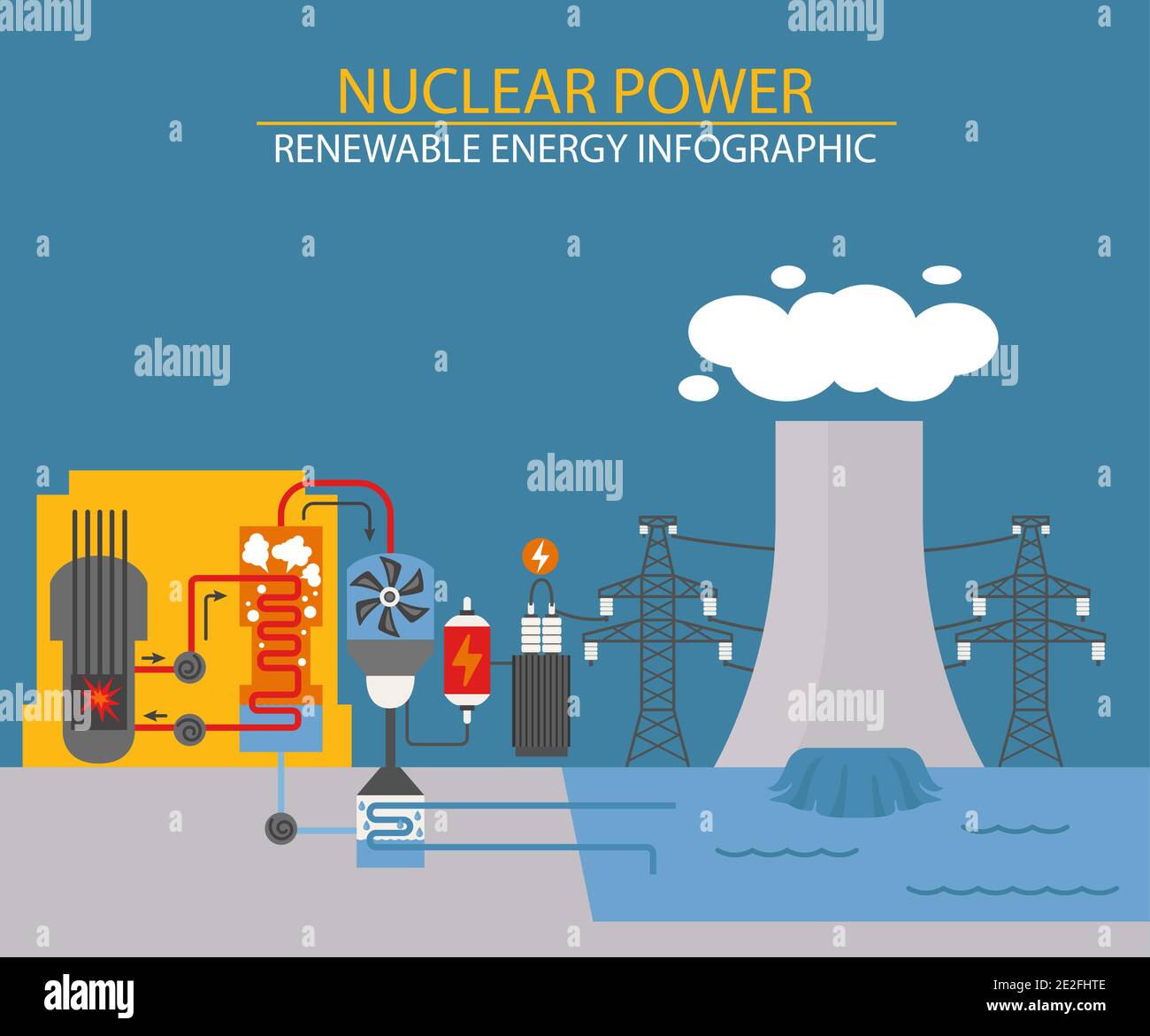
Now, hold on a second. Some people argue that nuclear energy could be considered "renewable" under certain circumstances. How, you ask? Well, it involves something called breeder reactors and nuclear fusion. Sounds like science fiction, I know!
Breeder reactors, currently not widely used, can actually create more nuclear fuel (plutonium) than they consume. Yeah, I know, mind-blowing! So, theoretically, with breeder reactors, we could significantly extend the lifespan of our uranium resources. It’s like planting more coffee trees while you're brewing your morning cup!
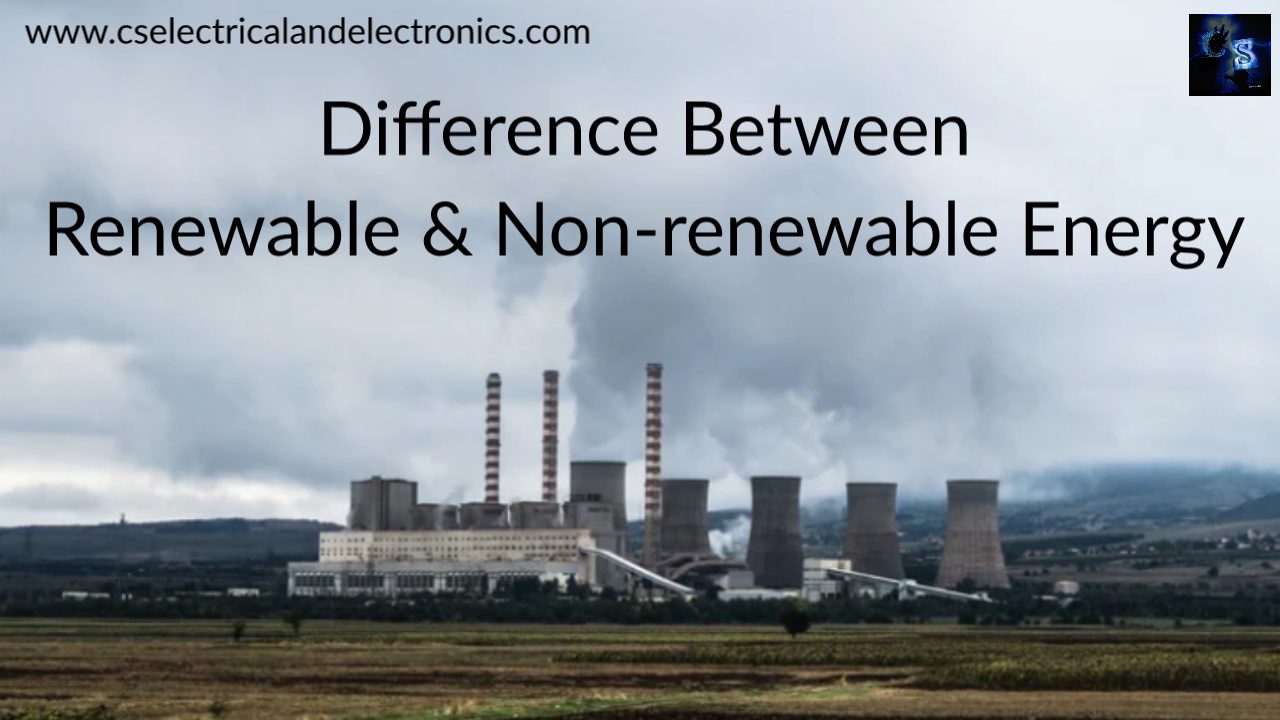
And then there’s the even more futuristic (and currently elusive) nuclear fusion. This is what powers the sun! Fusion uses isotopes of hydrogen, specifically deuterium and tritium, which are far more abundant than uranium. Deuterium can be extracted from seawater. Seawater! That's practically unlimited, right? Imagine endless energy from the ocean – no more fossil fuels! That's the dream, anyway.
But (and there’s always a “but,” isn’t there?), fusion power is still largely experimental. We're talking decades, possibly even longer, before it becomes a viable energy source. So, don’t hold your breath… unless you're practicing for a deep-sea adventure.
So, Where Does That Leave Us?
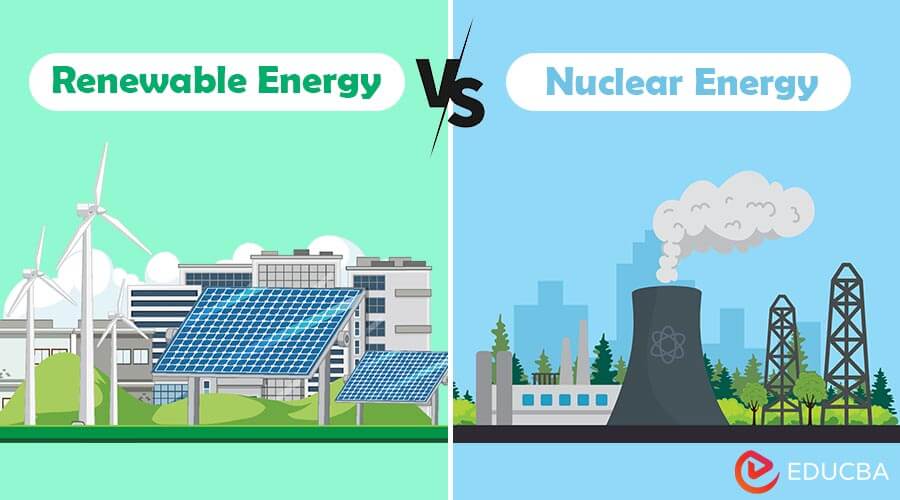
Honestly? In a gray area. Most people (and official organizations) currently classify nuclear energy as nonrenewable because of its reliance on uranium and the limited use of breeder reactors. But the potential for future technologies like advanced breeder reactors and, eventually, fusion power plants adds a layer of complexity.
It’s like… is a tomato a fruit or a vegetable? Botanically, it’s a fruit! But culinarily, it’s often treated like a vegetable. Same thing here. It depends on how you look at it!

What's really important is that we continue to research and develop both renewable and nonrenewable energy sources. We need a diverse energy portfolio to meet our growing global energy demands and reduce our reliance on fossil fuels. After all, a sustainable future is worth fighting for, right?
Plus, less pollution is always a win. Who wants to live in a smog-filled dystopia? I certainly don't!
So, there you have it. A (hopefully) not-too-confusing explanation of whether nuclear energy is renewable or nonrenewable. Now, if you'll excuse me, I'm going to go ponder the mysteries of the universe… and maybe brew another cup of coffee.