
Northrop Grumman Laser Metal Deposition Techniques

Ever wondered how they fix super-expensive airplane parts? Or maybe even build completely new ones from scratch? Well, get ready, because we're diving into a world of lasers, metal powder, and seriously cool engineering!
Think Northrop Grumman and their secret sauce: Laser Metal Deposition (LMD). It sounds like something straight out of a sci-fi movie, right?
The Magic of Metal Printing
Forget your average inkjet printer. This is like that, but instead of ink, it uses metal powder. And instead of paper, it builds things!
Must Read
Imagine a tiny nozzle spraying metal powder. Then, a powerful laser zaps it. Poof! The powder melts and fuses together. Layer by layer, it builds up a solid, three-dimensional object.
It's like watching a sculptor, but instead of clay, they're using lasers and metal. Pretty awesome, huh?
Fixing the Unfixable
Old airplanes and jets take a beating. Parts wear down and break. Replacing them can be a nightmare.
That's where LMD shines. Instead of scrapping the whole thing, they can use this laser magic to repair the damaged area.
It's like giving metal a second chance at life. Talk about recycling!
Think about a turbine blade with a tiny crack. Normally, it's trash. But with LMD, they can precisely rebuild that tiny section.
The laser melts metal right onto the damaged spot. It fills the crack and makes it stronger than before.
Building from Scratch
Repairing is cool, but building new parts? That's next-level awesome.
Northrop Grumman can create incredibly complex shapes. Shapes that are impossible to make with traditional methods.
They can design a part on a computer. Then, the LMD system builds it directly from the digital file.
It's like 3D printing, but with metal and lasers. The possibilities are endless.
Imagine building lighter, stronger airplane parts. Parts that are perfectly optimized for their specific job.
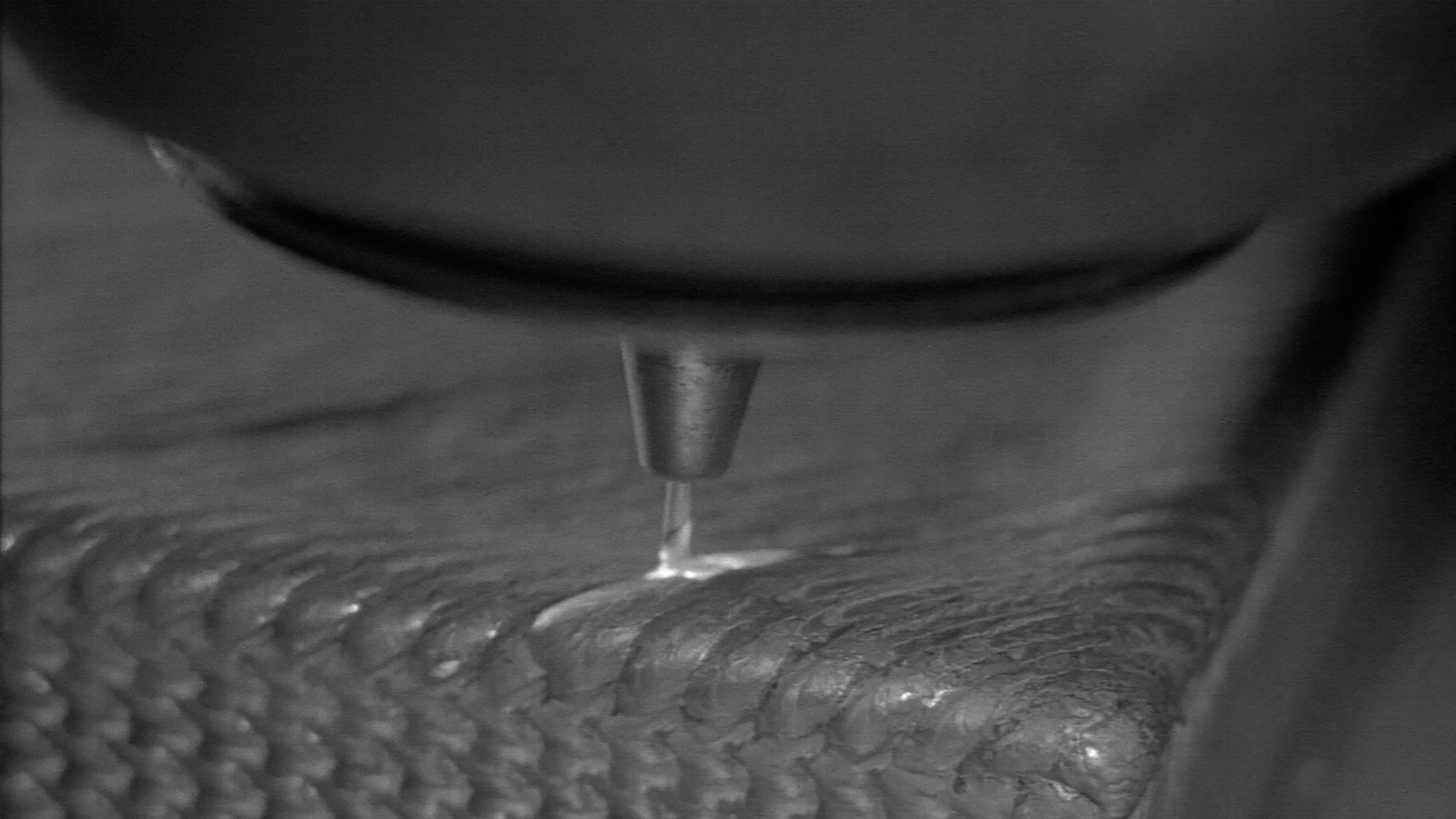
LMD allows for designs that were once only dreams. It's a game-changer for aerospace engineering.
Why is it so special?
LMD isn't just a fancy toy. It has some serious advantages.
It's incredibly precise. The laser can focus on a tiny area, melting only the metal that's needed.
This means less wasted material. And less waste means lower costs and a greener footprint.
It's also fast. Compared to traditional manufacturing, LMD can produce parts much quicker.
This speeds up the whole process. From design to finished product, it's a much shorter timeline.
Plus, it can use a wide variety of metals. From titanium to nickel alloys, the options are vast.
This allows engineers to choose the perfect material for the job. Ensuring the part is strong, durable, and reliable.
And get this – they can even mix different metals together! Creating custom alloys with unique properties.
The Future is Here
Northrop Grumman's LMD technology is pushing boundaries. It's changing the way things are made.
It's not just for aerospace. It has potential applications in medicine, automotive, and many other industries.
Imagine custom-made implants for patients. Or stronger, lighter car parts.
The possibilities are truly mind-blowing. LMD is revolutionizing manufacturing.

So, the next time you see an airplane soaring through the sky, remember the magic of lasers and metal powder.
Think about the incredible engineering that went into building it. And the innovative techniques that make it all possible.
Laser Metal Deposition: It's not just technology, it's art. It's the future of manufacturing, and it's incredibly exciting to watch unfold!
Who knows, maybe you'll be the one designing the next generation of laser metal deposition systems.
Or perhaps you'll be creating amazing new products using this revolutionary technology!
A Closer Look at the Process
Let's break down the process a little more. It's surprisingly simple, yet incredibly sophisticated.
First, a 3D model of the part is created. This is done using computer-aided design (CAD) software.
This digital model is then fed into the LMD system. Think of it as the blueprint for the laser to follow.
The system then uses a laser to melt metal powder. This powder is precisely deposited onto a substrate.
The substrate is the base material onto which the part is being built. It could be an existing component or a specially prepared platform.
As the laser moves, it creates a molten pool of metal. This pool solidifies almost instantly.
Layer by layer, the part is built up. The laser precisely follows the contours of the 3D model.
Once the part is complete, it's removed from the system. It may then undergo further processing, such as machining or heat treatment.
The result is a finished part that is strong, durable, and precisely engineered.
The Role of Robots
You might be wondering, how does the laser move so precisely? The answer is robots!
Robotic arms are used to control the laser head. These robots are incredibly accurate.
They can move the laser head in multiple directions. Allowing for complex geometries to be created.
The robots work in perfect synchronization. Ensuring that the laser is always in the right place at the right time.
It's like watching a perfectly choreographed dance. Except, instead of dancers, it's robots and lasers!
The Materials Matter
The choice of metal powder is critical. It determines the properties of the finished part.
Different metals have different strengths and weaknesses. Engineers carefully select the right metal for the application.
Titanium is often used for aerospace applications. It's strong, lightweight, and resistant to corrosion.
Nickel alloys are used in high-temperature environments. They can withstand extreme heat and pressure.
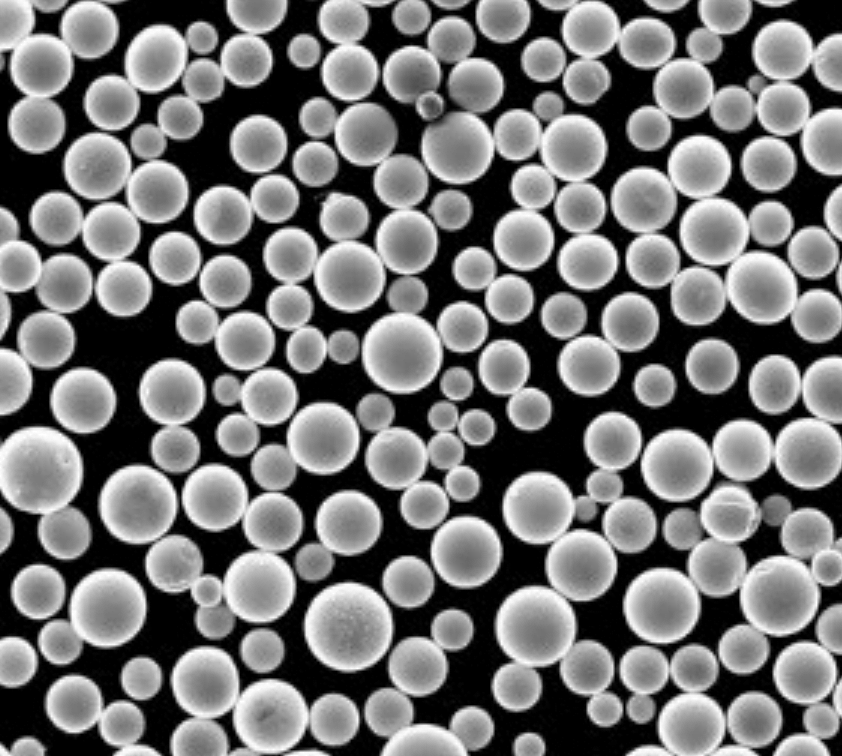
The powder particles themselves are also carefully controlled. Their size and shape affect the final product.
Fine powders create smoother surfaces. While coarser powders can be used for faster build rates.
Challenges and Innovations
LMD is an amazing technology, but it's not without its challenges.
One challenge is controlling the temperature. The laser can generate a lot of heat.
Too much heat can cause warping or distortion. Careful temperature control is essential.
Another challenge is ensuring the quality of the finished part. Porosity, or tiny air bubbles, can weaken the metal.
Researchers are constantly working to improve the process. Developing new techniques to minimize porosity and improve quality.
Innovations in laser technology are also driving progress. More powerful and precise lasers are enabling new applications.
And advancements in computer software are making it easier to design and control the LMD process.
The Future of LMD
So, what does the future hold for Laser Metal Deposition?
We can expect to see even more widespread adoption of the technology. As costs come down and capabilities improve.
LMD will likely play an increasingly important role in manufacturing. Enabling the creation of complex, customized parts.
We may even see LMD systems being used in space. Repairing satellites and building new structures on the moon or Mars.
The possibilities are truly limitless. Northrop Grumman and other companies are leading the way.
They are pushing the boundaries of what's possible with lasers and metal. And they are shaping the future of manufacturing.
So, keep an eye on this exciting technology. It's changing the world, one layer of metal at a time.