
Normally You Should Add Water To A Battery Only
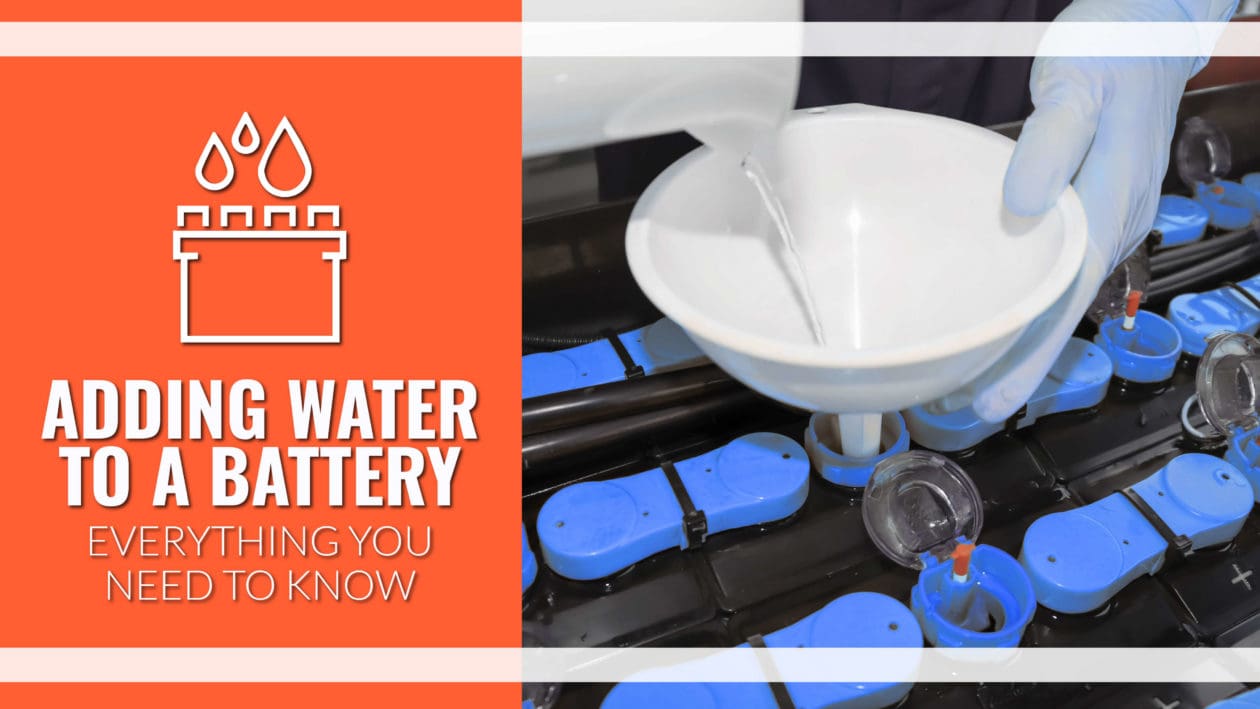
Okay, let's talk batteries. But not in a boring, technical-manual kinda way. We're talking about keeping things running smoothly, powering your adventures, and, most importantly, avoiding that dreaded moment when your car won't start. Sound good? Good! Because today we're focusing on one simple, yet crucial, aspect of battery care: adding water. Or rather, the right kind of water, and when you actually need to do it.
Now, before you grab the garden hose (please don't!), let's clarify something crucial: this applies to flooded lead-acid batteries. These are the kind you typically find in cars, trucks, and some other vehicles. They have caps on top, allowing you to access the individual cells inside. If your battery is sealed, maintenance-free, or AGM (Absorbent Glass Mat), this doesn't apply! Those are designed to be, well, maintenance-free. Trying to pry them open will likely result in a mess and a voided warranty. You’ve been warned!
Why Water, Though?
Excellent question! Inside a lead-acid battery, a chemical reaction occurs to produce electricity. This reaction involves a solution of sulfuric acid and water. Over time, especially in hot climates, some of the water evaporates. This lowers the electrolyte level, exposing the lead plates inside. And exposed plates? That's a recipe for reduced battery life and potentially even damage.
Must Read
Think of it like this: imagine a plant wilting because it hasn't been watered. The battery's "plates" are like the plant's roots, and the electrolyte is the water that keeps them healthy and functioning. If the water dries up, things start to suffer.
The Distilled Difference
Now, here's where things get important. You can't just use any old water. Tap water contains minerals and impurities that can react with the battery components and shorten its lifespan. You absolutely need to use distilled water. This is water that has been boiled and the steam collected, leaving behind those unwanted contaminants. You can find it at any grocery store or pharmacy, and it's relatively inexpensive.

Trust me, this small investment in distilled water is worth it. It's like giving your battery a spa day, ensuring it stays healthy and performs at its best. You wouldn’t wash your face with just any water, would you? Okay, maybe you would, but your battery definitely prefers the spa treatment.
How to Top It Off (Safely!)
Okay, you've got your distilled water. Now what? First, safety first! Wear eye protection (goggles are perfect) and gloves. Battery acid can be nasty stuff, and you don't want it splashing on you. Disconnect the battery from the vehicle, typically by removing the negative (black) terminal first. Consult your vehicle’s manual. Then, clean the top of the battery with a mixture of baking soda and water. This neutralizes any acid residue.
Next, carefully remove the caps from the cells. You might need a screwdriver to pry them open. Use a flashlight to peek inside each cell. You should see the electrolyte solution covering the plates. If the plates are exposed, carefully add distilled water until the solution reaches the bottom of the fill well. Don't overfill! Overfilling can also cause issues.
Once you've topped off all the cells, replace the caps securely. Reconnect the battery (positive terminal first!), and you're good to go! Just remember to clean the terminals well before reconnecting. A wire brush works wonders.
When to Check?
How often should you check the water level? It depends on your climate and how often you use your vehicle. In hot climates, you'll likely need to check more frequently, perhaps every few months. In cooler climates, you can probably get away with checking every six months or so. A quick visual inspection is all it takes. Set a reminder on your phone – future you will thank you!

Pro tip: while you're at it, check the battery terminals for corrosion. Clean them with a wire brush and apply a corrosion-resistant grease. This will ensure a good connection and prevent future problems.
Beyond the Water: The Bigger Battery Picture
Adding water is just one aspect of battery care. You should also make sure your charging system is working properly. A faulty alternator can overcharge the battery, leading to premature failure. Have your charging system checked periodically by a qualified mechanic. Battery load testing will also indicate whether a battery is healthy or needs replacing.

Taking care of your battery is like taking care of your car in general, if you stay on top of the simple maintenence, you extend the life of a costly part. Save money, and save time with simple preventative care!
So, there you have it! Maintaining your lead-acid battery is actually pretty straightforward. By understanding the importance of water (distilled water, that is!) and following a few simple steps, you can extend the life of your battery, avoid unexpected breakdowns, and keep your vehicle running smoothly. And who knows, maybe you'll even impress your friends with your newfound battery expertise! Now go forth and conquer those roads, armed with the knowledge (and distilled water) to keep your battery happy and healthy!
Feeling inspired to learn more about car care? There are tons of resources available online, from YouTube videos to detailed articles. Don't be afraid to dive in and expand your knowledge! You might just discover a hidden passion for automotive maintenance. After all, understanding how your car works is empowering, and it can save you a lot of money (and headaches) in the long run.